



When it comes to creating a top-notch workout experience for your gym members, the quality of your sound and lighting systems is crucial. Poor sound quality can make it difficult for members to hear instructions, while poor lighting can make the gym feel uninviting and uninspiring.
One of the best ways to ensure that your fitness centre's sound and lighting systems are up to par is by working with a professional company that specialises in gym sound and lighting systems. Here are just a few of the advantages of using a professional company for your gym's sound and lighting needs:

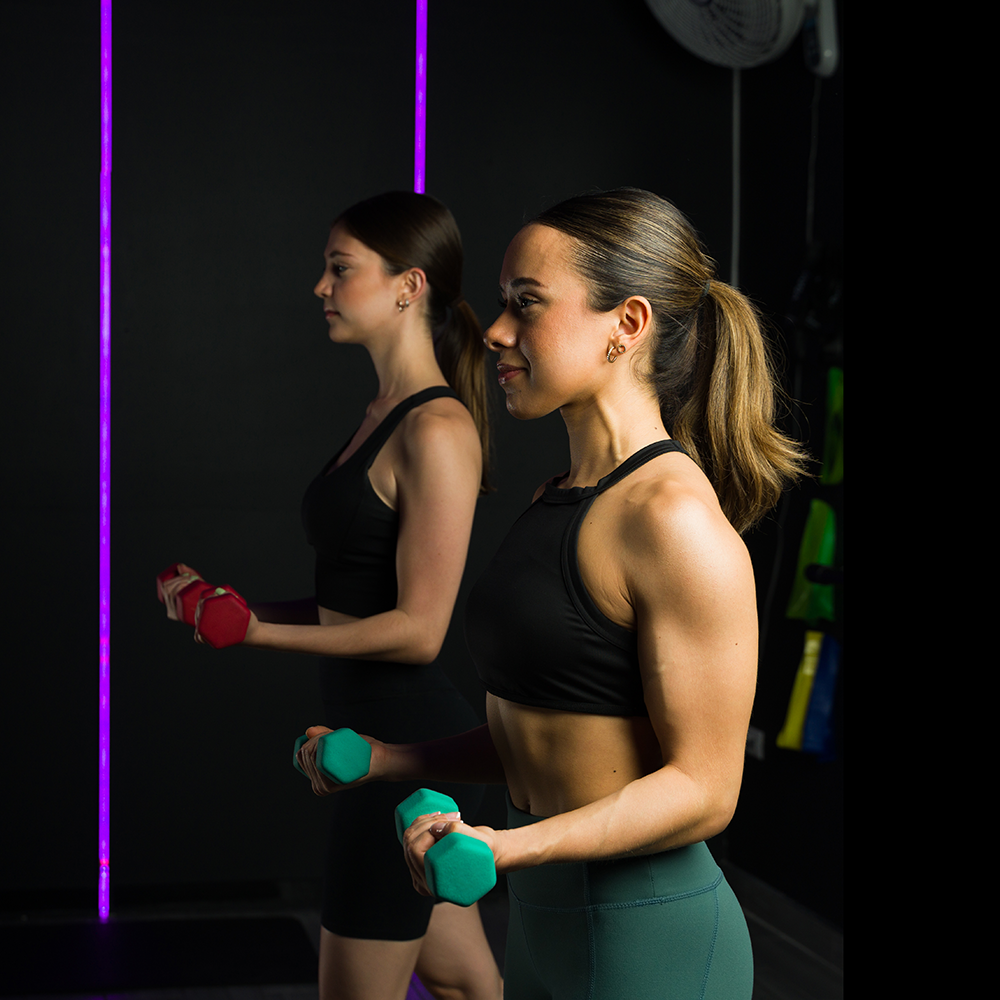
High-Intensity Interval Training (HIIT) has gained immense popularity in the fitness world for its effectiveness in maximising workout results in minimal time. To take HIIT workouts to the next level, fitness enthusiasts and professionals are increasingly recognising the impact of sound and lighting in creating an immersive and motivating workout environment.
In this Fitness Audio guide, we will explore the vital role of sound and lighting in HIIT workouts. Join us as we delve into the science behind their influence, the benefits they offer, and how they can elevate your fitness experience to new heights.


Keeping your sound equipment in working order is crucial for ensuring a high-quality audio experience for your members. Regular maintenance and troubleshooting can help prevent problems and prolong the lifespan of your sound equipment.
Read on for Fitness Audio’s top 7 tips for maintaining and troubleshooting gym sound equipment.
1. Regular cleaning:
Dust and debris can accumulate in your sound equipment over time, causing problems with sound quality and equipment failure. Regularly cleaning your equipment, including speakers, amplifiers, and microphones, can help prevent these issues.
2. Check connections:
Loose connections can cause problems with sound quality and equipment failure. Make sure to check all connections, including cables and power supplies, on a regular basis to ensure that they are secure.
3. Update software:
Many modern sound systems have software that can be updated to ensure that they are running at their best. Make sure to check for software updates on a regular basis and install them as needed.
4. Keep an eye on temperature:
Heat can cause damage to sound equipment over time. Make sure to keep your equipment in a cool, dry place, and avoid exposing it to direct sunlight or other sources of heat.
5. Backup important settings:
Keep a backup of important settings and configuration information for your sound equipment, so that you can quickly restore them if something goes wrong.
6. Check for power issues:
Make sure that your equipment is getting the correct voltage and power to run properly. This can help prevent equipment failure and prolong the life of your sound equipment.
7. Have a troubleshooting guide:
A troubleshooting guide can be helpful if you encounter any issues with your sound equipment. It should include common problems and their solutions, as well as contact information for the manufacturer or a Fitness Audio Technician.
At Fitness Audio, we specialise in gym sound equipment. Our team of Audio Experts can help you keep your equipment in working order, and can provide troubleshooting and repair services as needed.
Call Fitness Audio today for more information!

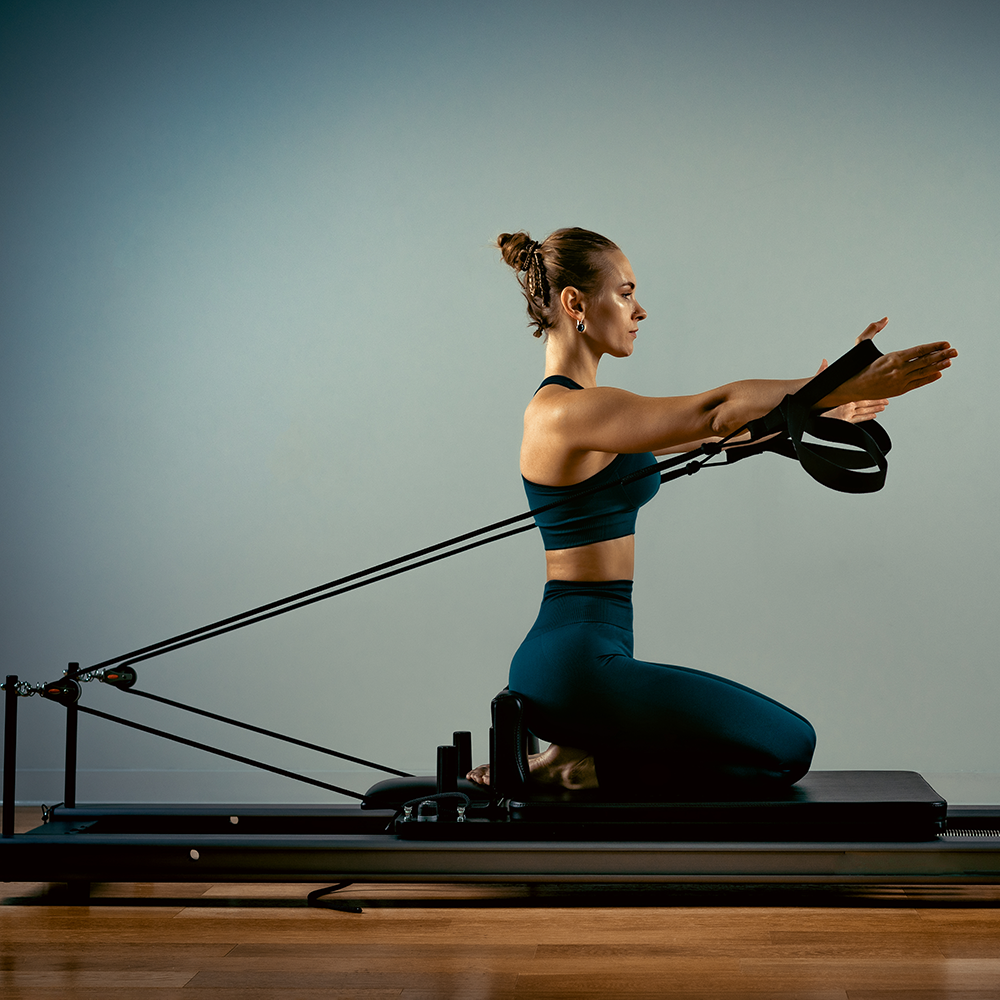
Pilates classes offer a unique blend of strength, flexibility, and mind-body connection, providing a rejuvenating and transformative experience for participants. To create an unforgettable Pilates class that engages and inspires your clients, it's essential to have the right equipment in place. At Fitness Audio, we understand the key elements necessary for a remarkable Pilates session. In this article, we will explore the top three things you need to create an unforgettable Pilates class and how Fitness Audio's specialised equipment can elevate your sessions to new heights.
Superior Sound Systems
In a Pilates class, creating a serene and calming atmosphere is crucial to promote focus and relaxation. Fitness Audio's superior sound systems provide pristine audio quality, delivering soothing music and Instructor guidance with exceptional clarity. With strategically positioned speakers, the gentle melodies and Instructor cues permeate the room, creating an immersive environment that enhances the mind-body connection. Fitness Audio's sound systems allow every participant to fully immerse themselves in the Pilates experience, enhancing concentration and bringing a sense of tranquillity to the class.
Custom Lighting Installations
Lighting plays a significant role in setting the mood and enhancing the overall ambiance in a Pilates class. Fitness Audio's custom lighting installations add a touch of elegance and create a calming environment that complements the Pilates practice. Soft and warm lighting schemes help create a soothing atmosphere, allowing participants to connect with their bodies and movements. These installations are designed to provide just the right amount of illumination, enhancing the experience without distracting from the exercises. Fitness Audio's lighting solutions add a visual element that complements the serenity of Pilates, creating an unforgettable experience for your clients.
Wireless Microphones for Instructors
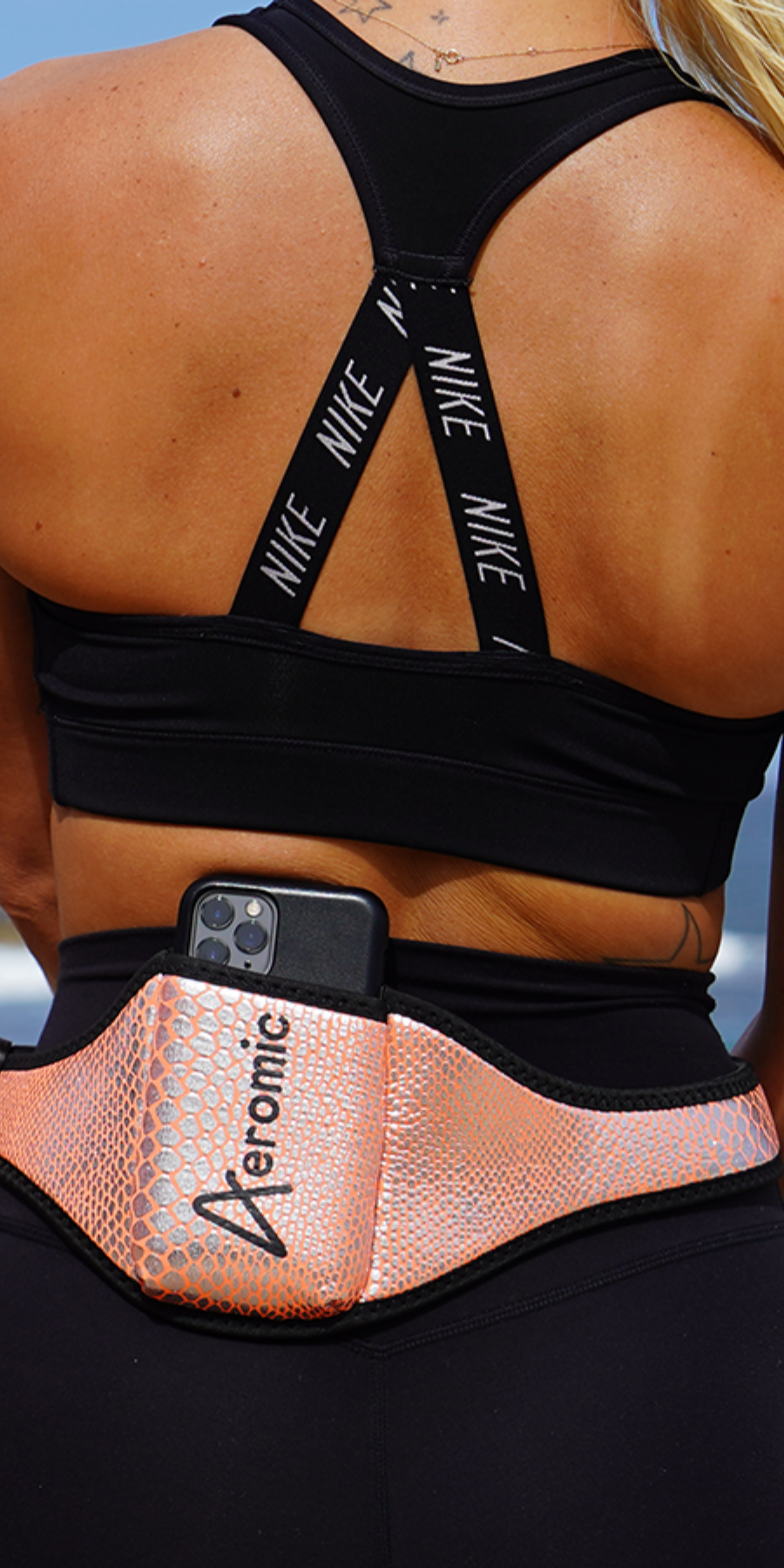
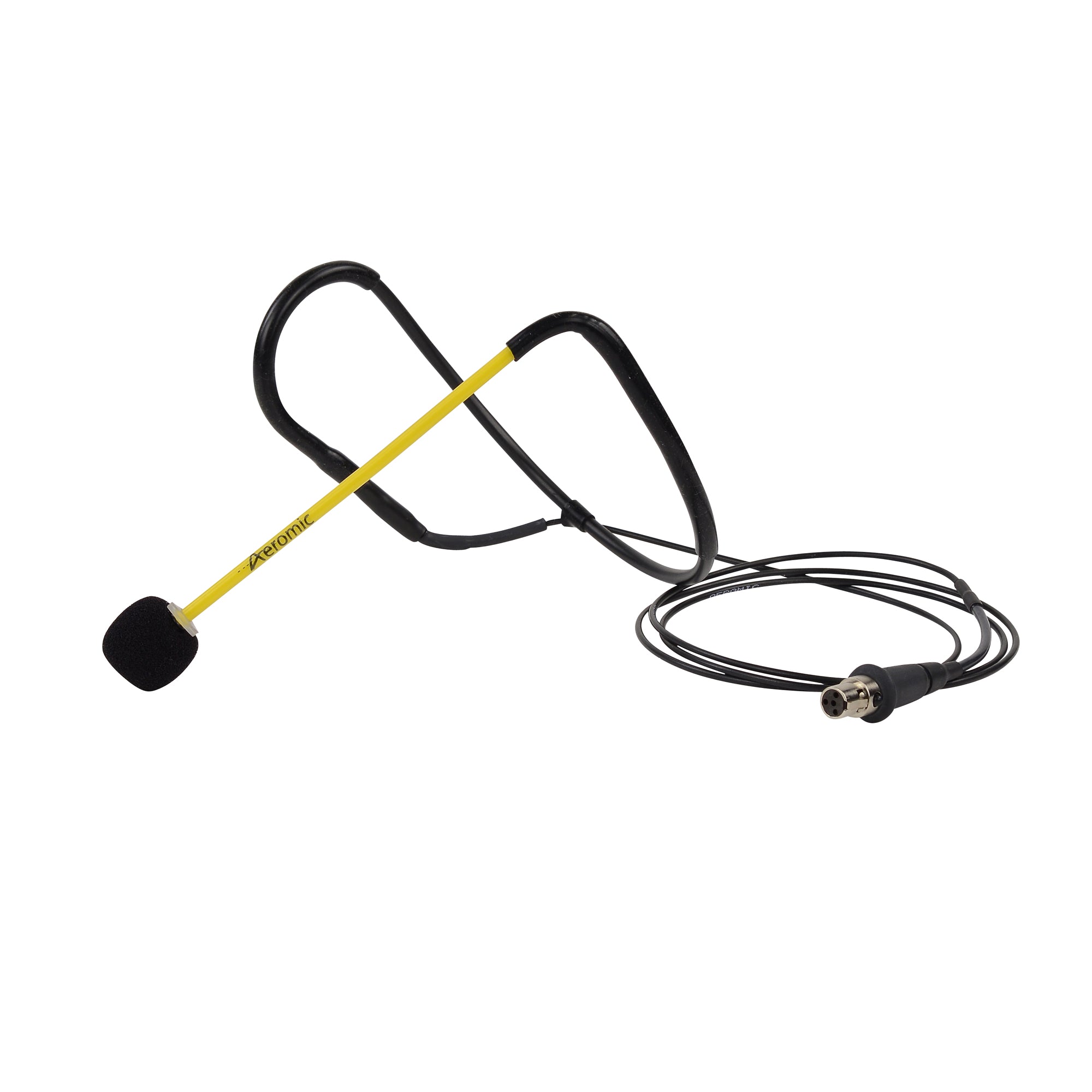
Effective communication between Pilates Instructors and participants is essential in a Pilates class. Our Aeromic wireless microphones offer Instructors the freedom to move around the room and provide clear instructions without any limitations. These microphones provide exceptional sound quality, ensuring that every cue and guidance is heard by participants without any interference or distortion. Fitness Audio's wireless microphones allow Instructors to maintain a seamless flow of instructions, facilitating smooth transitions between exercises and creating a harmonious experience for participants.
To create an unforgettable Pilates class experience that leaves participants rejuvenated and connected, having the right equipment is essential. Fitness Audio's superior sound systems, custom lighting installations, and wireless microphones are the top three essentials that will elevate your Pilates class. With our expertise in gym sound and lighting equipment, we are your trusted partner in creating an unforgettable Pilates class environment. Elevate your Pilates classes and provide an immersive experience that leaves a lasting impression on your clients with Fitness Audio's exceptional equipment.
Call Fitness Audio today for more information!

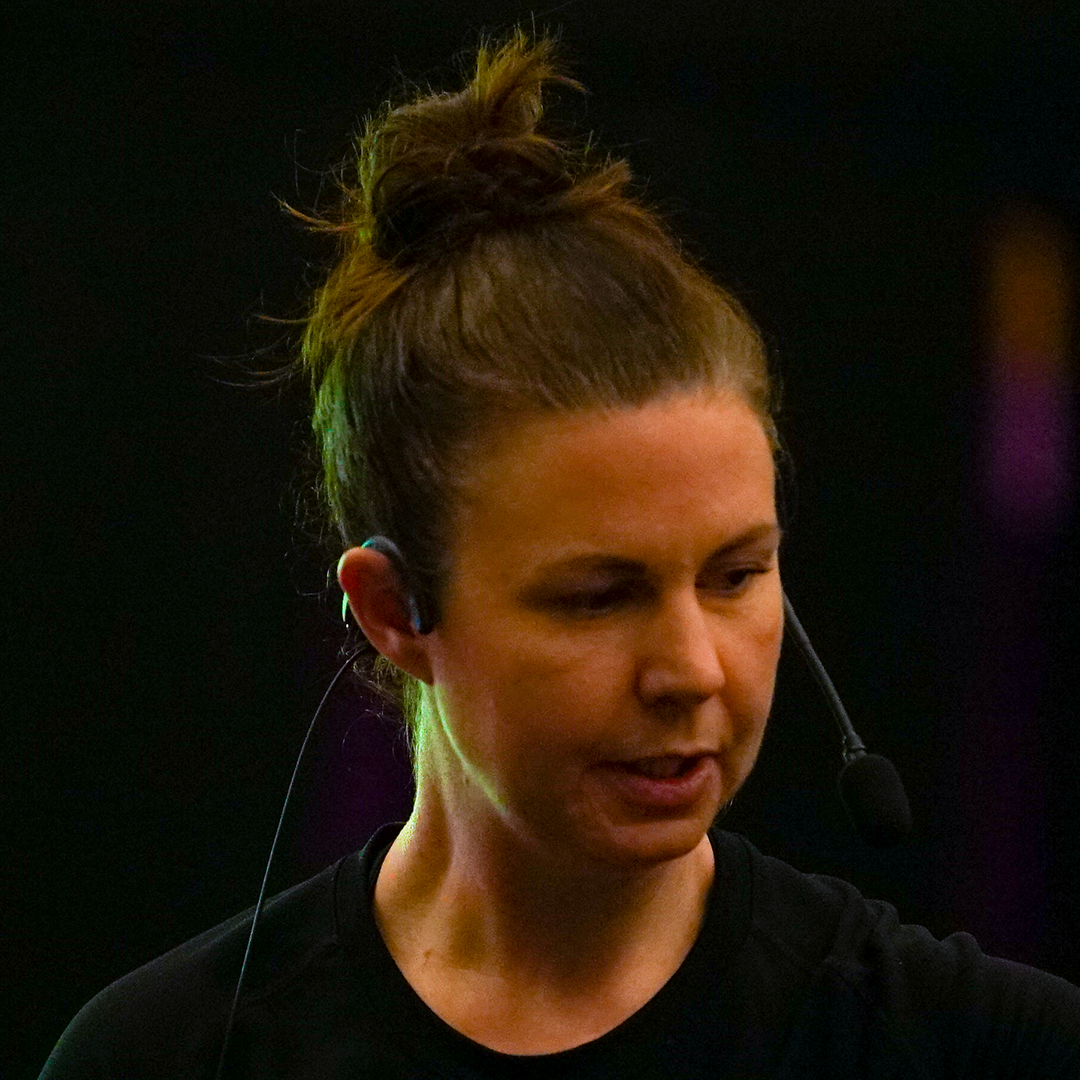
At Fitness Audio, we understand the importance of choosing the right microphone for your gym. The right microphone can make all the difference when it comes to group fitness classes, personal training sessions, and other gym activities.
Here are a few things to consider when choosing a microphone for your gym:
Type of microphone:
The most common types of microphones are wired and wireless. Wired microphones are the most traditional type and are typically less expensive than wireless options. However, they can be restrictive and can limit the movement of the Fitness Instructor. Wireless microphones offer more freedom of movement and durability. They can be slightly more expensive, however they’re a worthwhile investment to make for Group Fitness Instructors.
Sound quality:
The microphone should have good speech intelligibility, meaning that it should clearly pick up the Instructor's voice, even when they are moving around the gym or when the music is playing. It should also have minimal background noise, so that the Exercise Instructor's voice is heard clearly above any other sounds in the gym.
Durability:
The microphone should be able to withstand the wear and tear of regular use and should be easy to clean.
Compatibility:
The microphone should be compatible with your sound system, and it should be easy to set up and use.
Budget:
Consider your budget when choosing a microphone, and look for a model that offers the best value for the price.
At Fitness Audio, we offer a wide range of wireless microphone systems for gyms. All our microphones are sweat-resistant and designed for fitness - so you can rest assured knowing they will last!
Our team can help you choose the right microphone for your gym, taking into account the fitness class you teach, how often you teach, and your budget.
Call Fitness Audio today for more information!


As a gym owner or manager, you know that maintaining your equipment is crucial for keeping your facility running smoothly and providing a great experience for your members. This includes your sound system.
At Fitness Audio, we understand the importance of proper maintenance for gym sound systems and are here to help you keep your system in working order.
Read on for Fitness Audio's top tips for maintaining your gym's sound system!
Keep it Clean
Dust and debris can accumulate on speakers and other components, leading to reduced sound quality. To keep your system performing at its best, regularly dust and clean your speakers and other components. This can be done with a soft, dry cloth and a can of compressed air to remove any built-up dirt or debris.
Protect it from Moisture
If your gym is in a humid environment, it's important to take steps to protect your sound system from moisture. Water and sweat can cause damage to speakers and other components, leading to costly repairs or replacements. Waterproof speakers and protective covers can help prevent moisture-related damage.
Regularly Check and Replace Components
As with any equipment, regular wear and tear can lead to the need for repair or replacement. To ensure that your sound system is working at its best, regularly check and replace any worn or damaged components. This includes speakers, cables, and any other components that may be prone to wear.
Ensure Proper Use
Proper use of your sound system can also help extend its lifespan. Make sure to follow the manufacturer's recommendations for use and handling, and encourage your members to do the same. Avoid overloading the system with too much volume or using it in ways that it was not intended for.
Choose Fitness Audio for Your Gym Sound System Needs
At Fitness Audio, we offer a wide range of sound system options for gyms of all sizes. In addition to helping you choose the right system for your facility, we also offer expert installation and support.
Contact us today to for more information!


Creating the right ambiance in your gym is essential for motivating and engaging your members. While factors such as equipment, music, and training programs play a significant role, lighting is often overlooked despite its profound psychological effects. The type, colour, and intensity of light can influence mood, energy levels, and motivation. To find out the impact gym lighting has on mood and motivation, read on!
1. Natural Light and Circadian Rhythms:
Natural light has a powerful impact on our well-being and productivity. Exposure to natural light, particularly in the morning, helps regulate our circadian rhythms, which control our sleep-wake cycle and overall energy levels. Maximising natural light in your gym, either through large windows or skylights, can enhance members' mood, increase alertness, and boost motivation during workouts.
2. Bright Lighting for Energy and Focus:
Bright lighting stimulates the production of serotonin, a neurotransmitter associated with mood elevation and increased energy. Incorporating bright lighting in your gym can promote a positive and energetic atmosphere, helping members feel more alert and focused. This type of lighting is particularly beneficial for cardio areas, high-intensity workout zones, and group fitness studios where members require extra motivation and endurance.
3. Warm Lighting for Relaxation and Recovery:
While bright lighting is ideal for energising workouts, warm lighting with lower colour temperatures promotes relaxation and recovery. Warm lighting creates a cosy and calming environment, helping members wind down after intense workouts. Consider incorporating warm lighting in areas such as stretching zones, yoga studios, or relaxation areas to facilitate post-workout recovery and mental relaxation.
4. Colour Psychology and Lighting Effects:
Colours evoke emotional and psychological responses, influencing our mood and behaviour. Different colours can be used strategically in gym lighting to enhance specific workout experiences. For example, blue lighting is associated with calmness and focus, making it suitable for yoga or meditation spaces. Red lighting is energising and can increase intensity, making it suitable for areas dedicated to high-intensity workouts. Experiment with different colour schemes and lighting effects to create the desired atmosphere for different workout zones.
5. Dynamic Lighting for Engagement:
Dynamic lighting systems allow you to change the colour, intensity, and patterns of light dynamically. This feature can be utilised to create engaging and interactive experiences during group classes or specialised workouts. Synchronised lighting effects with music or programmed light sequences can enhance the sense of rhythm and immersion, making workouts more enjoyable and memorable for your members.
6. Proper Illumination for Safety:
In addition to its psychological effects, lighting also plays a crucial role in ensuring safety in the gym. Proper illumination helps members navigate the space, avoid obstacles, and use equipment safely. Ensure that all areas, including walkways, staircases, and equipment zones, are well-lit to prevent accidents and injuries. Balanced lighting that reduces shadows and glare creates a visually comfortable and safe environment.
7. Personalisation and Member Preferences:
Every member has unique preferences when it comes to lighting. Some individuals may thrive in brighter environments, while others may prefer softer lighting. Consider incorporating adjustable lighting options or providing members with control over the lighting in their workout spaces. This personalisation allows individuals to create an environment that aligns with their preferences, making them feel more comfortable and motivated during workouts.
At Fitness Audio, we specialise in designing and installing custom lighting systems for gyms and fitness centres. To find out how we can help elevate your gym’s lighting to boost mood and motivation, get in touch with our team today!


When it comes to working out, music can be a powerful motivator. It can help you push through a tough workout, keep you energised, and even make the time fly by. However, for music to be effective in a gym setting, it needs to be played through a high-quality sound system that delivers crisp, clear sound.
Unfortunately, not all gyms have invested in good sound equipment, which can lead to a subpar workout experience. Poor sound quality can be incredibly frustrating, making it difficult to hear the Instructor or music, and even causing strain on the ears. In some cases, it may even discourage people from coming back to the gym.
Investing in high-quality sound equipment is crucial for creating an enjoyable and motivating atmosphere in a gym. A good sound system should have the following features:
- Adequate power and coverage: The sound system should be powerful enough to fill the entire gym with sound and should be able to reach every corner of the gym without distortion.
- Clear and crisp sound: The sound should be free from distortion, echo, or any other kind of interference. It should be loud enough to be heard, but not so loud that it's uncomfortable to listen to.
- Flexibility: The sound system should be able to handle different types of music and should be adaptable to different gym activities such as group fitness classes, personal training, and open gym hours.
- Easy to use: The sound system should be easy to operate and should be accessible to the gym staff.
When it comes to group fitness classes, the sound system and microphone are even more important. A good microphone should have the following features:
- Good speech intelligibility: The microphone should be able to clearly pick up the Instructor's voice, even when they are moving around the gym or when the music is playing.
- Durable and robust: The microphone should be able to withstand the wear-and-tear of regular use and should be easy to clean.
- Wireless: A wireless microphone is a good option as it allows the Fitness Instructor to move around the gym freely.
In summary, good sound quality is essential for creating an enjoyable and motivating atmosphere in a gym. Investing in high-quality sound equipment and microphones can make a big difference in the overall gym experience. It can enhance the motivation and energy of gym-goers, and can even attract new members to the gym.
Fitness Audio specialises in installing sound systems custom designed to your gym. By taking into account the natural acoustics of your studio, we can install a sound system that distributes crystal-clear audio evenly and is easy to control and maintain.
For more information, get in contact with Fitness Audio today!


Fitness Audio’s YouTube channel is the place to go for exclusive, full-length video content. Our channel has an extensive variety of videos, ranging from custom gym sound and lighting case studies, to client stories, to product demonstrations.
Gym Sound and Lighting Case Studies
Find out more about our custom gym sound and lighting installations, how they look, and how they work with full-length case studies. We have put together a range of different case studies from a variety of fitness facilities, from large multi-storey gyms to boutique Pilates studios. In these videos, we showcase the sound and lighting systems we have designed and installed. We also talk to Andrew about the concepts behind each install and any challenges that were encountered.
Client Stories
Learn about some of our customers, their facilities, and how Fitness Audio helped them with our client stories. In these videos, we interview a range of Fitness Audio customers and find out the products and services they have received, how they have benefitted their business, and get full-length testimonials on their Fitness Audio experiences.
Product Demonstrations
See our gym audio products in-action with our product demonstration videos. In these videos, we showcase a variety of products and their unique features. We also have a range of ‘how to’ videos explaining how to use, maintain, and care for some of our popular products.
Stay up to date with all things Fitness Audio by subscribing to our YouTube channel today! View our channel and subscribe here: www.youtube.com/@fitnessaudioshop.


When it comes to creating an engaging and energetic atmosphere in your gym, sound plays a vital role. Clear and powerful audio can elevate the workout experience for your members, making them feel motivated and immersed in their fitness journey. However, achieving optimal sound quality in a gym environment can be challenging due to various factors like background noise, high ceilings, and large open spaces. That's why optimising the acoustics in your gym is essential. Here are some valuable tips to help you achieve clear and powerful sound:
1. Assess Your Space:
Start by understanding the acoustic characteristics of your gym. Consider the size, shape, and construction materials used in the space. High ceilings, hard surfaces, and concrete floors can contribute to excessive reverberations and echoes. Identifying these aspects will guide you in implementing the right solutions.
2. Acoustic Treatment:
Invest in acoustic treatment to control unwanted reflections and reverberations. Installing acoustic panels or diffusers strategically on walls, ceilings, and even in corners can help absorb excessive sound energy, reduce echoes, and improve overall sound clarity.
3. Speaker Placement:
Carefully position your speakers to ensure even coverage throughout the fitness facility. Avoid placing them too close to walls or in corners, as it can result in uneven sound distribution. Experiment with speaker angles and heights to find the optimal placement for your specific space.
4. Zone Control:
Consider dividing your gym into different zones and install separate speakers or sound systems for each zone. This allows you to control the sound independently, catering to different activities or areas within the gym. For instance, you can have dedicated sound systems for group exercise studios or spin zones.
5. Subwoofers and Bass Management:
To achieve a well-balanced and powerful audio experience, incorporate subwoofers and proper bass management. Subwoofers deliver low-frequency sounds, enhancing the impact and depth of the music. Ensure that the subwoofers are placed strategically to avoid overpowering or muddying the overall sound.
6. Microphone and Music Balance:
Instructor microphones are crucial for delivering clear instructions during classes. Ensure that the sound system is properly configured with audio mixers to balance the volume levels between music playback and Fitness Instructor microphones. This ensures that the music doesn't overpower the Instructor's voice, enabling seamless communication.
7. Regular Maintenance:
Regularly maintain your sound system to ensure optimal performance. Dust or debris on speakers, loose connections, or outdated firmware can impact sound quality. Clean your equipment, check cables, and keep up with software updates to maximise the lifespan and performance of your system.
8. Fitness Audio’s Expertise:
When in doubt, call Fitness Audio. With many years of experience optimising acoustics in gym and fitness centres, the Fitness Audio team can provide valuable insights, conduct acoustic assessments, and recommend tailored gym sound solutions based on your specific requirements and budget.
By implementing these tips and optimising the acoustics in your gym, you can achieve clear and powerful sound that enhances the workout experience for your members. Remember, investing in high-quality sound equipment and proper acoustic treatment is an investment in your gym's atmosphere and member satisfaction.
For help with sound and acoustics in your gym, don’t hesitate to reach out to the Fitness Audio team!


When it comes to choosing a wireless fitness microphone for your group exercise class, there is no shortage of options.
There are many audio product providers that offer many different types of microphones, so figuring out which is best for you and your fitness class is not always easy.
Fortunately, Fitness Audio is here to help with our guide on the 5 considerations you need to make prior to purchasing your fitness mic.
1. Usage
First things first, you need to consider how often you will use your wireless mic. Most audio providers will offer different microphones for different usage levels.
At Fitness Audio, we have 4 main microphone models - all of which differ in recommended levels of usage:
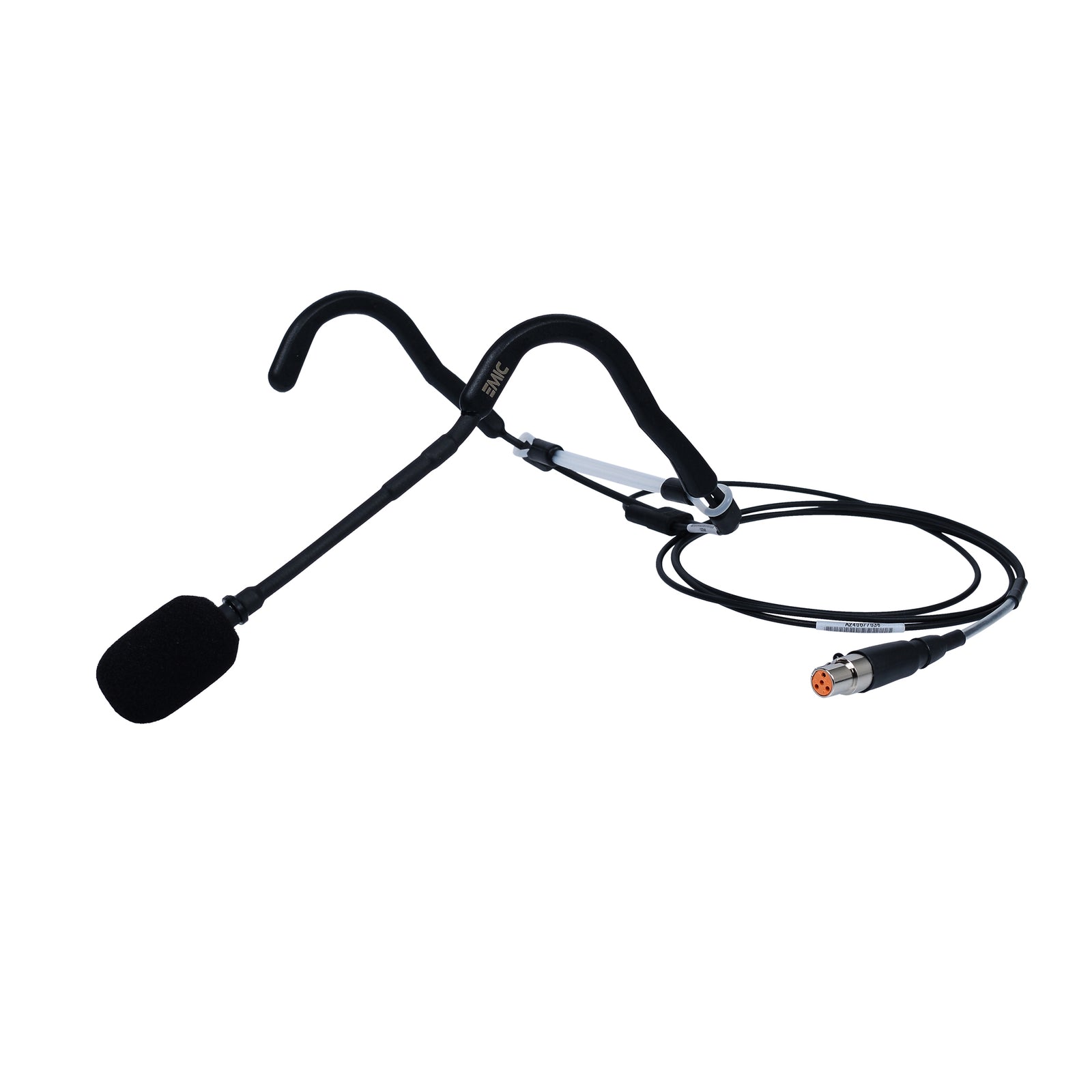
- The EMic: For usage of up to 20 classes per week,
- The Aeromic: For usage of up to 49 classes per week,
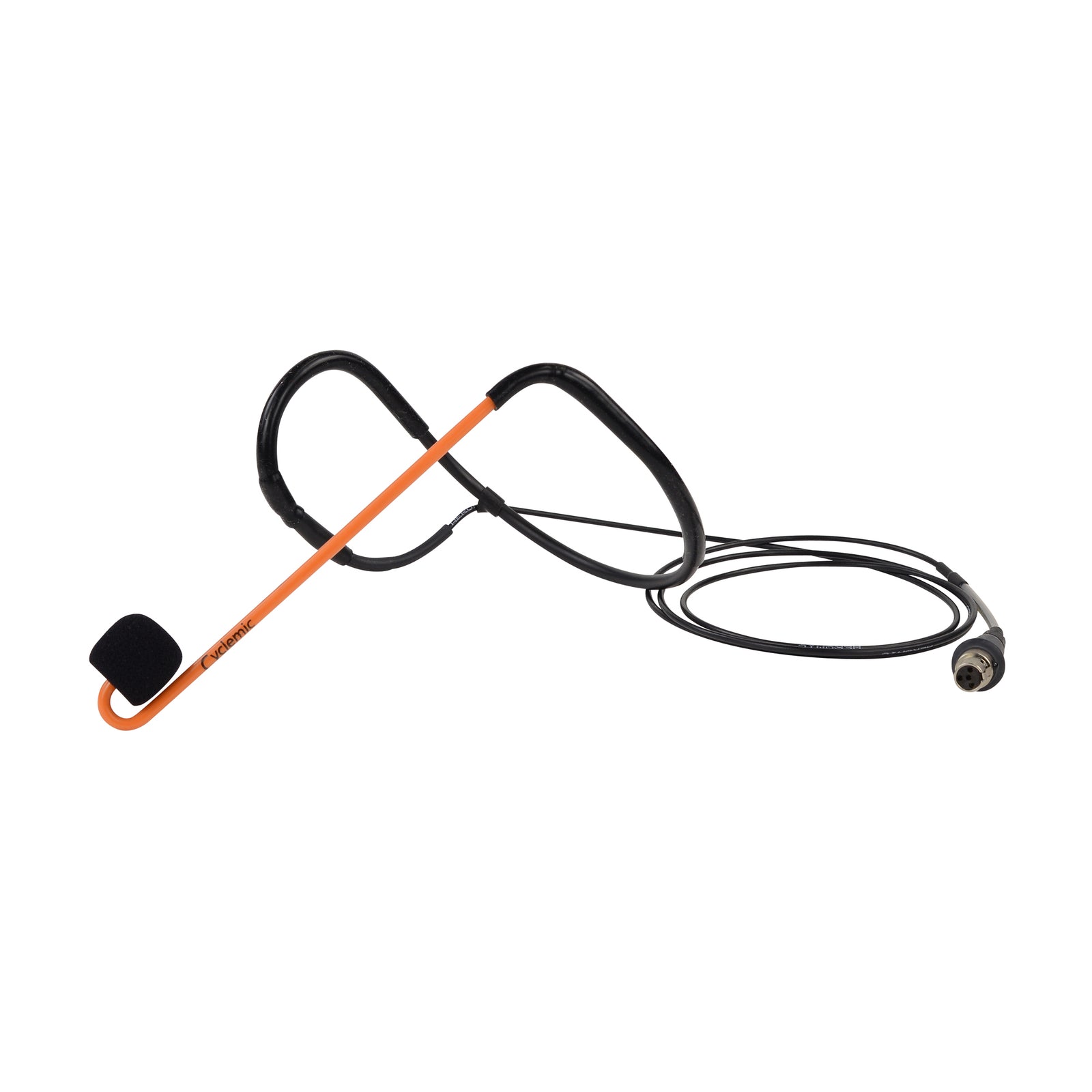
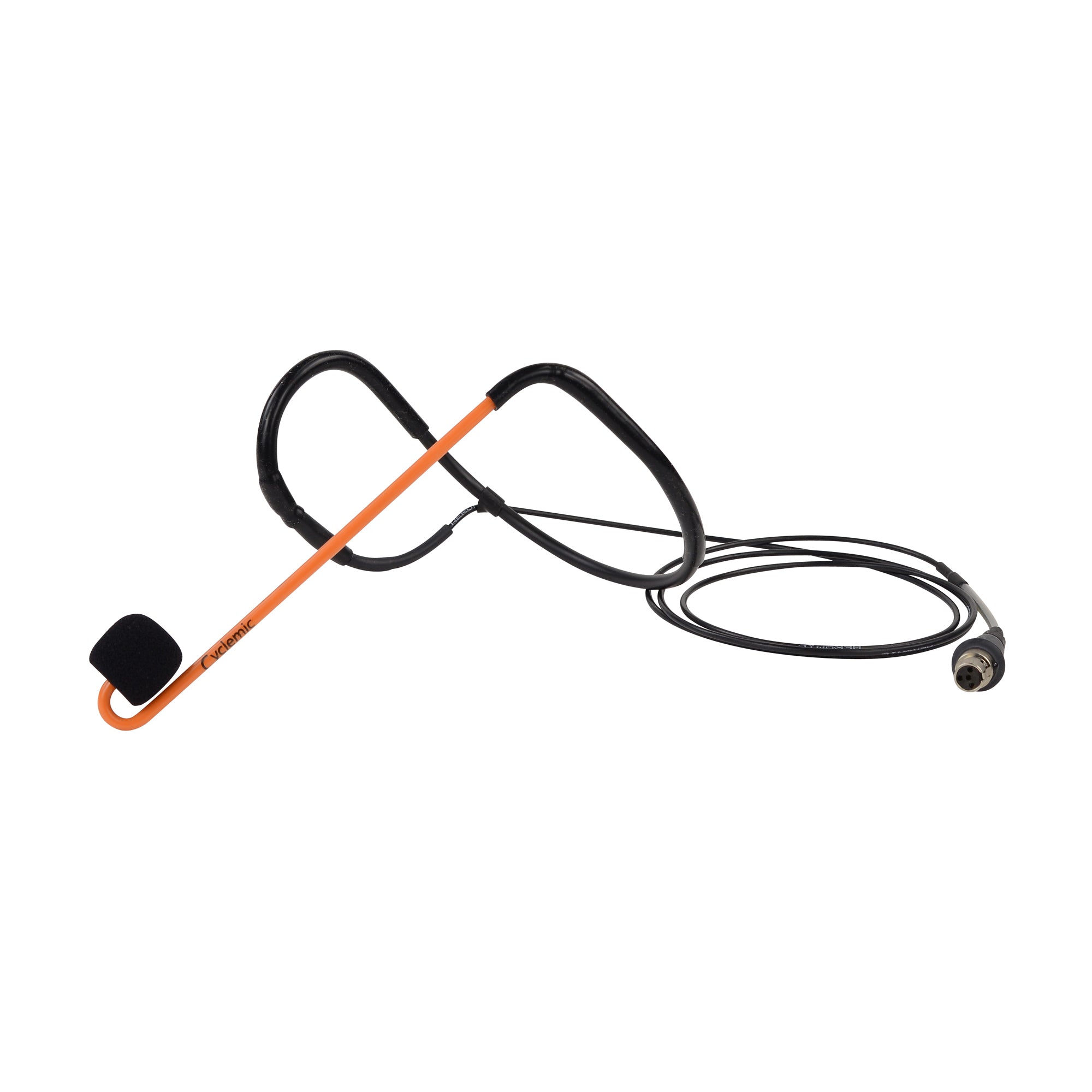
- The Cyclemic: For usage of up to 49 classes per week,
- The FM41 Solo Instructor Mic: For usage of up to 10 classes per week.
Before you purchase your fitness mic, figure out how often you will need to use it. From here, you can determine which microphone is best for you in terms of your usage.
2. Durability
Investing in a durable, sweatproof microphone is also a must for Fitness Instructors. Before you make your purchase, investigate what features your microphone offers and how resistant to moisture it is. This will help ensure the microphone you get will be able to survive your fitness class.
Look for microphones that have sweat-protected connectors, waterproof capsules, and warranties against sweat damage!
3. Your Class
Another key thing you will need to think about is your class. Not all fitness mics are appropriate for all exercise classes. For example, a wireless mic designed for low-impact activity such as Yoga should not be used in a high-impact class such as HIIT or Spin.
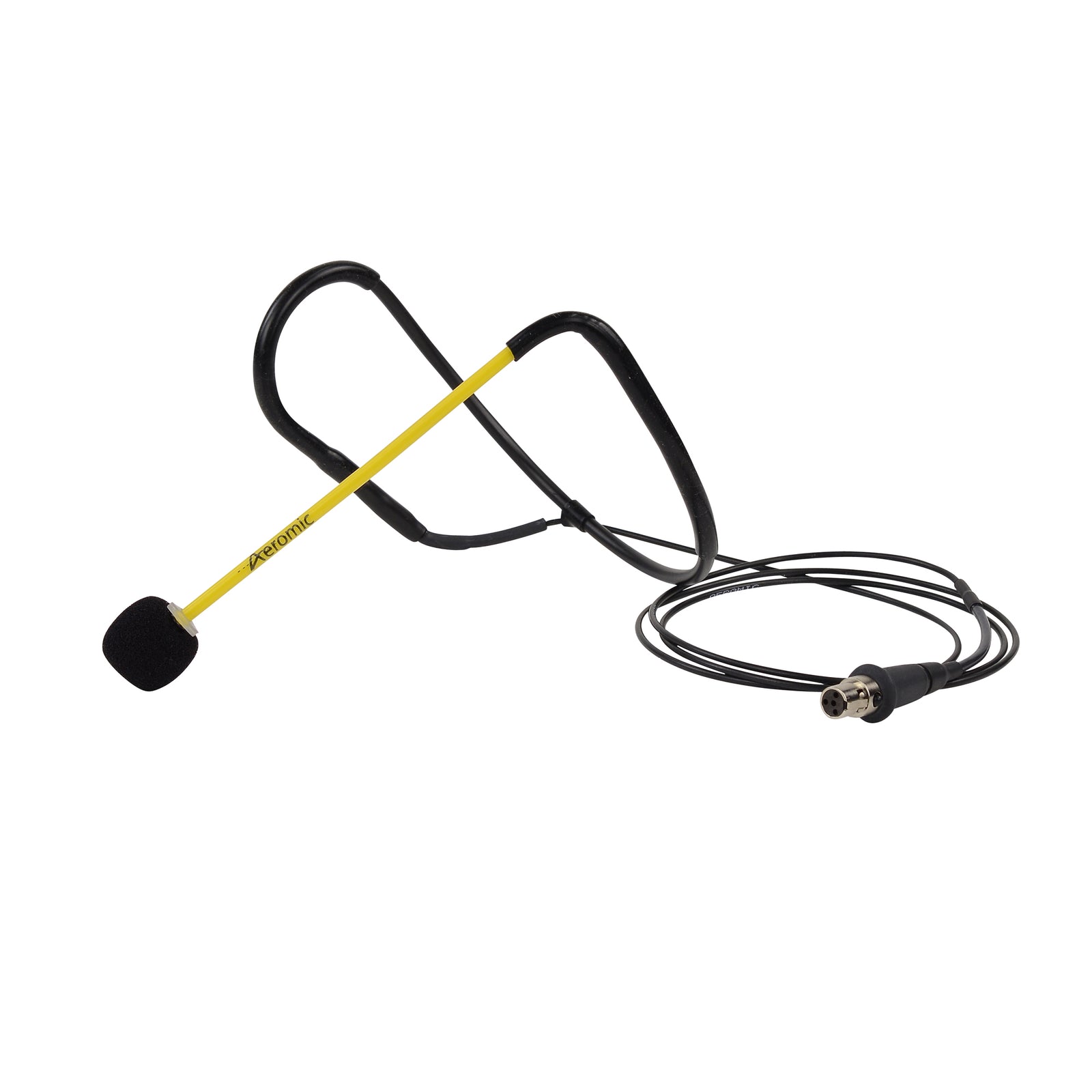
Many manufacturers also offer specific mics for specific classes. At Fitness Audio, we sell Aeromics. These high-usage mics are perfect for high-impact, high-sweat classes. We also sell the Spin Class equivalent - the Cyclemic. The Cyclemic is just like the Aeromic, however it is designed with a j-shape frame that drains sweat away from the face. This is ideal for Spin Instructors as they usually have their heads positioned downwards when teaching.
4. Body Pack VS Headmic Mounted Transmitters
Most wireless mics cannot be used without an audio transmitter. Because of this, you also need to consider the types of transmitter you want for your class.
For fitness use, the two recommended transmitter types are body pack and headmic mounted transmitters . Body pack transmitters are designed to be worn somewhere on the body (we always recommend you wear them in a mic belt). Conversely, headmic mounted transmitters, as the name implies, are worn on the back of your headmic.
Headmic mounted transmitters are great for convenience, however they are also very vulnerable to sweat. Because of this, we only recommend them for less-involved, less-sweaty classes. If you teach Spin or another class where you need to demonstrate high-impact activity, opt for a body pack audio transmitter!
5. Rechargeable VS Disposable Batteries
Last but not least, you need to determine whether to invest in a rechargeable or non-rechargeable audio transmitter. Rechargeable transmitters offer greater convenience and prevent you from needing to have a constant supply of batteries in your studio. You do, however, need to take special care to ensure your transmitter is always charged to avoid running out of power mid-class.
If you’re still unsure about which wireless mic system is best for you, call Fitness Audio. We will be able to help you find the perfect microphone for your fitness class!


As a business that specialises in gym sound and lighting, we know that the right lighting can make a huge difference in the overall gym experience. Good lighting can enhance the aesthetic of a gym and create a more inviting and energising environment for members.
There are several benefits of lighting installations in gyms. These include:
- Improved visibility: Adequate lighting is essential for safety and visibility in a gym. It ensures that members can see where they are going, and can safely navigate the equipment. Good lighting also improves visibility for Personal Trainers and Group Fitness Instructors, making it easier for them to monitor their clients.
- Increased energy: Bright and well-designed lighting can create a sense of energy and excitement in a gym. It can help motivate members to work out harder and longer, and can make the gym a more appealing place to be.
- Better aesthetics: Lighting can be used to create a particular aesthetic in a gym. By using different colours and intensities of light, a gym can create a variety of moods, from energising to relaxing. This can make the gym a more pleasant and enjoyable place to be.
- Improved brand image: Good lighting can help to enhance the image of a gym, making it more attractive to potential members. I t can also be used to showcase the gym's logo or branding, which can help to create a sense of identity and loyalty among members.
- Cost savings: Energy-efficient lighting can help to lower the cost of electricity for a fitness centre, which can help to reduce operating costs.
At Fitness Audio, we offer a wide range of lighting options for gyms, including LED lighting, colour-changing lights, and specialised lighting for group fitness classes. Our team can help you to design the perfect lighting solution for your fitness studio, taking into account the size and layout of your space, the type of activities offered, and your budget.
Call us today for more information on our custom gym lighting services!


As a gym owner or manager, you know that creating a positive atmosphere in your studio is crucial for attracting and retaining members. One often overlooked aspect of the gym atmosphere is the quality of the sound system.
To find out more about why gym sound quality is so important and how to go about maximising it in your studio, read on!
Why Sound Quality Matters
Good sound quality can enhance the overall workout experience of your members. Clear music motivates members and makes working out far more enjoyable, whilst clear instructions in group fitness classes ensures that members can hear the Fitness Instructor and follow the class with ease.
Choosing the Right Sound System for Your Gym
With so many options on the market, it can be overwhelming to choose the right sound system for your gym. Here are a few things to consider when making your decision:
- Size and layout of the gym: The size and layout of your gym will determine the type and number of speakers you need. Consider the dimensions of your space, as well as any obstacles that may affect sound quality.
- Budget: Determine your budget and look for sound systems that meet your needs and fall within your price range.
- Features: Look for features that are important to you and your members. For example, some gym owners may prioritise a system with Bluetooth connectivity, while others may prioritise durability and waterproofing.
- Warranty and customer support: Make sure to choose a sound system from a reputable company that offers a good warranty and customer support, such as Fitness Audio. This will give you peace of mind and ensure that any issues with your system can be quickly addressed.
Maintaining Your Sound System
Proper maintenance is key to ensuring that your sound system continues to perform at its best. Here are a few tips for maintaining your gym's sound system:
- Keep it clean: Dust and debris can accumulate on speakers and other components, leading to reduced sound quality. Regularly dust and clean your system to ensure optimal performance.
- Protect it from moisture: If your gym is in a humid environment, be sure to take steps to protect your sound system from moisture. Waterproof speakers and protective covers can help prevent damage from sweat and water.
- Regularly check and replace components: As with any equipment, regular wear and tear can lead to the need for repair or replacement. Make sure to regularly check and replace any worn or damaged components to ensure your system is working at its best.
Invest in Good Sound Quality for Your Gym
As you can see, good sound quality is critical for creating a vibrant atmosphere and enjoyable workout experience in your gym.
At Fitness Audio, we specialise in quality sound systems tailor-designed to your fitness studio.
Contact us today for more information!


Wireless Mics - A General Definition:
A wireless microphone is a microphone without a physical cable connecting it directly to the amplifying equipment.
A wireless microphone system allows the user’s voice to be transmitted “wirelessly” to its receiver, located in the sound system. The sound system amplifies the signal from the receiver and outputs it through the system’s speakers.
A wireless mic system consists of three main components that operate together as a low powered, individual radio station.
1. The Microphone:
The microphone is the piece of equipment that Fitness Instructors speak into. Although the first wireless mic systems were designed with handheld mics, nearly all Fitness Instructors prefer the hands-free freedom a headset mic allows. The mic connects to the transmitter.
2. The Transmitter:
Wireless mic systems used for fitness originally all utilised bodypack transmitters. The headset mic connects to a bodypack transmitter via a short cable. In the early 2000s, Samson Technologies designed the first “transmitter on the headset” wireless mic, the Airline 77. Both types of transmitters – bodypack and transmitter-on-headset are widely used for group exercise instruction today and are available from many manufacturers. Fitness Audio supplies both types of microphone transmitter.
The transmitter converts the audio from the microphone to radio waves and transmits them to the receiver.
3. The Receiver:
The receiver receives the radio transmission from the transmitter and converts it back to an audio signal so it can be amplified by the sound system. The receiver is typically located in the sound system or near enough to it to be connected by a short audio cable.
FAQs:
Q: Is a wireless mic system all I need for my class to hear me?
A: Wireless mic systems make no sound on their own. They must be connected to a sound system. Note: some ‘all-in-one’ portable sound systems have a wireless receiver built-in, so this connection is already made. You need a compatible headset and transmitter and you are good to go do your class.
Q: Is a headset mic all I need for my class to hear me?
A: Headset mics make no sound on their own. They are the first component in a wireless mic system. You need a complete wireless mic system connected to a sound system for your class to hear you.
Q: Will a Shure (for example) transmitter work with an Audio-Technica (for example) receiver?
A:
- Different brands of wireless audio equipment are not compatible with each other due to the specific radio frequencies and methods of transmission each manufacturer uses.
- Generally speaking, a transmitter only works with the specific receiver it was designed to work with. Even if both pieces are from the same manufacturer, they need to be the same model and operate on the same frequency or frequency range.
- Fitness Audio is always available to help you figure out whether wireless components are compatible or to let you know the components you need to make them work.
Q: Will an Audio-Technica (for example) headset mic work with a Shure (for example) body-pack transmitter?
A. Headset mics don’t transmit anything and aren’t frequency dependent. The bodypack transmitter and receiver are the “radio” components in the wireless system. The headset is simply the mic. In theory, any headset mic should work with any bodypack transmitter. However, each wireless manufacturer uses a different type of connector for their headsets and bodypacks. This makes them generally not interchangeable. For example, Shure uses a 4-pin connector configured in a 'Y' shape. Audio-Technica uses a 4-pin connector configured in a square shape. You can’t physically plug a Shure headset into an Audio-Technica bodypack.
A standard manufacturer’s headset can be re-terminated with a connector to match the transmitter you wish to plug into, but this is generally not cost-effective, and is sometimes technically-impossible. It’s usually best to simply get a headset that has the connector that matches your transmitter, or vice versa.
Fitness-Rated Headset Microphones
Fitness Audio are the experts in fitness-rated sound equipment, including wireless microphones. Our mics are designed specifically for Fitness Instructors. Most standard headset mics that come with a wireless mic system simply are not.
EMics and Aeromics are offered with different connectors for all major transmitter bodypacks. If you switch wireless systems to a different manufacturer and connector type down the road, we can change the connector on your EMic or Aeromic so it will work with your new system.
For more information, contact the Fitness Audio team today!