

Renovating a gym or fitness studio presents an opportunity to rethink the space, improve its functionality and create a better experience for members. While new flooring, updated equipment and refreshed interiors often receive immediate attention, the audio-visual system deserves just as much consideration.
For gym owners and facility managers, one important question is whether existing AV equipment can be retained as part of the refurbishment or whether certain components need replacing. Reusing suitable equipment may help manage project costs, but keeping outdated or incompatible components without proper assessment can create complications later.
The most effective approach is to evaluate the existing system against the needs of the refurbished facility. Fitness Audio Shop offers commercial gym sound systems, wireless microphones and custom audio solutions, providing options for facilities undertaking anything from a partial upgrade to a more comprehensive installation.
Start With an Equipment Audit
Before deciding what to replace, establish exactly what your facility already has. Equipment that has been installed for several years may include components that are still suitable for continued use alongside others that require attention.
Begin by creating an inventory of the existing system, including speakers, amplifiers, mixers, microphones, wireless transmitters, receivers and relevant cabling. Record model numbers where possible and gather any available manuals, installation documents and service records.
Next, assess the condition and performance of each component. Consider whether the equipment operates reliably, whether controls remain easy to use and whether there have been recurring problems that affect classes or general gym operations.
It is also worth considering how the equipment has been used. A component that has experienced frequent operation in a busy commercial environment may warrant closer inspection than one used occasionally in a quieter space.
An equipment audit provides a more reliable basis for decisions than simply assuming everything must be replaced because it looks old, or retained because it still switches on.
Does the Existing System Suit the New Layout?
One of the biggest considerations during a refurbishment is whether the existing AV system remains appropriate for the redesigned space.
Moving walls, changing room dimensions, introducing new training zones or altering ceiling heights can affect how sound travels throughout a facility. Speaker positions that worked well in the original layout may no longer provide suitable coverage after the renovation.
For example, a studio being converted into a multi-purpose group exercise room may need a different speaker arrangement to support its revised use. Similarly, expanding a training area could create requirements that the original system was never designed to accommodate.
Fitness Audio's Custom Gym Audio Solution service provides tailored options for fitness facilities, including speakers, amplifiers, mixers and wireless microphones. The team can assess the requirements of the space when determining an appropriate solution.
Before finalising the renovation plans, share the proposed floor plan with an audio specialist. Identifying potential changes early can help avoid unnecessary installation work and reduce the likelihood of needing further modifications after the refurbishment is complete.
Check Compatibility Before Reusing Components
Keeping selected equipment can be a sensible option, but compatibility needs to be established before connecting old and new components.
Audio systems contain different types of equipment, each with specific connection and operating requirements. An existing amplifier may not be appropriate for a proposed speaker configuration, while a wireless microphone may not work with a receiver designed for a different system.
Before reusing any components, confirm:
- Whether the equipment supports the connections required by the proposed setup.
- Whether amplifier and speaker specifications are compatible.
- Whether existing microphones, transmitters and receivers can operate together.
- Whether the equipment can accommodate the intended number of audio sources.
- Whether replacement parts and technical support are available where needed.
These checks are particularly important when a refurbishment involves introducing new technology while retaining selected parts of the original installation.
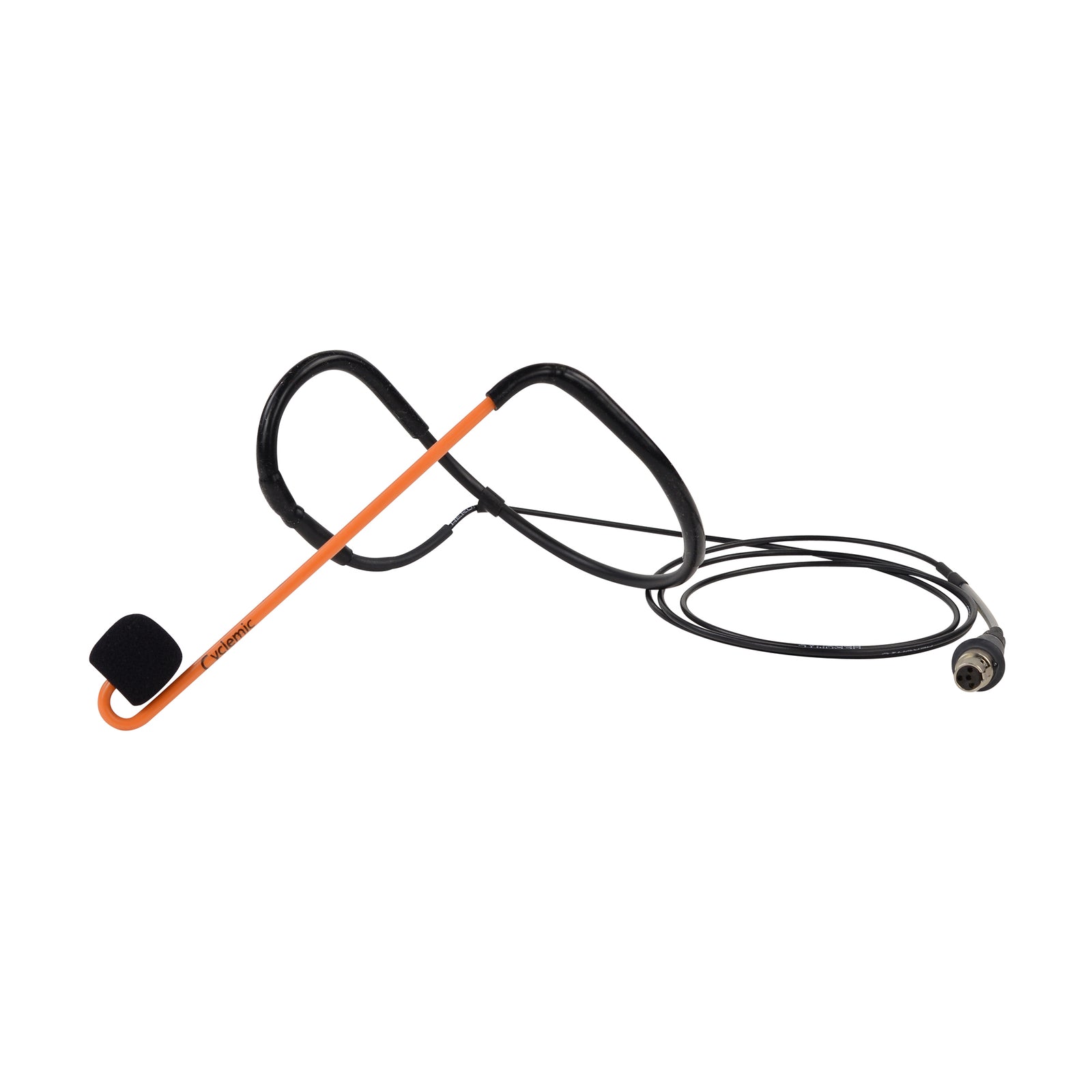
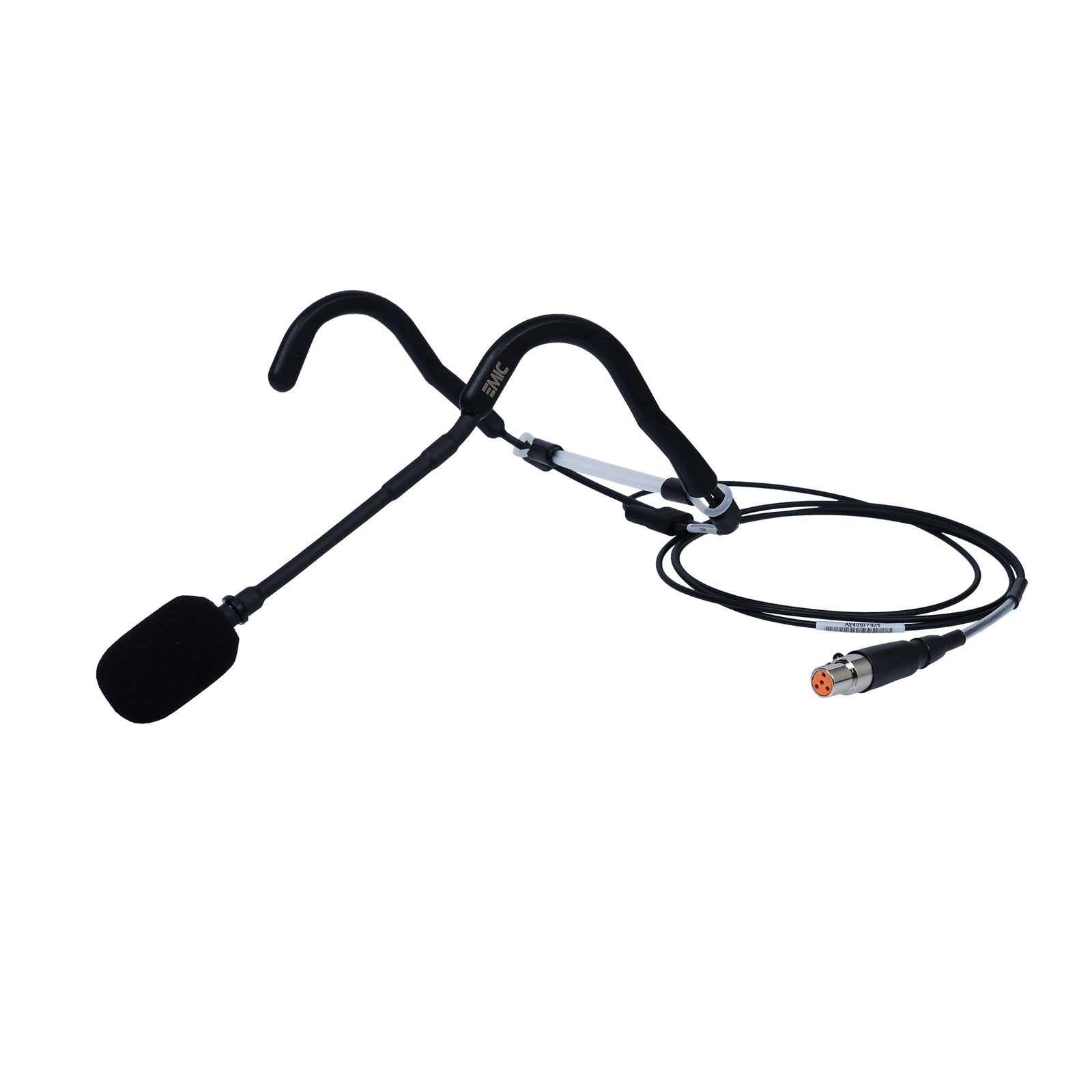
Fitness Audio offers products ranging from individual microphone components to complete sound system packages. For example, its
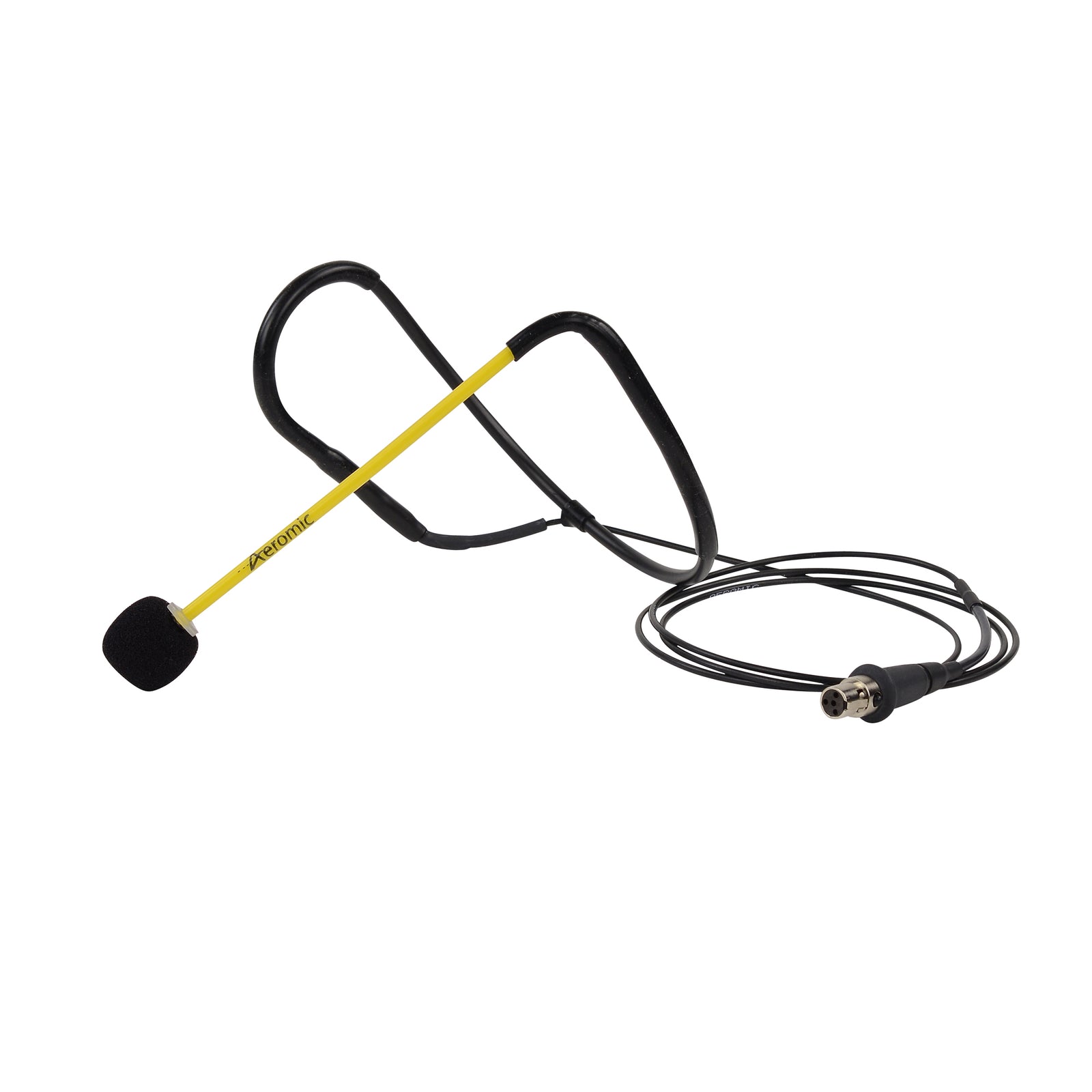
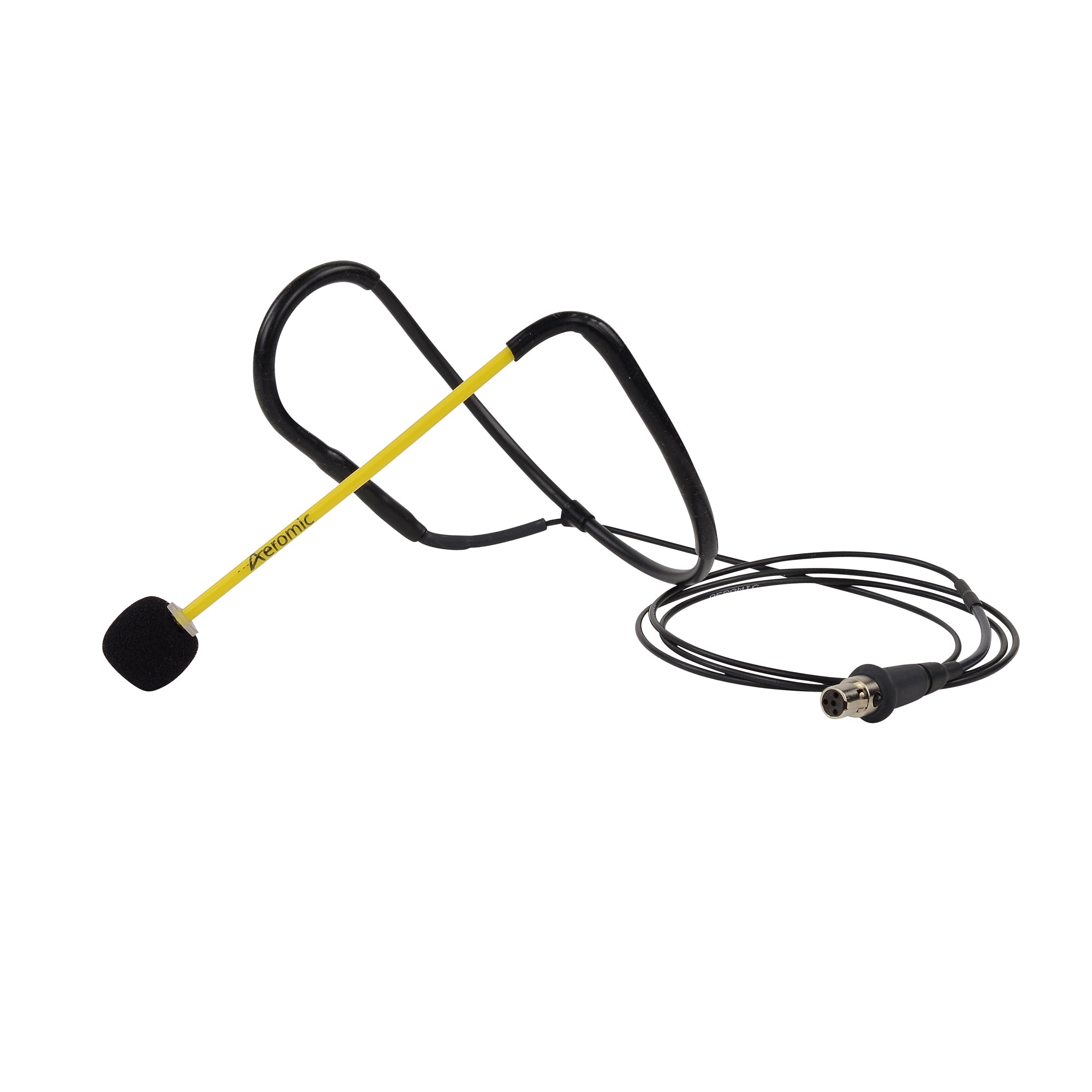
Powered Wide-Coverage Fitness Studio Sound System Package combines a fitness headset microphone, wireless equipment, a mixer and powered speakers in a coordinated package.
Acomplete package may be worth considering when several existing components are unsuitable or when a facility wants a more integrated solution. However, the decision should follow an assessment of the current equipment and the requirements of the renovated space.
Compare the Cost of Retaining and Replacing Equipment
The initial cost of purchasing new equipment is only one part of the refurbishment budget. Retaining existing components may reduce immediate expenditure, but the overall decision should also account for installation work, compatibility requirements, repairs and potential future replacement.
For example, keeping suitable speakers may be economical if they remain in good condition and provide appropriate coverage in the new layout. However, retaining a component that repeatedly fails could create additional service costs or disrupt classes.
Consider the likely costs of both options, including any work required to integrate existing equipment with new components. Ask suppliers to explain what is included in their proposals and identify any additional work that may be necessary.
It is also important to distinguish between equipment that is functioning correctly and equipment that genuinely meets the facility's future requirements. A system may still operate but lack the flexibility needed for a revised timetable, additional instructors or a different room configuration.
A balanced assessment helps ensure that short-term savings do not come at the expense of long-term suitability.
Plan the AV Work Alongside the Renovation
Audio-visual decisions are best made while the renovation is still being planned, rather than after the builders have completed the main work.
Speaker mounting locations, cable routes, power requirements and equipment storage arrangements can all affect the installation. Coordinating these details with the relevant contractors can help minimise rework and make better use of the available space.
If the project includes new group exercise rooms, consider how the equipment will be operated by instructors and whether different areas require independent audio controls. If the facility also plans to update its lighting, coordinating the relevant design and installation work may help create a more cohesive environment.
Fitness Audio provides custom sound and lighting solutions for fitness facilities, with options tailored to the venue and project requirements. Discussing the AV scope early can help clarify which existing components should be retained, where new equipment is required and how the installation will fit into the broader refurbishment schedule.
Test the System Before Reopening
Once the refurbishment is complete, allow sufficient time to test the audio system before returning to a full class timetable.
Check that speakers operate correctly, microphone signals remain clear and music playback works as expected. Test the system in the actual room configuration, with the equipment positioned as it will be during normal operations.
It is also important to involve instructors in the testing process. They can help identify practical issues with microphone use, volume adjustments and everyday operation that may not be apparent during a technical inspection alone.
Document the final equipment configuration and provide staff with updated operating instructions where necessary. This helps ensure that the refurbished facility can be managed consistently after reopening.
Make Your Refurbishment Investment Count
A gym refurbishment does not automatically require a complete AV replacement. Some equipment may remain suitable for continued use, while other components may need upgrading to meet the demands of the redesigned space.
The key is to assess the existing system carefully, confirm compatibility, compare the full costs of available options and coordinate the AV work with the wider renovation.
Fitness Audio Shop commercial audio equipment and custom installation solutions to help fitness facilities assess their requirements and plan an appropriate setup.
Whether you are refreshing a small studio or undertaking a larger gym renovation, reviewing your AV equipment early can help you make informed decisions and build a system that supports the facility well into the future.