
Gym and wellness amenities have become an increasingly important feature in residential, commercial, and hospitality developments. As expectations around lifestyle and wellness continue to grow, developers are placing greater emphasis on how these spaces are designed and experienced.
One of the most significant areas of investment in recent years has been audio-visual (AV) systems, including sound, lighting, and integrated control solutions.
At Fitness Audio, we are seeing a clear shift in how developers approach fitness spaces, moving from basic provision to experience-led design.
Wellness Amenities as a Value Driver
Fitness facilities are no longer treated as optional extras in developments.
They are now a key part of the overall value proposition.
Well-designed gym and wellness spaces can support:
- Higher tenant appeal
- Improved retention rates
- Increased property value
- Stronger marketing positioning
- Competitive differentiation
In many cases, the quality of shared amenities can directly influence leasing decisions or purchase interest. Prospective residents and tenants increasingly view fitness and wellness facilities as an extension of the home or workplace lifestyle, rather than a standalone feature.
As a result, developers are investing more in the quality and functionality of these spaces. This includes not only equipment selection and interior design, but also the underlying systems that shape how the space feels and operates on a daily basis.
The Role of Sound Systems
Audio systems are a core component of modern gym design, particularly in multi-residential and mixed-use developments.
Basic systems often struggle to deliver consistent performance across different usage scenarios, particularly in shared environments where usage levels can vary throughout the day. Inadequate coverage or poorly balanced audio can result in uneven listening experiences, where some areas are too loud while others lack clarity.
Professional fitness audio systems, such as those designed by Fitness Audio, are used to ensure:
- Consistent coverage across the entire space
- Controlled volume levels suitable for residential settings
- Clear playback for music and instruction
- Reliable performance under regular use
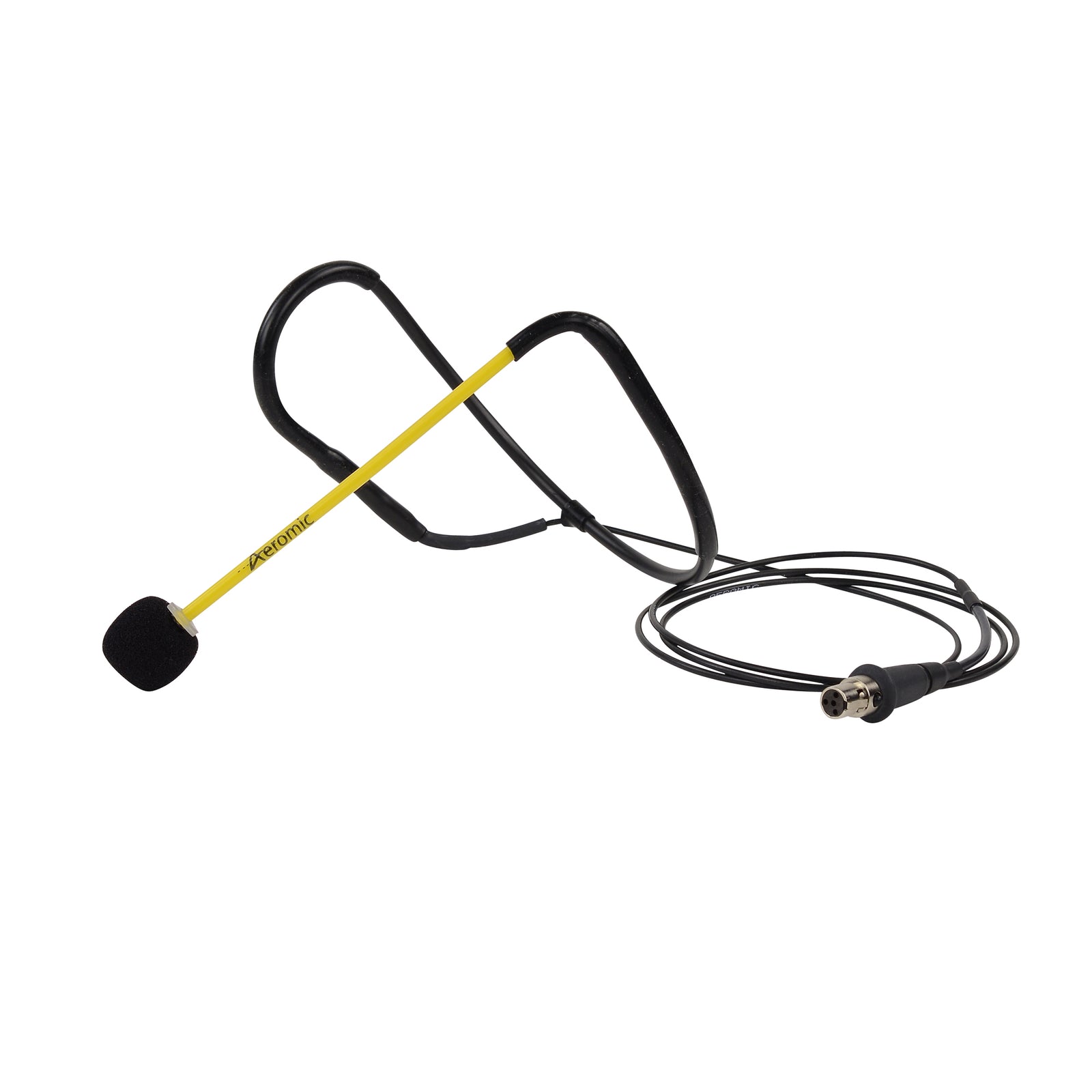
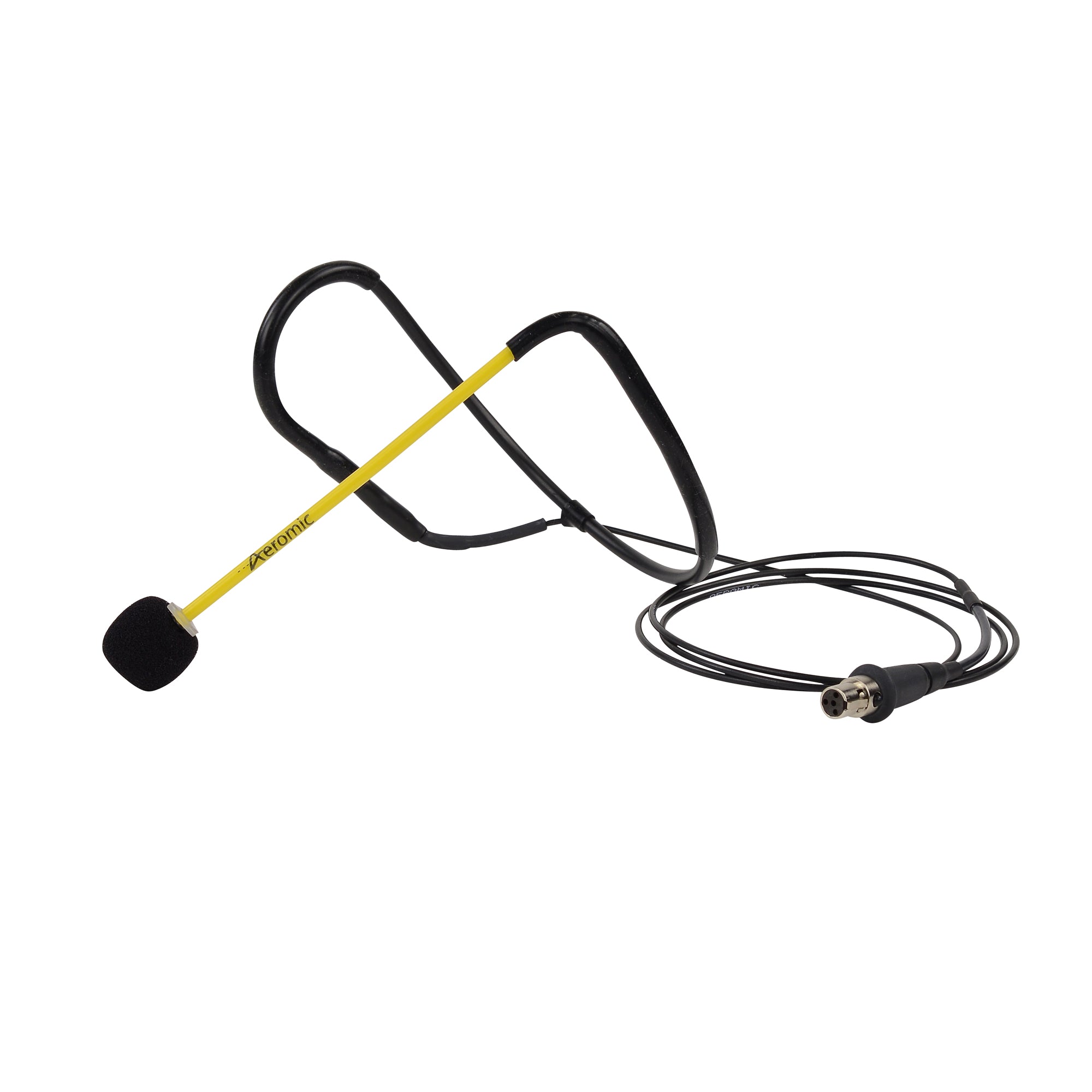
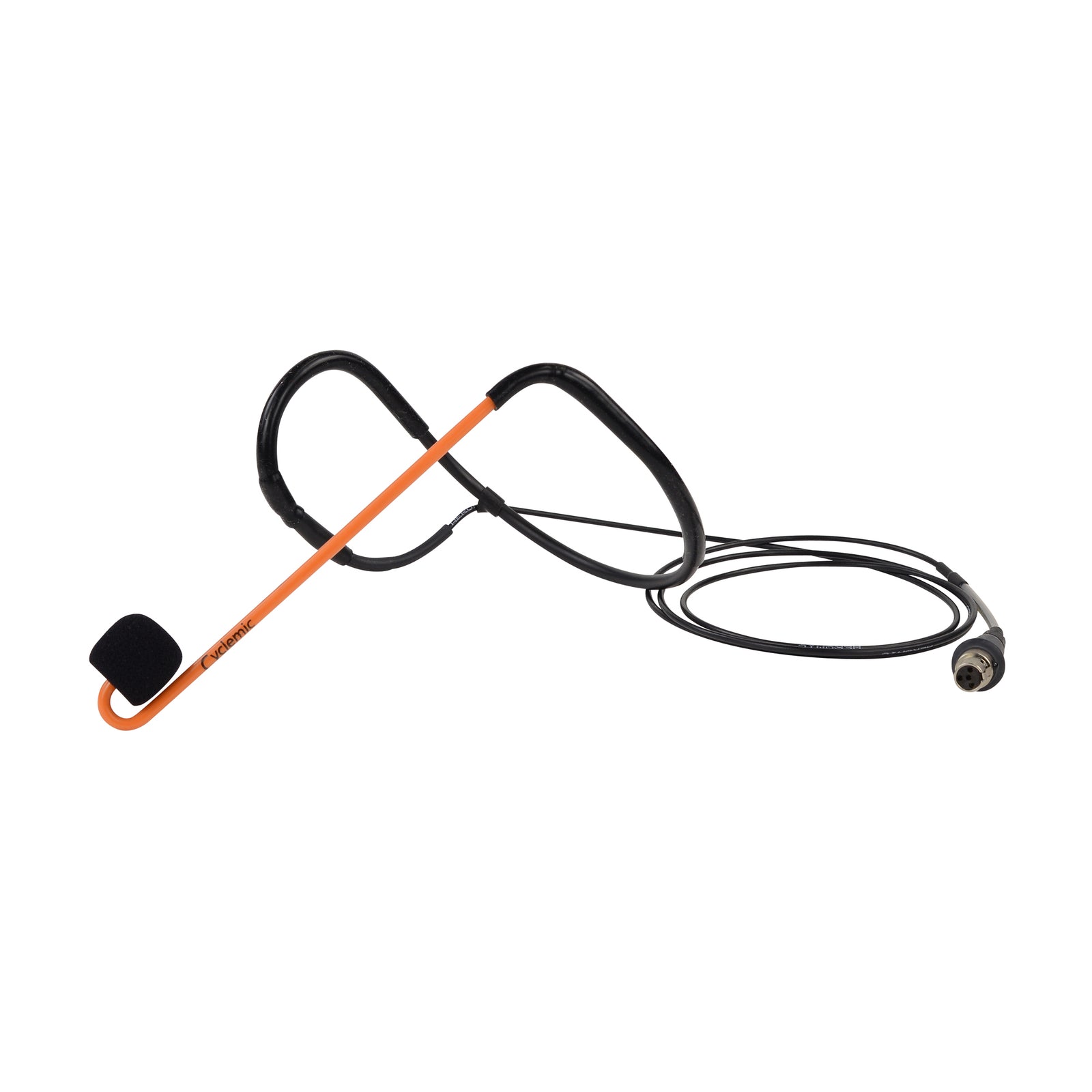
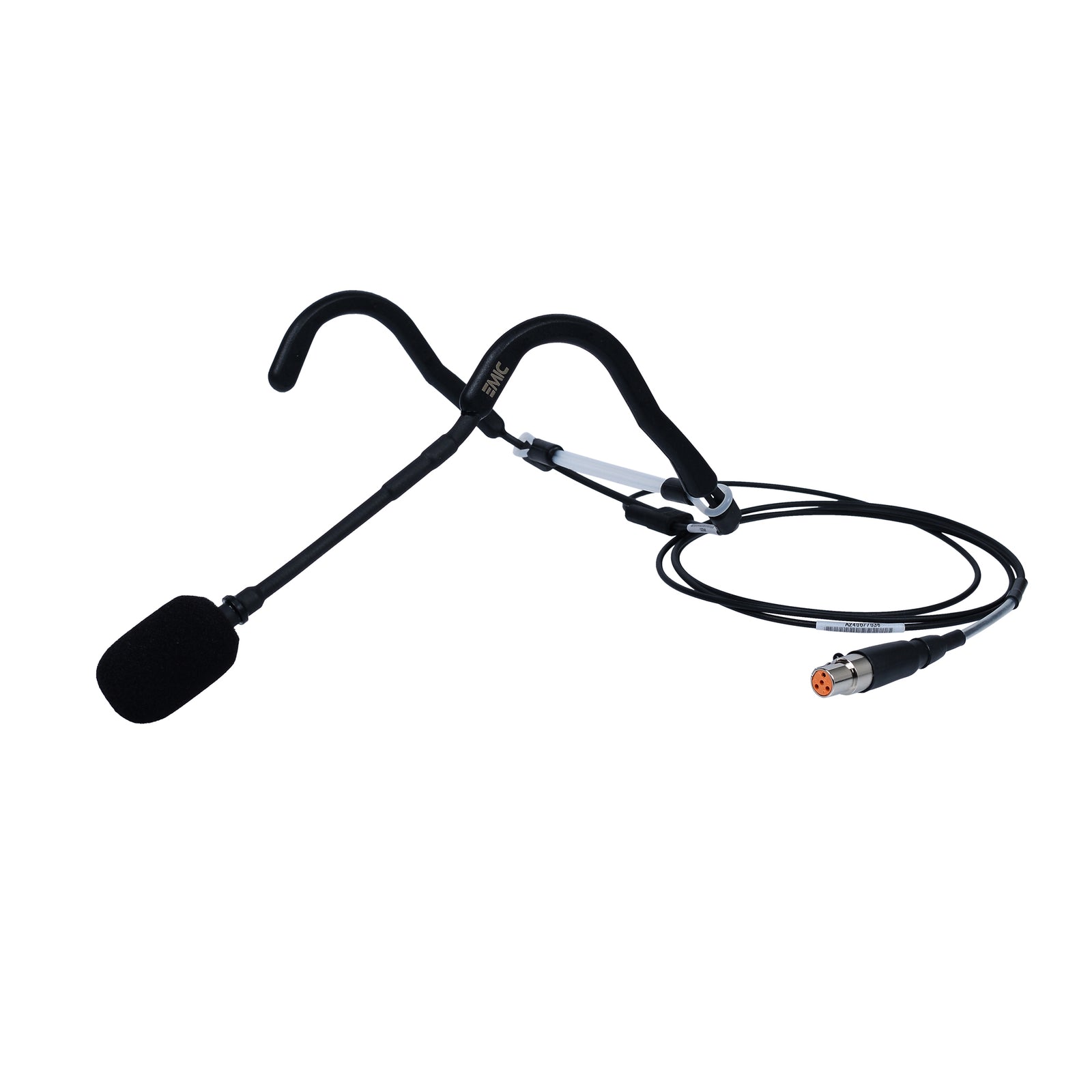
Fitness Audio systems are designed specifically for fitness and group exercise environments, where clarity, durability, and ease of operation are essential. Products such as purpose-built fitness microphones and mixers, along with integrated speaker systems and packaged solutions, are commonly used in these environments to deliver consistent performance across a wide range of facility types.
For developers, this level of reliability is particularly important. Shared amenities must function consistently without requiring technical oversight from building management or tenants. A well-designed audio system reduces the likelihood of complaints and ensures the facility remains an asset rather than an operational burden.
Lighting and Amenity Perception
Lighting plays a significant role in how fitness amenities are perceived by potential buyers or tenants.
Developers are increasingly investing in:
- Modern LED lighting systems
- Zoned lighting for different training areas
- Improved visual presentation of the space
- Energy-efficient solutions
Beyond functionality, lighting contributes heavily to first impressions. A well-lit fitness space feels more premium, safer, and more inviting, while also reinforcing the overall design quality of the development.
In many cases, lighting is used strategically to define different training zones within a single open-plan gym. For example, brighter lighting may be used in strength or cardio areas, while softer lighting may be applied in stretching or recovery zones. This subtle differentiation helps create a more structured and intentional environment.
Lighting also plays a role in photography and marketing. High-quality visual presentation of amenities is often used in promotional materials, and well-designed lighting significantly enhances how these spaces are showcased.
Acoustic Performance in Shared Environments
In residential and mixed-use developments, acoustic control is particularly important due to proximity to other occupied spaces.
Poor acoustic design can result in:
- Noise complaints
- Reduced usability of facilities
- Negative resident feedback
- Increased management issues
Without proper acoustic treatment, sound from a gym can easily transfer into adjacent apartments, corridors, or shared areas. This is especially common in buildings where fitness spaces are located on upper levels or near quiet zones.
Acoustic treatment and careful AV design help mitigate these risks by controlling sound within the gym space and reducing unwanted transmission to surrounding areas. This may include a combination of material selection, speaker placement strategies, and system calibration to ensure sound remains contained and balanced.
When combined with a well-designed audio system, acoustic control contributes to a more refined and comfortable environment for users, while also protecting the broader building experience.
Integration with Building Design
Developers are increasingly working with AV specialists earlier in the design process to ensure systems are properly integrated.
This allows for:
- Better speaker placement planning
- Improved acoustic outcomes
- More efficient lighting layouts
- Reduced retrofit costs
- Greater design consistency
Early-stage collaboration is particularly valuable in complex developments where structural constraints, ceiling heights, and material choices can all impact system performance.
At Fitness Audio, early-stage involvement in development projects helps ensure that sound and lighting systems are aligned with architectural intent and operational requirements. This approach reduces the need for costly modifications later in the construction process and helps ensure that the finished space performs as intended from day one.
It also allows developers to future-proof their amenities by selecting systems that are scalable, easy to maintain, and suitable for long-term use in high-traffic environments.
Operational Efficiency and Reliability
Another key driver for investment in AV systems is operational simplicity.
Developers and building managers require systems that are:
Easy to operate
Reliable over long periods
Low maintenance
Suitable for non-technical users
In shared environments, systems are often used by a wide range of occupants, meaning they must be intuitive and consistent in performance. Complex or fragile systems can create unnecessary management challenges and increase the likelihood of misuse or downtime.
Commercial-grade fitness AV systems are designed to meet these requirements, reducing ongoing management complexity. Equipment such as fitness-specific microphones, compact mixers, and integrated speaker packages are built for durability and straightforward operation, ensuring that staff or residents can use the system with minimal instruction.
This reliability is particularly important in residential developments, where facility managers are responsible for maintaining multiple shared amenities across a building or portfolio.
Final Consideration
Investment in gym AV is increasing because developers recognise its impact on both user experience and property performance.
Sound, lighting, and acoustic design are now seen as essential components of modern fitness amenities rather than optional enhancements.
As expectations continue to rise, the difference between a standard gym and a premium wellness space is increasingly defined by how these systems work together to create a cohesive and enjoyable environment.
At Fitness Audio, we continue to support developers in delivering integrated AV solutions that improve the functionality, reliability, and overall perception of fitness and wellness spaces within their projects.
By focusing on the complete sensory experience rather than equipment alone, developers can create fitness amenities that not only meet expectations but actively enhance the value and appeal of the wider development.