

Group fitness timetables rarely stand still. Instructors take leave, cover shifts, move between studios and occasionally need to change their plans at short notice. For gym owners and facility managers, these changes can create operational challenges, particularly when different instructors rely on the same audio equipment.
A well-planned audio setup can help make these transitions easier. When equipment is organised, controls are straightforward and staff understand how the system operates, a substitute instructor can focus on delivering a great class rather than troubleshooting unfamiliar technology.
Fitness Audio supplies fitness microphones, wireless microphone systems, mixers and sound system packages designed for fitness environments. By considering how staff changes affect your facility, you can make practical decisions that support consistent classes and reduce unnecessary disruption.
Make Equipment Easy for Every Instructor to Use
An audio system may work perfectly for a regular instructor who knows its settings and connections. However, that same system can become difficult to operate when someone unfamiliar with the setup takes over.
Consider how easily a substitute instructor can identify the correct microphone, connect their music source and adjust the relevant volume controls. If these steps depend on verbal instructions from another staff member, the process may become complicated when schedules are busy.
Simple operational measures can make a difference. Keep instructions accessible, label relevant connections where appropriate and ensure instructors know which controls they are expected to use. A brief introduction to the system can also help new team members feel more confident before their first class.
For facilities that use separate microphones for different instructors, it is particularly important to establish which equipment belongs to each system. Fitness Audio offers wireless microphone products and packages, including the DX6 2.4GHz Digital Wireless Mic System and the UTX16 Belt Pack Wireless Mic Package. The appropriate choice depends on the existing setup, compatibility requirements and how the equipment will be used.
The goal is to make everyday operation as straightforward as possible, regardless of who is teaching.
Establish a Consistent Microphone Handover Process
When instructors share a studio, equipment handovers should be treated as part of the facility's normal operating procedure. Without a consistent approach, microphones may be misplaced, transmitters may be left switched on, or equipment may not be ready for the next session.
A simple handover process can help staff prepare for changes between classes. Consider establishing a routine that includes:
- Confirming which microphone and transmitter are assigned to the incoming instructor.
- Checking that the headset, transmitter and receiver are compatible.
- Ensuring batteries are adequately charged or suitable replacements are available.
- Confirming that the microphone is producing a clear signal through the sound system.
- Returning shared equipment to its designated storage location after use.
- Reporting any faults or unusual behaviour before the next class begins.
These steps do not need to take long. Their value comes from consistency, particularly in facilities where several instructors use the same room throughout the day.
A dedicated storage arrangement can also make equipment easier to locate. Fitness Audio offers products such as the Fitness Audio Microphone Case, which can help keep suitable microphone equipment together when it is not in use.
Plan for Different Instructors and Teaching Styles
Not every instructor uses audio equipment in exactly the same way. Some may teach high-energy classes that involve considerable movement, while others lead sessions that rely on a more measured delivery. A facility's equipment should suit its intended applications and remain compatible with the requirements of the people using it.
When reviewing your setup, consider the variety of classes on your timetable and whether instructors require different microphone arrangements. For example, cycling instructors may benefit from equipment selected for the demands of studio cycling, while other group exercise instructors may need a headset suited to their own teaching style.
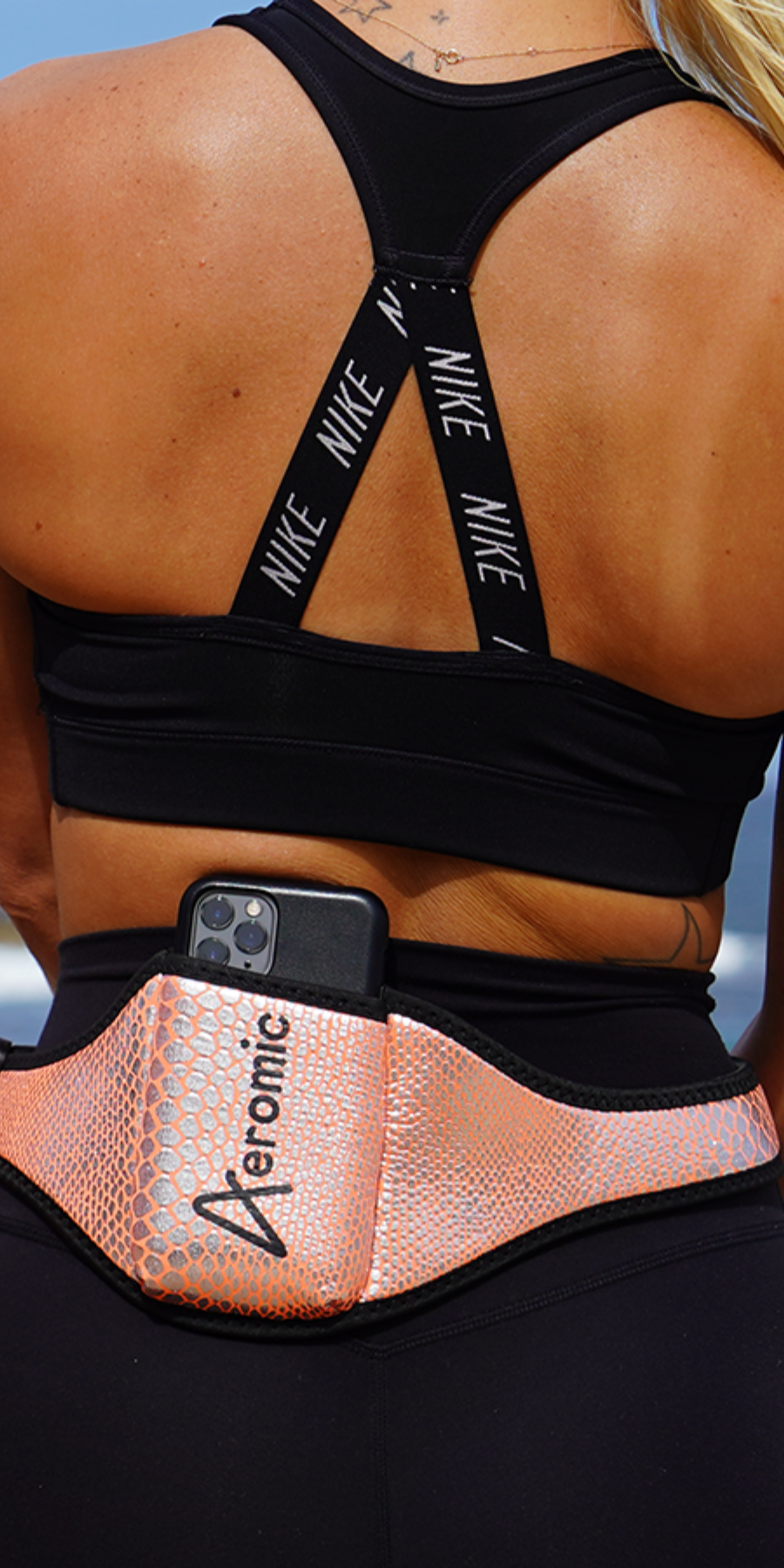
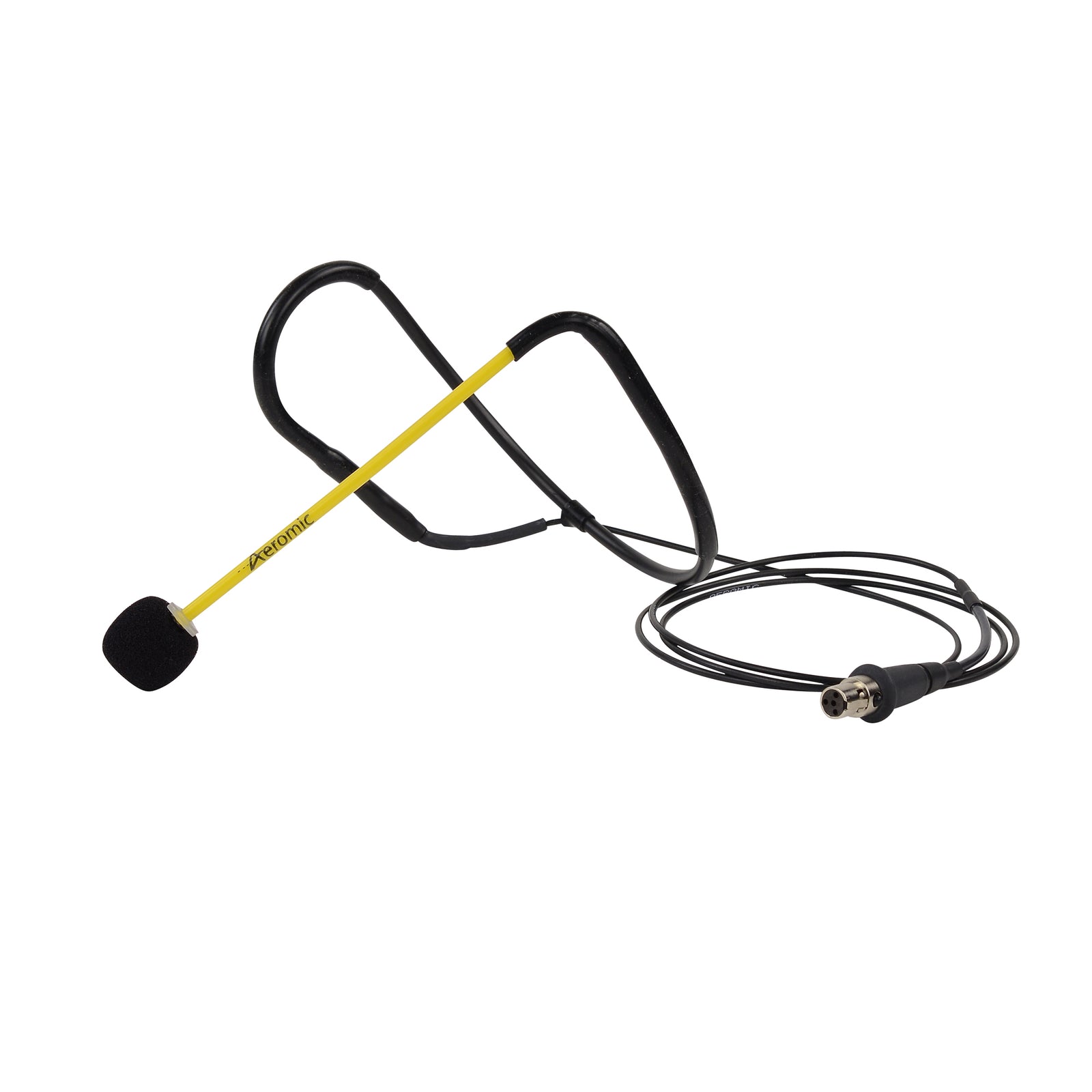
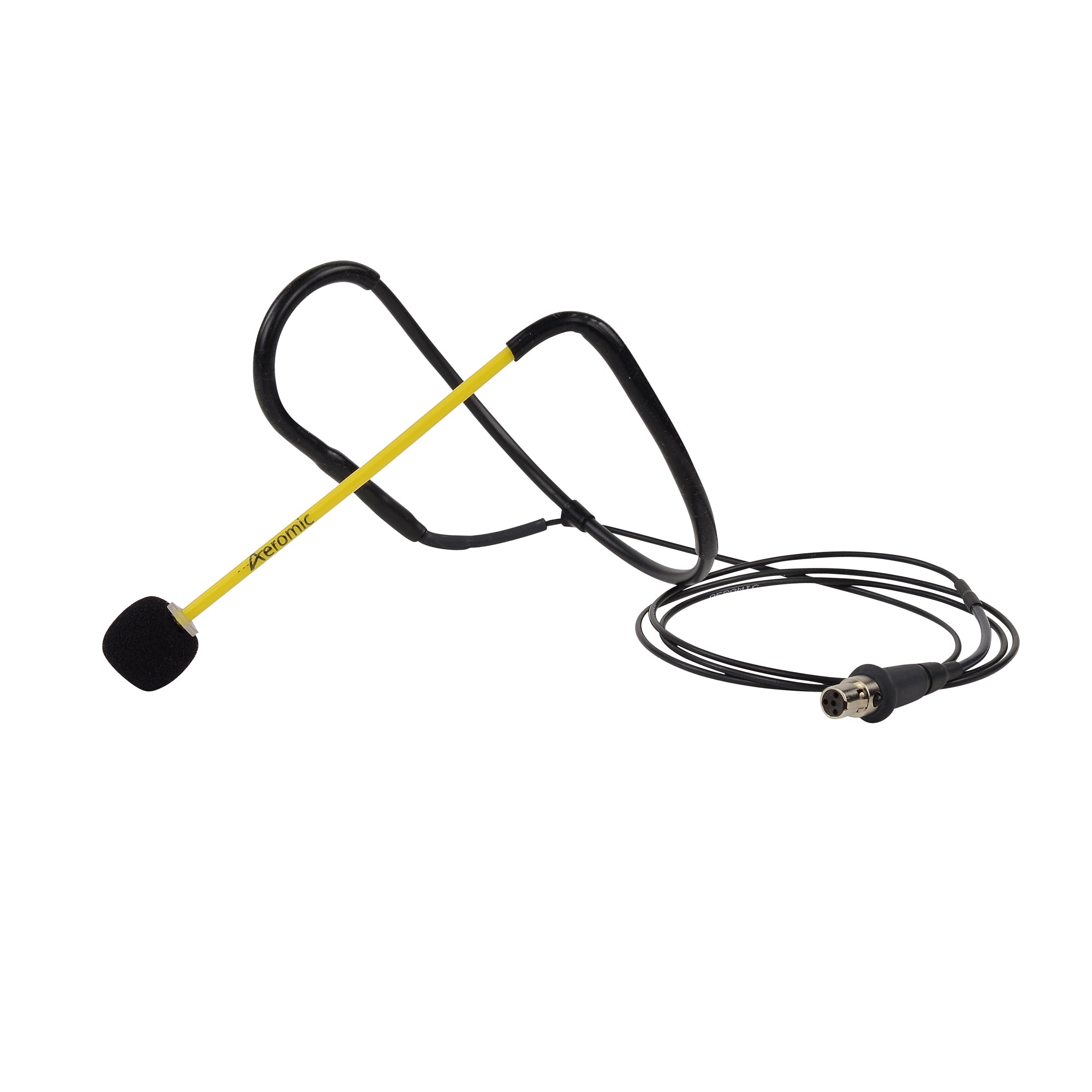
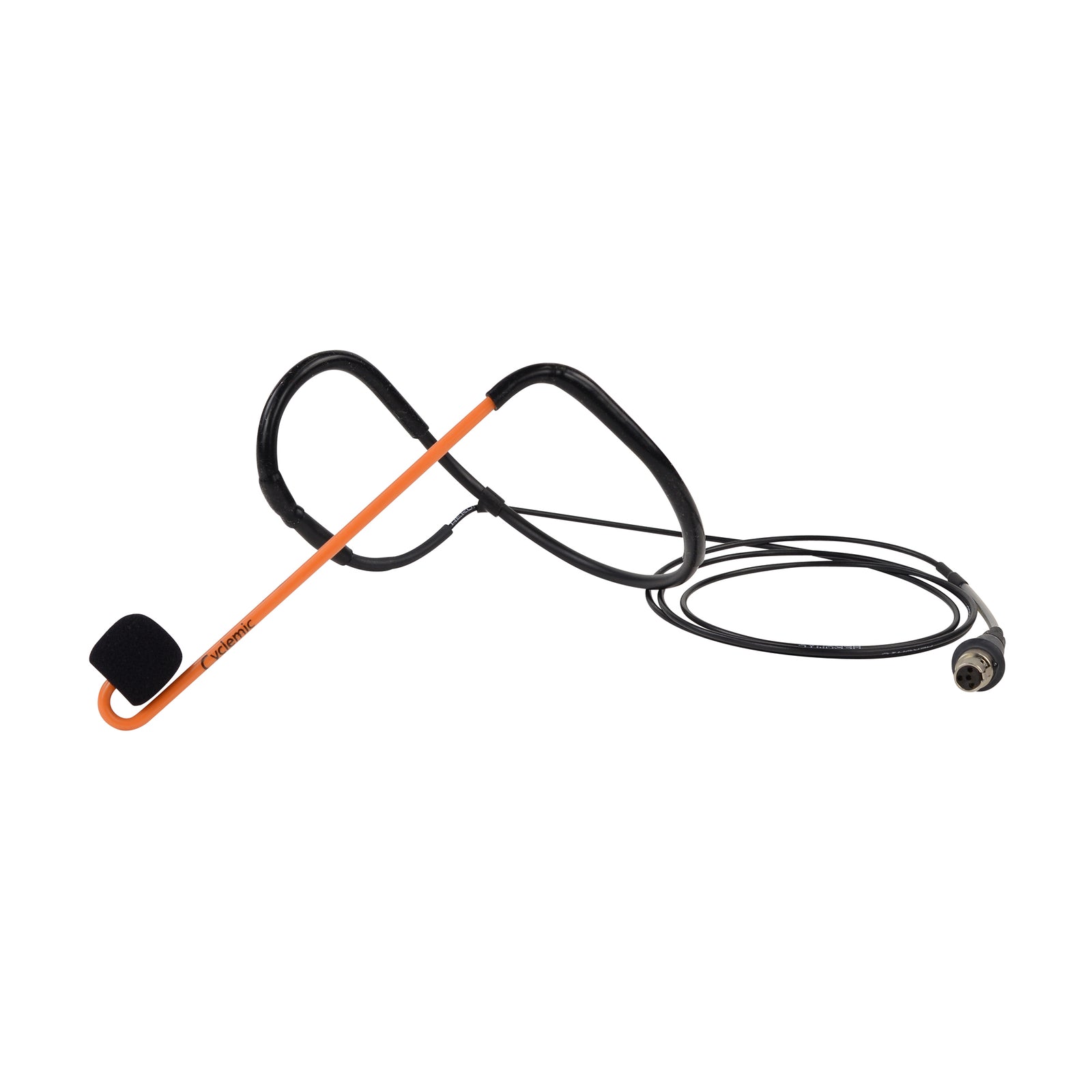
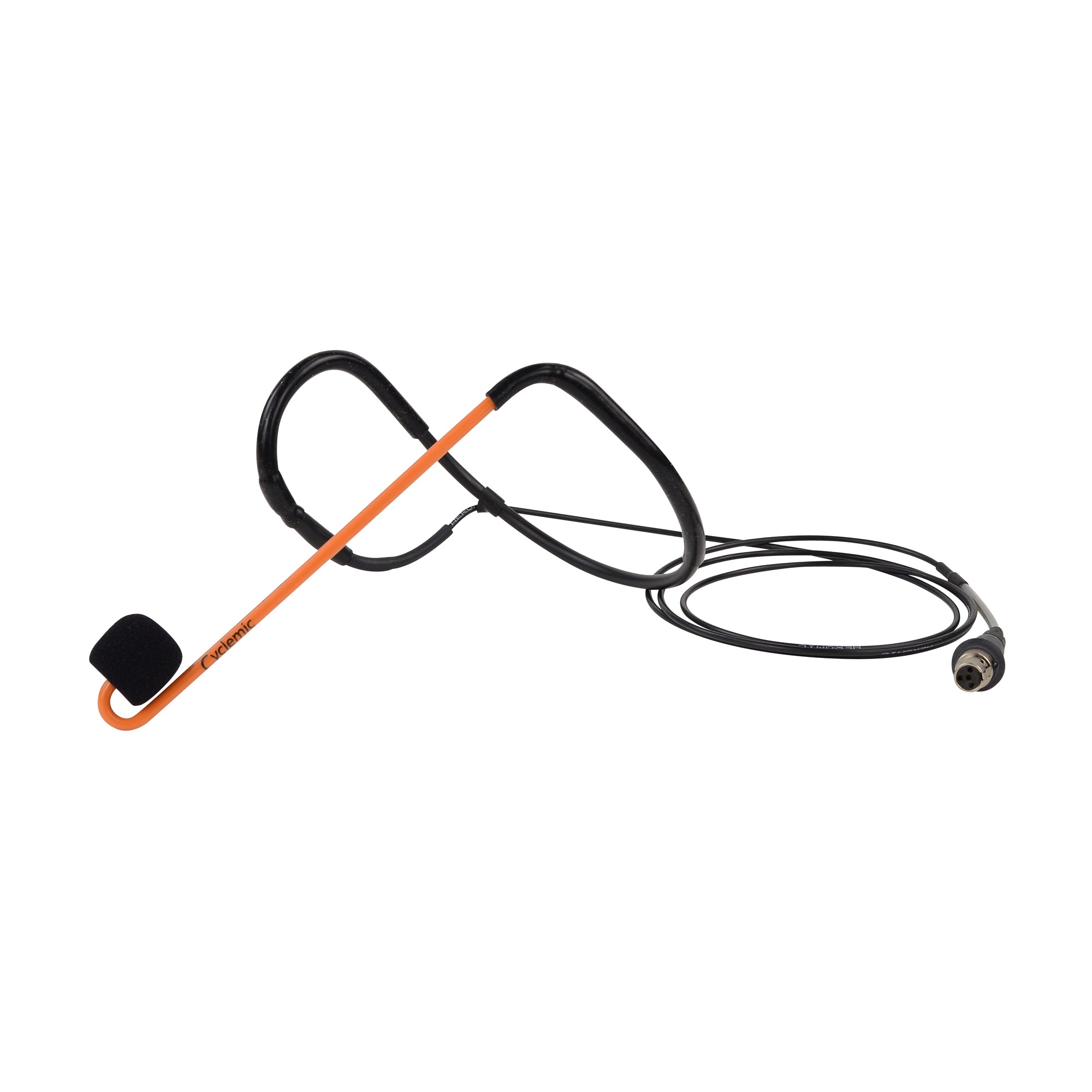
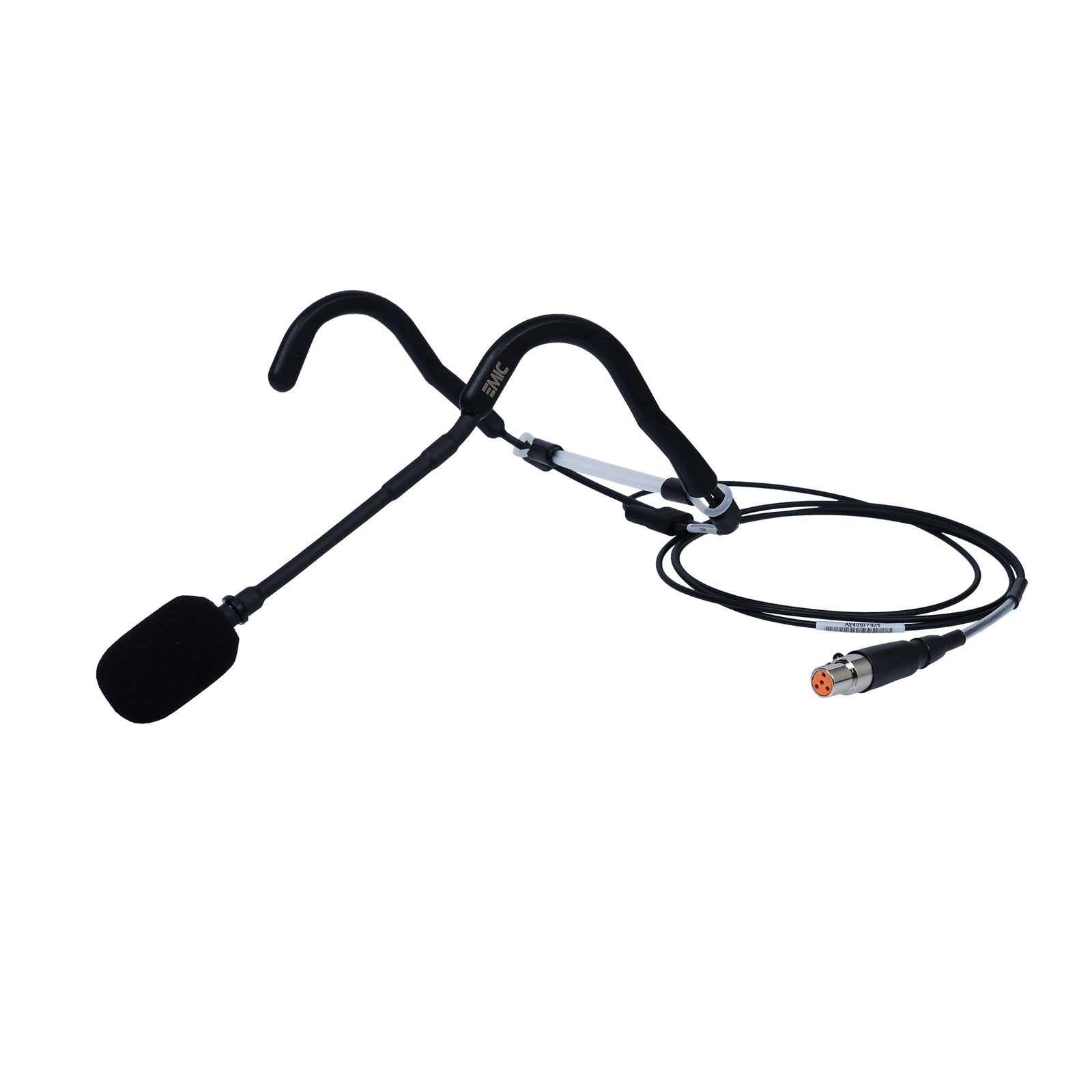
Fitness Audio offers the Cyclemic for Studio Cycling Instructors, the Aeromic Fitness Headmic and The EMic. Each has a different intended use, so it is worth discussing your instructors' workloads and existing wireless equipment before selecting a product.
It is also important to verify transmitter and receiver compatibility rather than assuming that any wireless microphone will work with any system. Establishing suitable equipment combinations in advance can reduce confusion when instructors change.
For gyms with several teaching spaces, documenting the equipment assigned to each studio can help staff identify the correct setup quickly.
Reduce Dependence on One Person's Technical Knowledge
In some facilities, one experienced instructor or staff member becomes the person everyone contacts when the sound system needs adjusting. While that knowledge is valuable, depending entirely on one individual can create problems when they are unavailable.
A more resilient approach is to make essential operating information accessible to the whole team. This does not mean every instructor needs to become an audio technician. Instead, staff should understand routine tasks and recognise when a problem requires additional assistance.
Consider creating a short reference guide covering the location of equipment, basic startup procedures, approved connections, volume controls and the process for reporting faults. New instructors can be shown these procedures during their induction, while existing staff can refer to the same instructions whenever needed.
If the audio system is consistently difficult to operate, it may also be worth reviewing whether the current configuration suits the facility's staffing arrangements. A system designed around a single experienced operator may not be the most practical choice for a busy studio with frequent instructor changes.
Fitness Audio offers equipment ranging from individual wireless microphone components to complete group fitness sound system packages. Reviewing your operational requirements with a Fitness Audio specialist can help identify whether a different configuration would better support your team.
Prepare for Last-Minute Changes
Staff absences and timetable adjustments are not always predictable. Having a straightforward contingency plan can help a facility respond without unnecessary stress.
Keep track of spare equipment, maintain a clear process for reporting faults and ensure substitute instructors know who to contact if they encounter an unfamiliar issue. Where appropriate, identify a staff member who can provide basic technical assistance without relying on the regular instructor being present.
It is also useful to test shared equipment periodically rather than waiting until a substitute teacher arrives to discover a problem. Routine checks can help identify issues before they interrupt a scheduled class.
Importantly, avoid introducing unfamiliar equipment or making major system adjustments immediately before a busy session unless necessary. Familiarity and preparation are often more valuable than last-minute changes.
Create a More Reliable Experience for Staff and Members
Instructor changes are a normal part of operating a fitness facility. With clear procedures, organised equipment and appropriate audio solutions, they do not need to become a source of avoidable disruption.
From establishing consistent microphone handovers to documenting basic operating instructions, small improvements can make a shared studio easier to manage. Selecting equipment that suits your instructors and verifying compatibility across the system can provide an additional layer of confidence.
Fitness Audio offers fitness microphones, wireless systems, mixers and group exercise sound system packages to suit a range of environments. If your facility regularly accommodates substitute instructors or multiple teaching teams, reviewing your current setup is a useful starting point.
A well-organised audio system supports more than the technology itself. It helps instructors concentrate on their classes, allows staff to manage changes more confidently and contributes to a more consistent experience for members.