

For many years, the fitness industry was dominated by large commercial gyms filled with rows of cardio equipment, expansive weight floors and an extensive timetable of classes. While these facilities continue to play an important role in the market, another segment has experienced remarkable growth over the past decade: boutique fitness studios.
Across Australia and around the world, smaller, specialised studios are attracting loyal communities by offering highly personalised experiences centred around a specific style of training. Whether it's cycling, Pilates, strength training, yoga, boxing or functional fitness, boutique studios have demonstrated that success isn't determined by square metres alone.
Instead, they're proving that carefully designed spaces, engaging instruction and memorable member experiences can have an even greater impact than size.
The Shift Towards Experience-Driven Fitness
Today's members are looking for more than somewhere to exercise. Increasingly, they're seeking environments that feel welcoming, motivating and tailored to their individual goals.
Boutique studios have embraced this shift by focusing on the overall experience rather than simply providing access to equipment. Every aspect of the member journey is carefully considered - from the moment someone walks through the front door to the final minutes of class.
The layout of the studio, the lighting, the music, the coaching style and even the flow between classes all contribute to an experience that feels intentional.
This attention to detail helps create a strong emotional connection with members, encouraging them to return not just because they enjoy the workout, but because they enjoy the environment.
Specialisation Creates Stronger Identity
One of the greatest strengths of boutique fitness is its ability to specialise.
Rather than trying to cater to every type of exercise, boutique studios often focus on doing one or two things exceptionally well. This clear identity makes it easier for members to understand what the studio offers and what sets it apart.
For studio owners, this focused approach also influences how the space is designed. Equipment, room layout and technology can all be selected to support a specific style of training rather than accommodating a broad range of unrelated activities.
The result is a space that feels cohesive and purpose-built, creating a stronger impression on members from their very first visit.
Smaller Spaces Encourage Stronger Communities
Perhaps one of the biggest advantages of boutique studios is the sense of community they naturally create.
With smaller class sizes, instructors have more opportunities to interact with participants, remember names and provide individual encouragement. Members often become familiar with one another, creating a welcoming atmosphere that can be difficult to replicate in larger facilities.
This sense of belonging is increasingly valuable within the fitness industry. Research consistently shows that people are more likely to maintain healthy habits when they feel connected to a community and supported by those around them.
For many boutique studios, this community becomes one of their greatest competitive advantages.
Every Design Decision Matters
In a smaller studio, every square metre serves a purpose.
Space needs to be functional, comfortable and adaptable without feeling crowded. Careful planning allows studios to maximise capacity while maintaining a high-quality member experience.
Technology also plays an important role. Because boutique spaces often rely heavily on instructor-led classes, clear communication is essential. Music needs to energise the room without overpowering the instructor, while participants need to hear cues clearly regardless of where they are positioned.
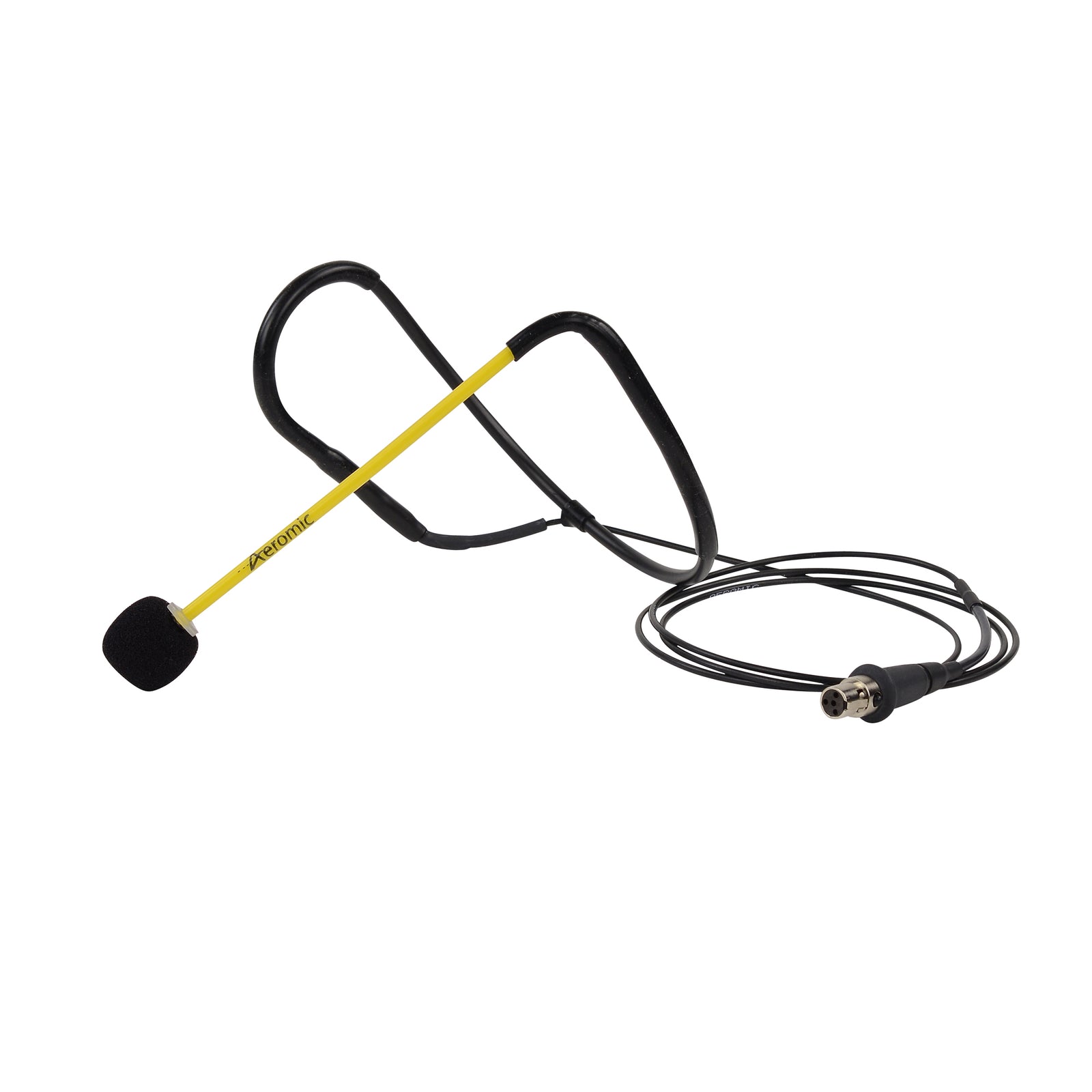
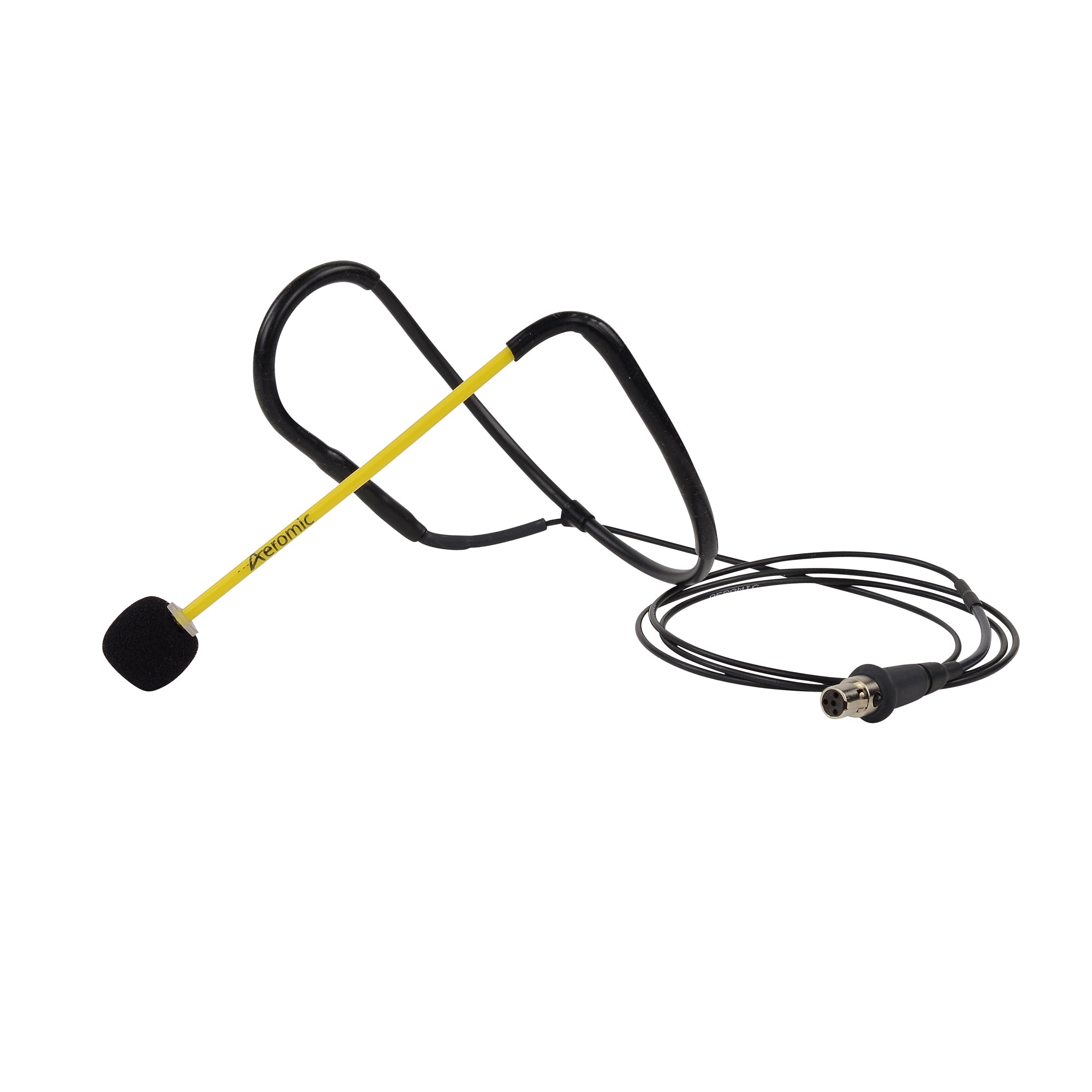
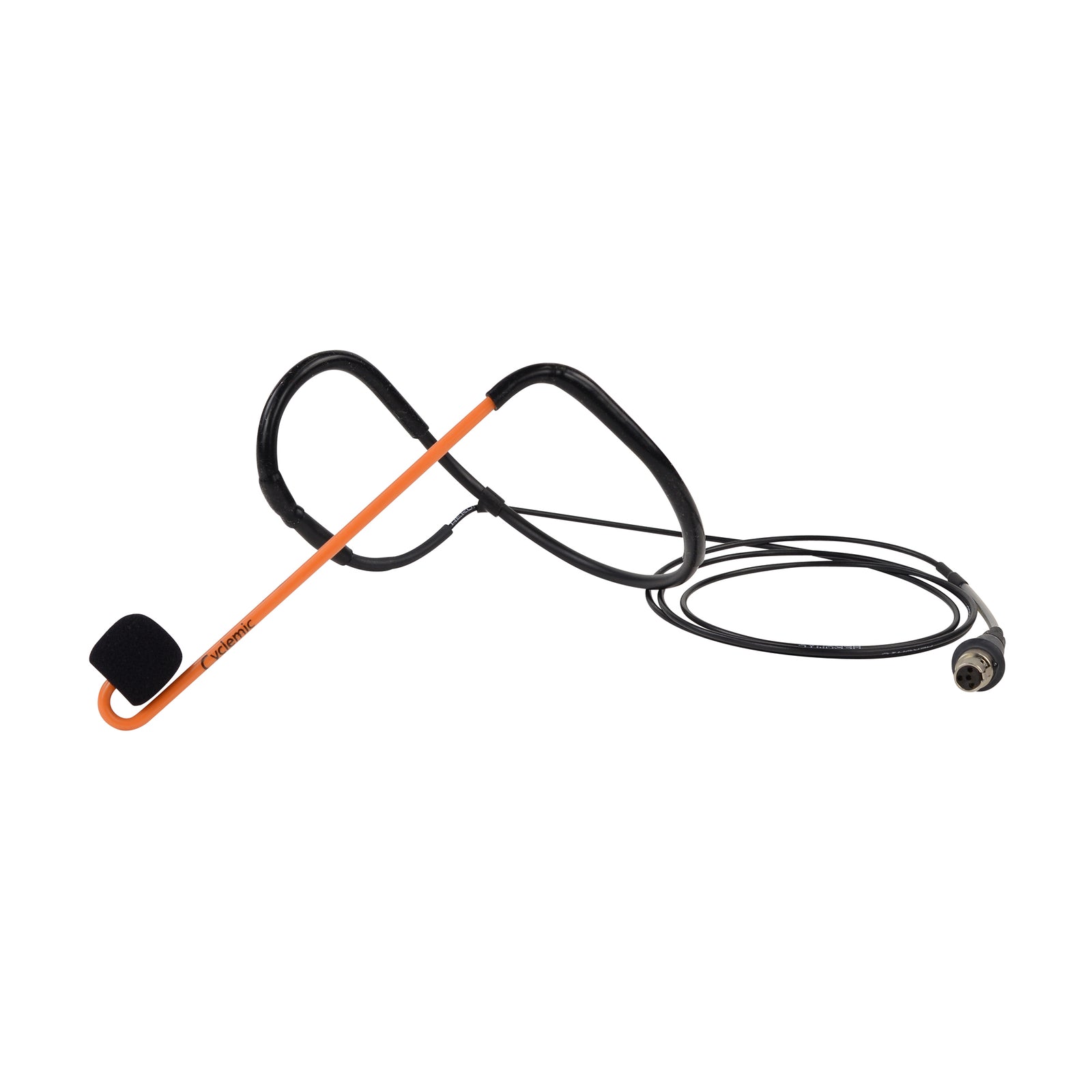
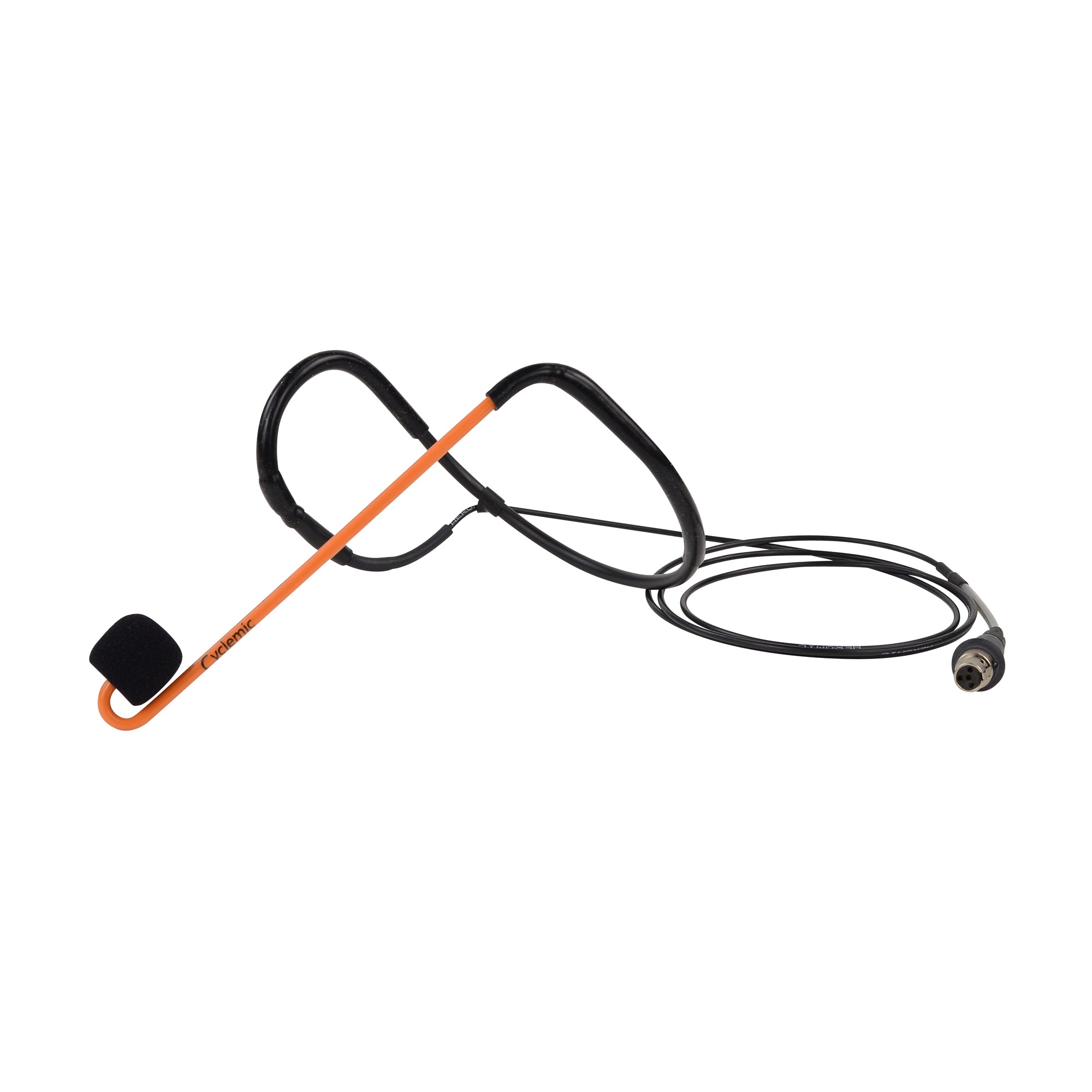
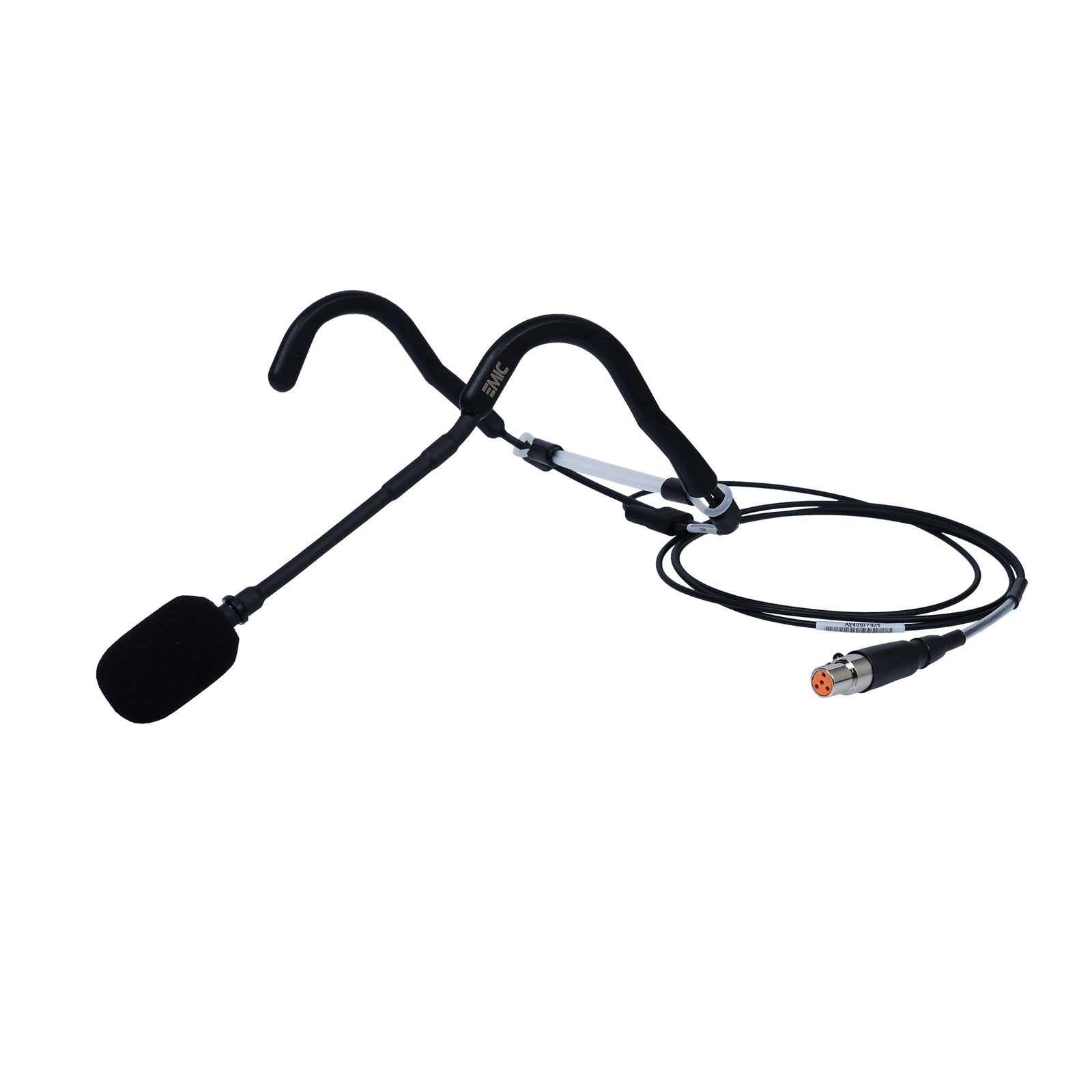
Purpose-built solutions, such as the Aeromic Fitness Headmic, Cyclemic or EMic, help instructors communicate naturally while moving freely throughout the studio. Combined with a professionally designed commercial sound system, these tools support a smoother, more immersive class experience.
Rather than dominating the room, technology should work quietly in the background, allowing instructors and members to remain focused on the workout.
Flexibility Supports Long-Term Growth
Although boutique studios are often smaller than traditional gyms, they still need to remain adaptable.
Many operators offer different class formats throughout the day, transforming the same space from a morning strength session to an afternoon Pilates class or an evening cycling workout.
Creating this flexibility requires thoughtful planning. Lighting, audio and equipment should support a variety of training styles without requiring lengthy setup between sessions.
Choosing commercial-grade solutions that are designed specifically for fitness environments can help studios maintain consistent performance as programming evolves and member expectations continue to grow.
Boutique Doesn't Mean Basic
One common misconception is that smaller studios require less sophisticated infrastructure than larger gyms.
In reality, boutique operators often place greater emphasis on creating premium experiences because every class contributes directly to their reputation. Members expect seamless sessions, professional presentation and reliable equipment every time they attend.
From acoustics and sound quality to lighting and instructor communication, every detail influences how members perceive the business.
Rather than competing on size, boutique studios compete on quality - and that often means investing carefully in the elements that shape the overall experience.
Lessons Larger Facilities Can Learn
The success of boutique fitness has influenced the broader industry, with many larger gyms introducing dedicated studio concepts, specialised training zones and smaller group experiences within their facilities.
The lesson is clear: people value environments that feel purposeful, engaging and community-focused.
Whether operating a boutique studio or a large multi-purpose gym, creating memorable experiences often comes down to understanding how members interact with the space. Clear communication, thoughtful design and an environment that supports both instructors and participants all contribute to that experience.
It's Not About Size - It's About Experience
Boutique fitness studios have shown that exceptional member experiences don't require enormous facilities. Instead, they are created through thoughtful planning, strong communities, expert instruction and environments designed with purpose.
As the fitness industry continues to evolve, members will continue seeking spaces where they feel motivated, connected and supported. Studios that focus on delivering these experiences - regardless of their size - will be well positioned to stand out in an increasingly competitive market. Ultimately, success isn't measured by the size of the facility. It's measured by the quality of the experience members take with them every time they leave.