

In a bustling gym or fitness studio, the energy never stops. From one class to the next, from one exercise to another, the transitions are just as important as the workouts themselves. Whether it’s a switch between high-energy cardio and a slow-paced stretch or a change from a spinning class to yoga, how those moments are handled can make all the difference in the overall experience. That’s where Audio-Visual (AV) systems come into play.
The Role of AV in Fitness Environments
A well-designed AV system is about more than just playing music or projecting a video; it’s about creating an atmosphere that supports both the physical and mental aspects of a workout. In fitness studios, particularly during transitions between exercises or classes, the right sound and lighting can completely transform a member's experience. Properly synchronised sound and lighting can guide members through a seamless flow, maintaining momentum, focus, and motivation from one exercise to the next.
For example, during high-intensity workouts, a carefully selected playlist can elevate energy levels and maintain motivation. On the flip side, during transitions or cooldowns, audio and lighting can ease members into a more relaxed state, aiding in recovery. These moments of change, when members move from one activity to the next, are critical for maintaining engagement and ensuring a smooth, enjoyable experience.
Why Transitions Matter
Transitions between exercises and classes are often overlooked, but they are a key component in creating a polished, professional environment. In a fast-paced setting, especially in group fitness classes or studios, these moments can easily feel abrupt, leaving members disoriented or disengaged. However, a thoughtfully executed transition can make all the difference.
Imagine the experience of finishing an intense HIIT session, only to suddenly be plunged into a quiet yoga class with jarring music and harsh lighting. It’s a stark contrast that can leave participants struggling to adjust. Alternatively, a well-designed transition, where the tempo of the music shifts seamlessly, and the lighting gradually dims, will ease the mind and body into the slower pace. It helps set the tone, calming the members and preparing them for the next phase of their workout.
AV Systems: Synchronising Sound and Light for Seamless Transitions
One of the main roles of an AV system is to manage sound and lighting, ensuring they work in harmony to guide members through each phase of their workout. Whether you’re transitioning between exercises in a single class or between different classes, an effective AV setup ensures a seamless shift.
1. Sound: The Heartbeat of Transitions
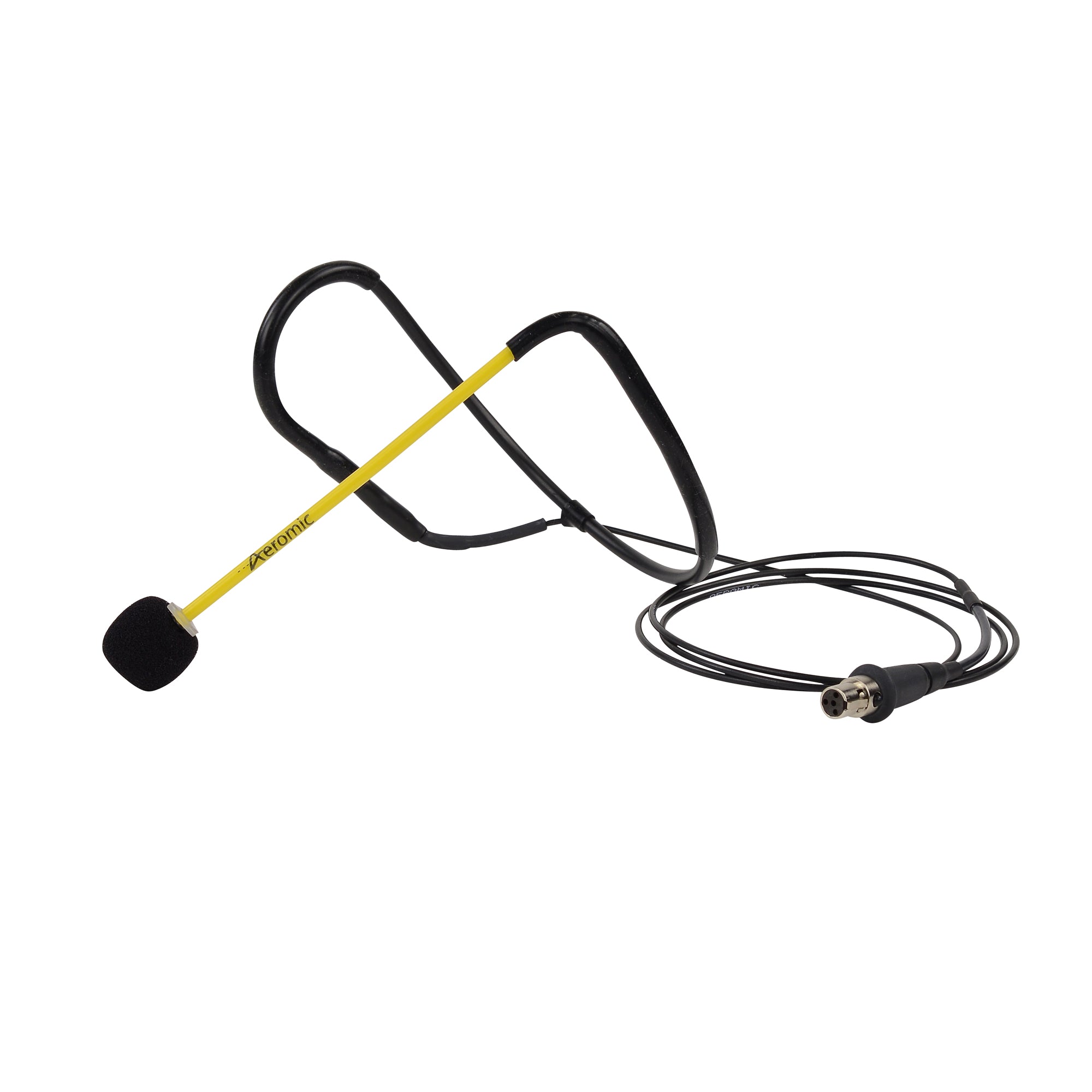
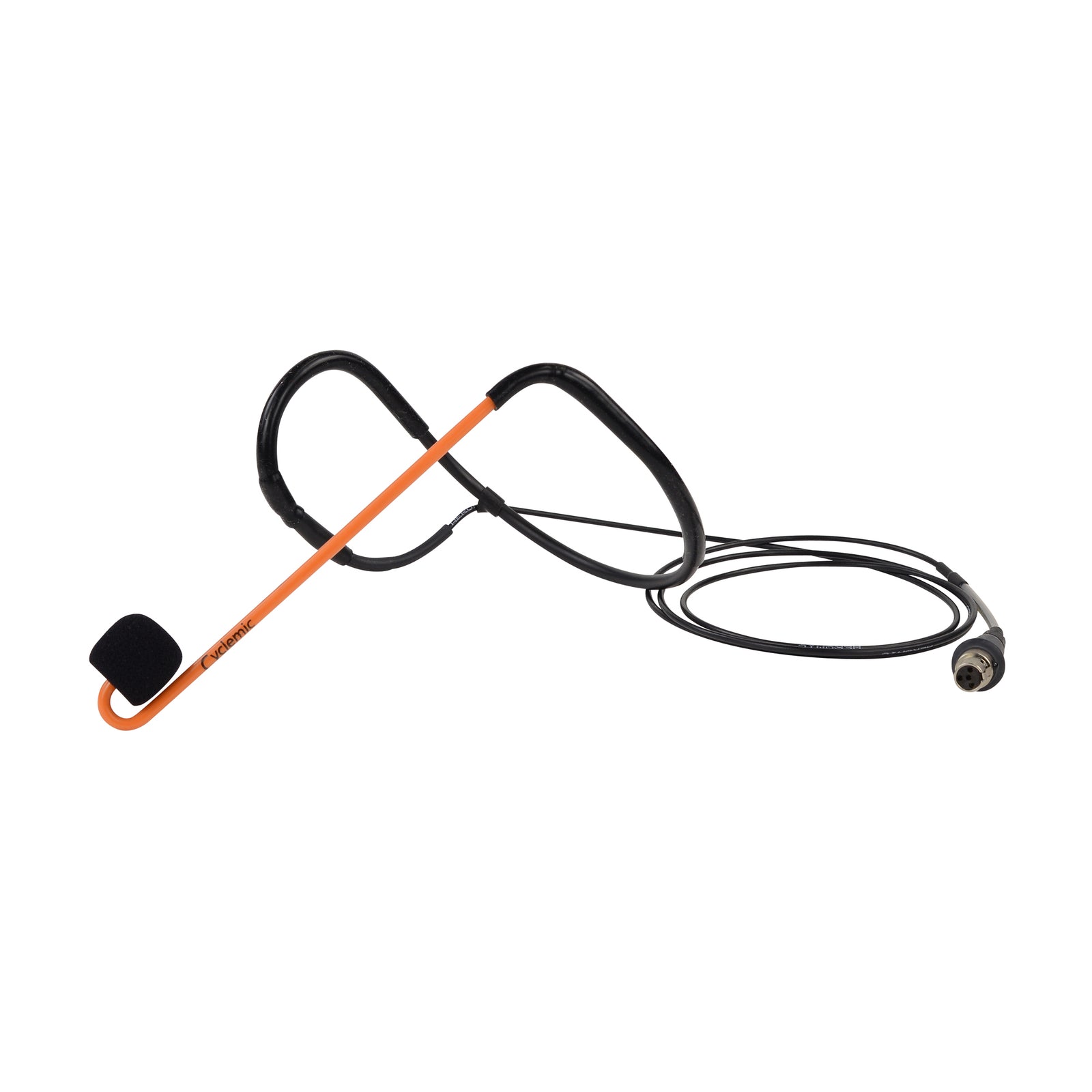
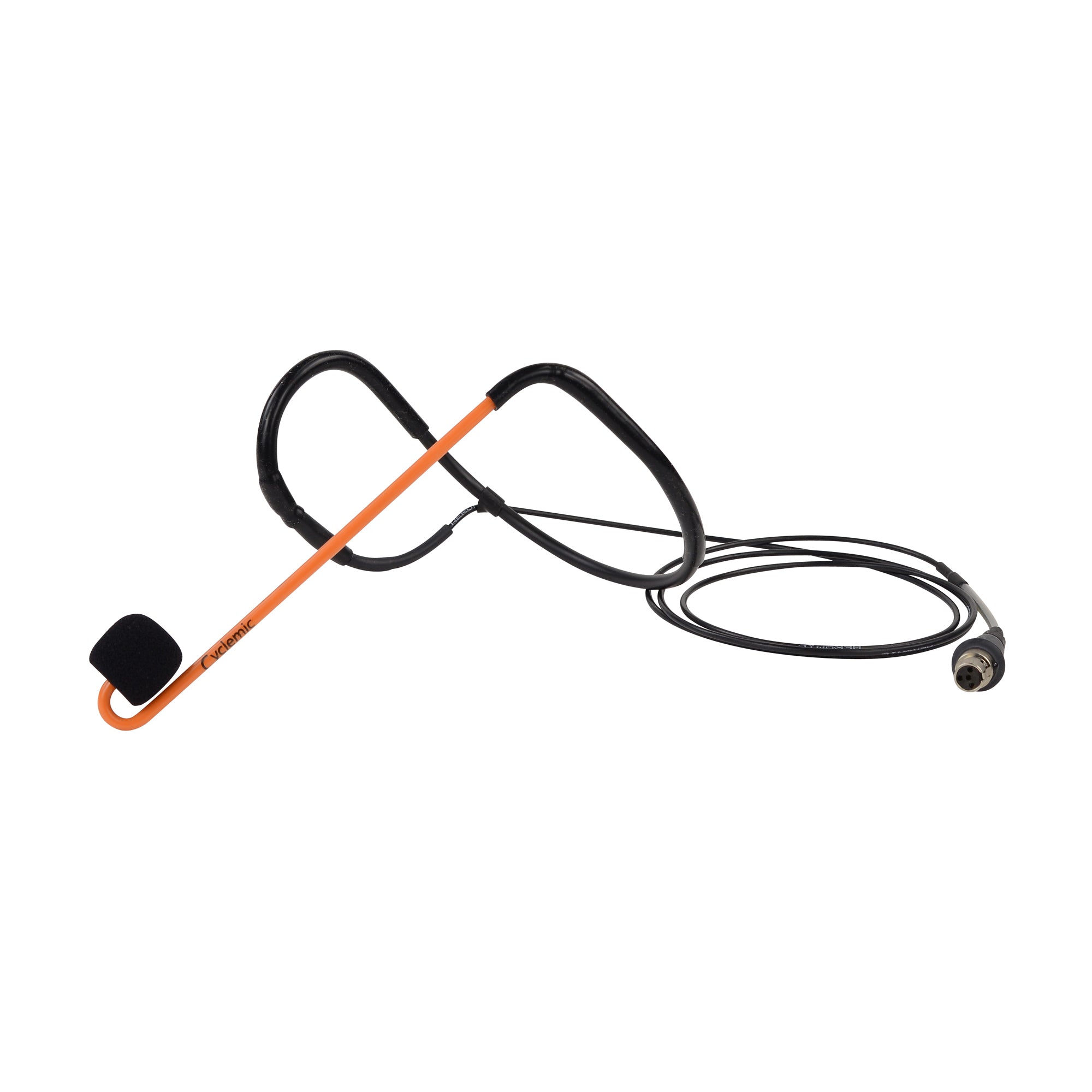
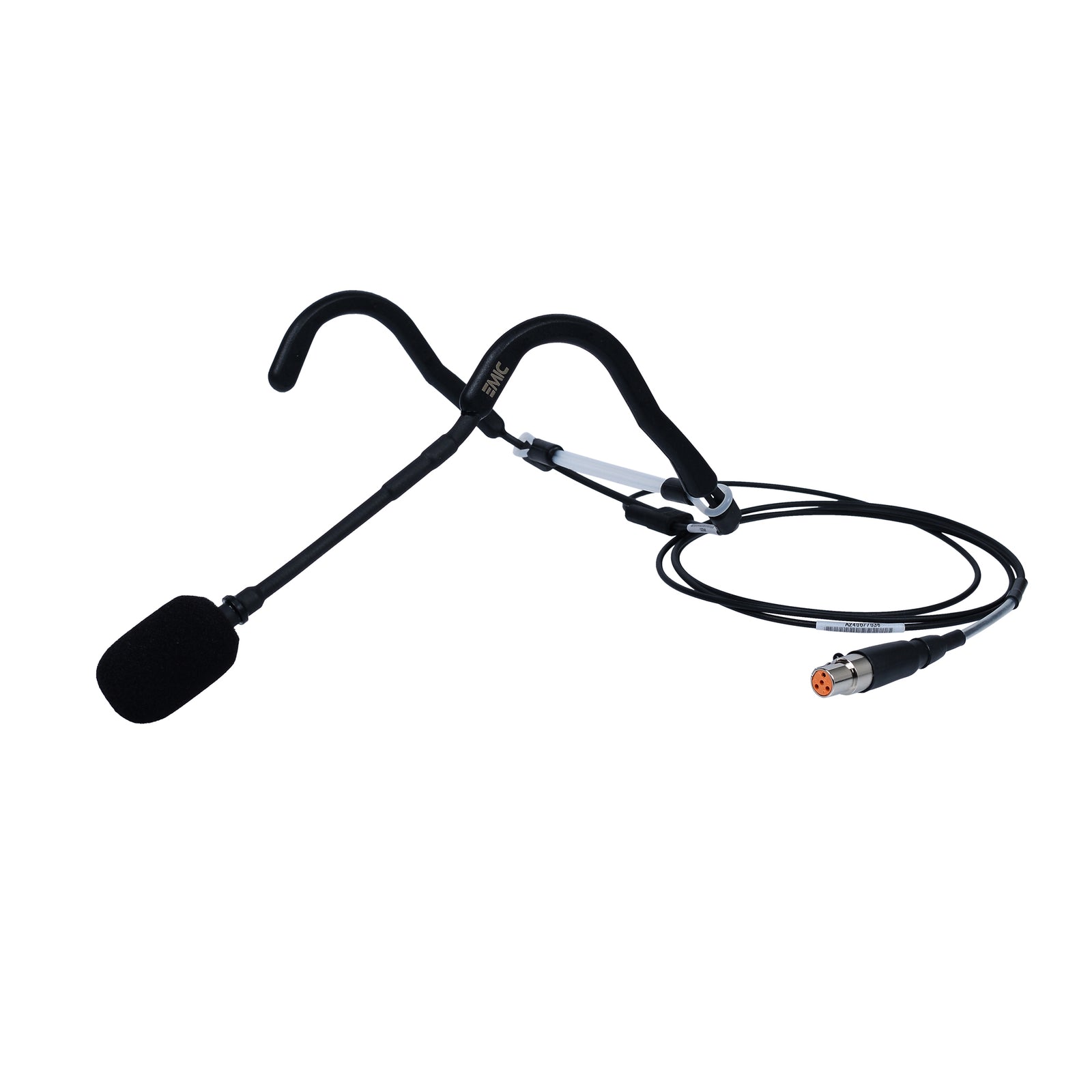
Sound plays a pivotal role in the way people experience transitions. Consider a scenario where an instructor is guiding a class from one exercise to another. Without clear audio cues, members might miss critical instructions or find it difficult to follow along, disrupting the flow of the class. A good fitness sound system ensures that the instructor’s voice is heard clearly over the music, while also allowing the music itself to support the rhythm of the workout.
During transitions, audio systems can be programmed to adjust the volume and tempo to suit the changing activity. For example, as the intensity of a session shifts, the music can subtly slow down, signalling to participants that the pace is changing. This sound adjustment, whether through tempo changes or shifts in genre, helps members mentally prepare for what’s next, whether it’s a calm stretch or an intense round of squats.
2. Lighting: Creating Atmosphere for Every Phase
While sound engages the ears, lighting stimulates the visual senses and creates atmosphere. Lighting can drastically alter the mood in any fitness environment, and when synchronised with the sound, it enhances the overall experience.
When transitioning between exercises or classes, the lighting system should work in tandem with the audio to create the right ambience. For example, during a cardio workout, bright, energetic lighting can amplify the high intensity. As the session moves toward a cool-down period, dimming the lights or shifting to softer, warmer hues creates a relaxing environment that signals to the body and mind that it's time to wind down. This visual cue, paired with calming music, aids in relaxation and recovery.
3. Guiding Members with Visual Cues
In addition to sound and lighting, visual cues, such as instructional videos or countdown timers, can be integrated into the AV system to guide members through transitions. These visual elements can offer timing cues, postures, or instructions for the next set of exercises. Having a screen or projector in the gym can also help the instructor demonstrate exercises clearly, making transitions from one movement to another easier to follow.
The Impact of Well-Designed AV Systems
-
Improved Focus: Seamless transitions, guided by synchronised sound and lighting, allow members to stay focused on the workout at hand. They’re less likely to feel distracted or disoriented, allowing for a more effective session.
-
Enhanced Member Engagement: When music, lighting, and visual cues are used thoughtfully during transitions, they help maintain the energy and engagement levels of members. Instead of feeling like they're "waiting" for the next phase, they remain involved in the process.
-
Creating a Memorable Experience: Memorable workouts aren’t just about the exercises; they’re about the whole atmosphere. The way sound and lighting support transitions can create a unique, immersive experience that keeps members coming back.
- Professionalism and Brand Image: A gym that invests in a high-quality AV system is sending a clear message to members: that they care about the details and are committed to providing a superior experience. It helps create a professional, high-end vibe that sets the gym apart from the competition.
Conclusion
In the world of fitness, the moments that matter often occur between the exercises, in the transitions. These are the moments when the rhythm, flow, and atmosphere of the workout are defined. By integrating a high-quality, synchronised AV system, gyms and fitness studios can enhance these transitions, ensuring a seamless, engaging, and effective experience for all members. Investing in the right sound and lighting solutions not only improves the workout experience but also boosts member retention, engagement, and satisfaction, leading to a more successful gym overall.
In the end, it’s the thoughtful, well-timed transitions that make a great fitness experience truly stand out, and with the right AV system, your gym can elevate every moment, keeping your members coming back for more.