

Fitness instructors are the heartbeat of any gym or studio. They motivate, educate, and create the energy that keeps members engaged and coming back. Yet in many fitness spaces, instructors are carrying an invisible burden, one that has nothing to do with programming or coaching ability, and everything to do with poorly designed audio-visual (AV) environments.
When AV systems are not designed specifically for fitness, instructors are forced to compensate. Over time, this creates unnecessary physical strain, mental fatigue, and a diminished class experience for both instructors and members.
When technology works against the instructor
Instructors should be able to focus entirely on coaching, connection, and movement. However, in poorly designed spaces, they often become unofficial sound technicians.
Common issues include inconsistent audio levels, microphones that cut out, music that overpowers verbal cues, or screens that are difficult to see or operate mid-class. Each of these problems demands attention, pulling instructors out of the flow of their session and away from their participants.
This constant troubleshooting adds cognitive load. Instructors must think about volume, timing, and equipment functionality while simultaneously coaching form, managing energy, and engaging the room. Over time, this multitasking increases stress and reduces job satisfaction.
The physical toll of poor audio
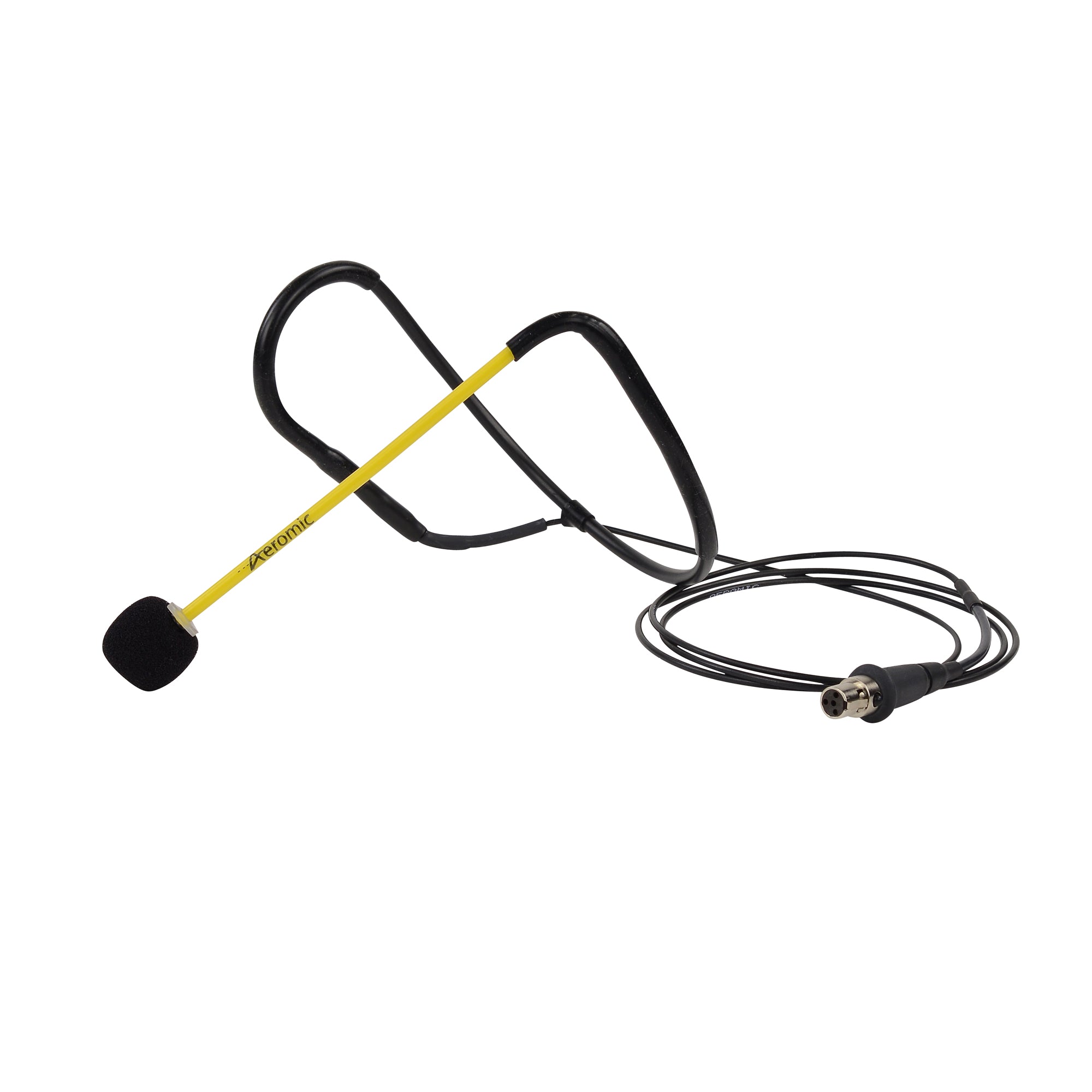
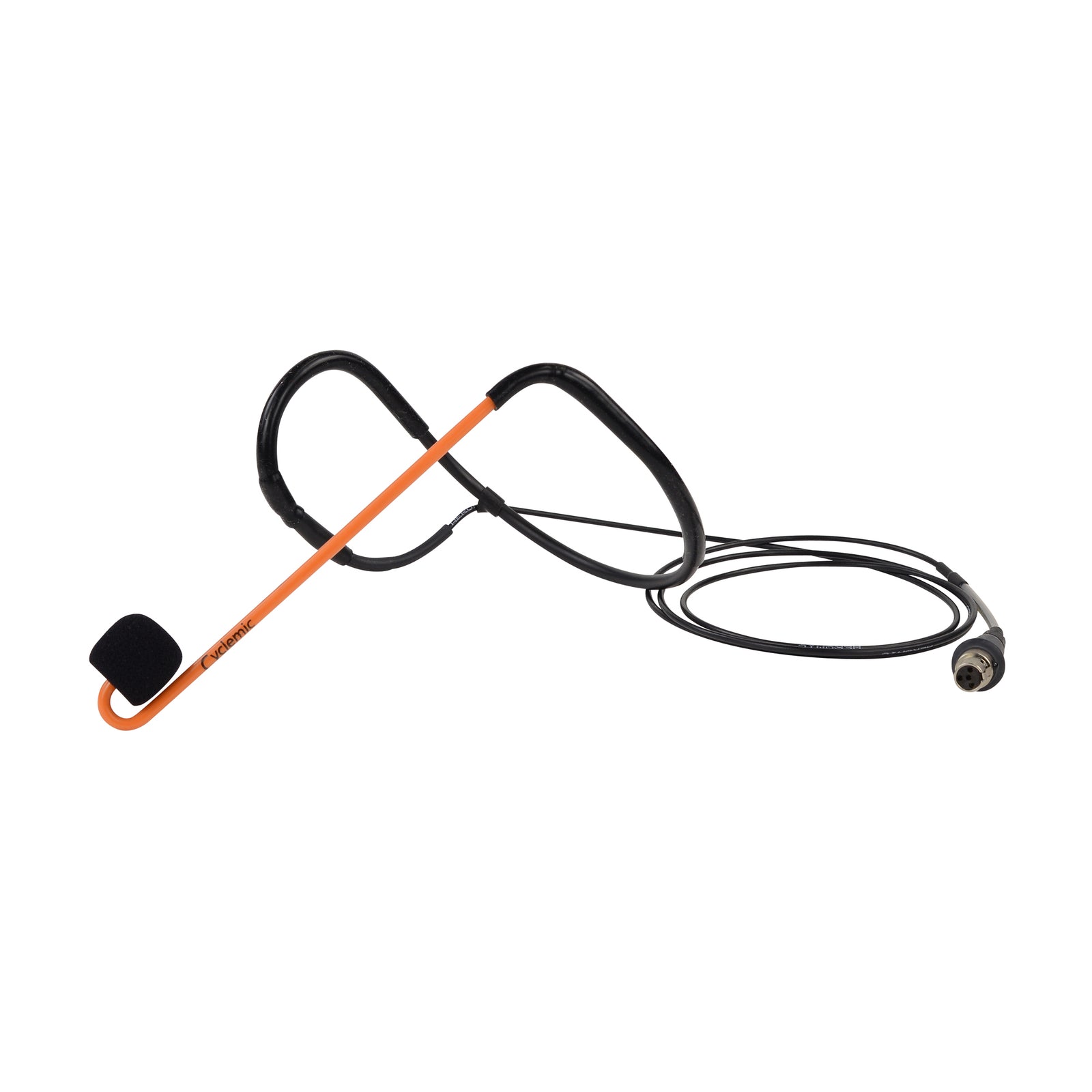
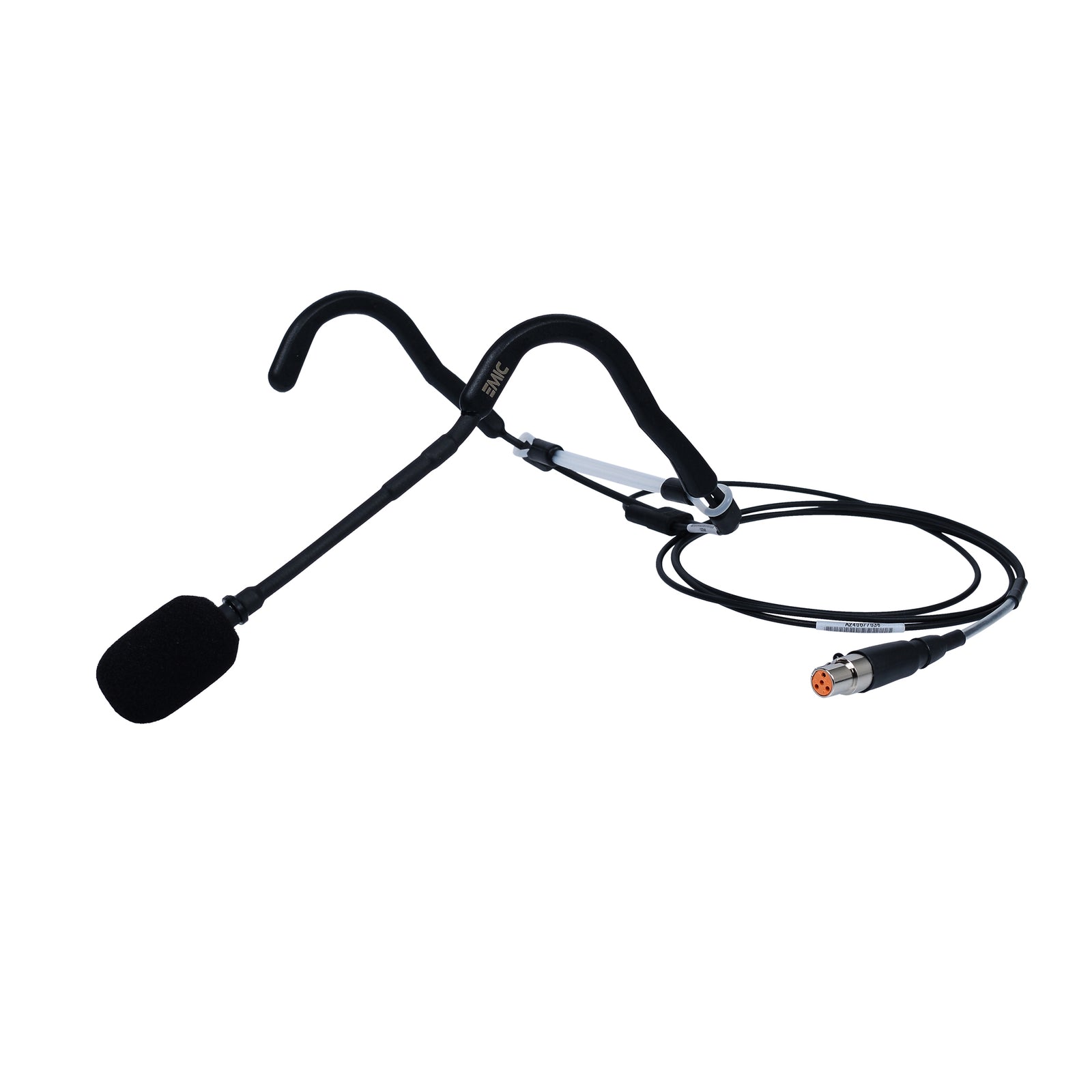
One of the most significant impacts of inadequate AV design is vocal strain. When sound systems lack clarity or even coverage, instructors often compensate by raising their voice. Repeated classes taught over loud music without proper microphone support can lead to hoarseness, vocal fatigue, and long-term voice damage.
This is not just an inconvenience; it is an occupational health issue. An instructor’s voice is one of their most valuable tools. When AV systems fail to support clear communication, instructors are effectively sacrificing their own well-being to keep classes running smoothly.
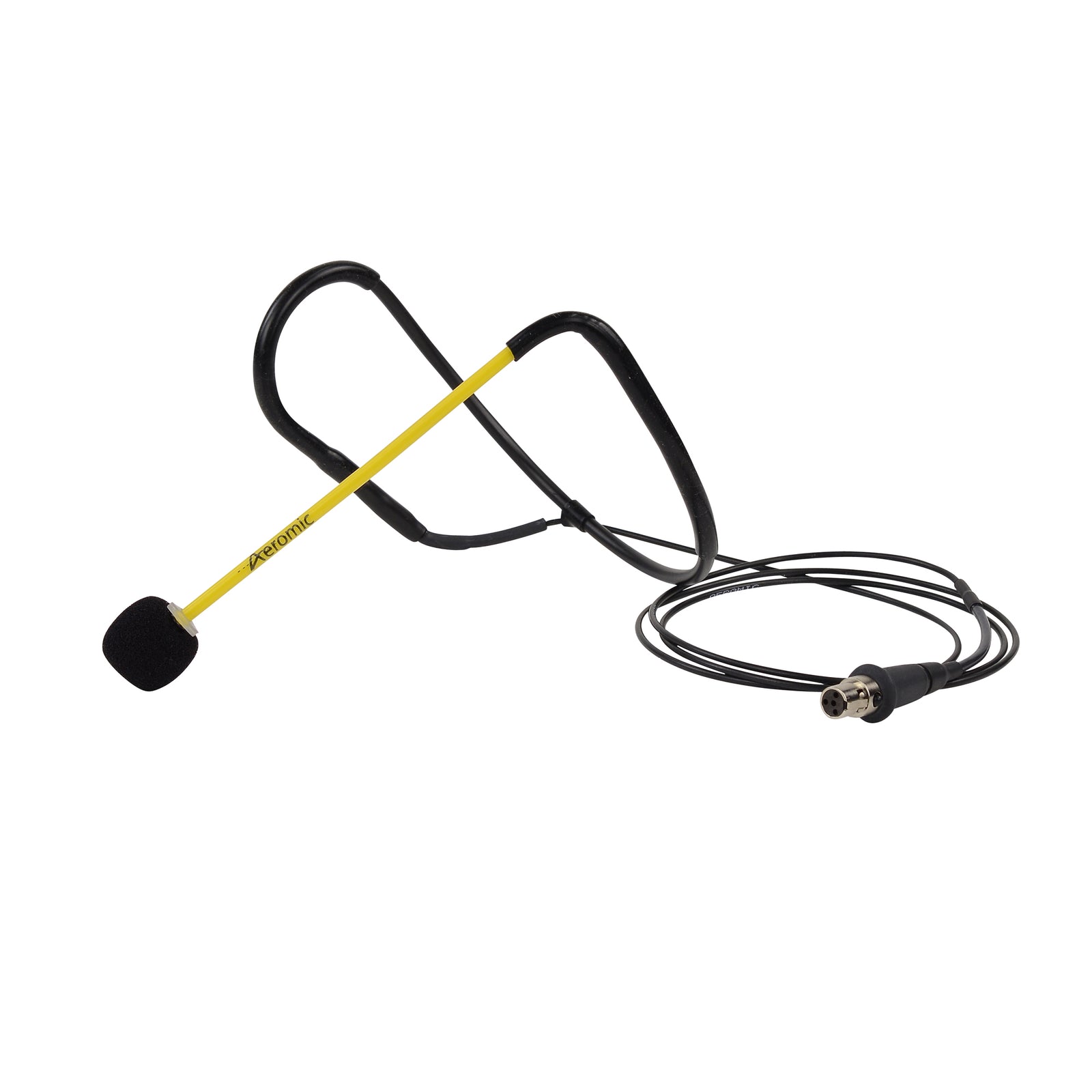
Fitness Audio addresses this issue by designing sound systems that prioritise speech intelligibility alongside music performance. When instructors can speak naturally and still be heard clearly, they can coach more effectively and sustainably.
Visual distractions and added pressure
Audio is only one part of the equation. Poor visual design can also increase instructor workload. Screens positioned at awkward angles, unreliable display connections, or overly complex control systems create unnecessary friction during classes.
Instructors may need to stop sessions to adjust visuals, restart playlists, or fix connections of moments that disrupt momentum and break member immersion. These interruptions reflect poorly on the experience, even when the issue is entirely technical. By implementing intuitive, reliable AV setups, Fitness Audio helps remove these distractions. Systems are designed to be easy to use, consistent, and fit-for-purpose, allowing instructors to trust the technology rather than manage it.
The impact on class quality and member perception
When instructors are distracted or strained, members feel it. Energy drops, cues become less clear, and the overall class experience suffers. Members may not understand why a class feels disjointed, but they will associate that feeling with the brand.
In contrast, when AV systems work seamlessly, instructors can fully immerse themselves in teaching. Their confidence increases, communication improves, and the class feels more professional and engaging. This directly influences member satisfaction and retention.
Retention is not just about members
Instructor burnout is a growing challenge across the fitness industry. High workloads, irregular schedules, and performance pressure already place significant demands on instructors. Adding avoidable technical stress only accelerates burnout and turnover.
Supporting instructors through thoughtful AV design is a retention strategy. When instructors feel supported, heard, and physically protected, they are more likely to stay loyal to a facility and deliver consistently high-quality experiences.
Designing systems with people in mind The best AV design is invisible. It does not draw attention to itself or demand constant adjustment. Instead, it quietly supports the people using it.
Fitness Audio approaches gym AV design with a human-first mindset. Every system is built around the instructor experience, ensuring that technology enhances performance rather than adding pressure.