

Across residential, commercial, and hospitality developments, a quiet but important shift is taking place. Fitness spaces are no longer being designed as single-purpose gyms that operate the same way throughout the day. Instead, they are increasingly being built as multi-use wellness environments, where the function of the space changes depending on time, occupancy, and programming.
This evolution is creating a new challenge for developers and operators: traditional gym design thinking is no longer enough. Equipment selection and interior finishes still matter, but they are only part of a much larger system. The real complexity now sits in how the space performs dynamically - and audio-visual (AV) systems are becoming central to making that possible.
At Fitness Audio, we are seeing growing demand from developers and facility managers who want fitness spaces that can adapt seamlessly across multiple uses without becoming operationally complex or inconsistent in experience.
From Static Gyms to Scheduled Wellness Environments
Historically, most gym spaces were designed for continuous, unchanging use. Music played at a fixed level, lighting remained static, and the layout supported general self-guided training.
That model is quickly being replaced in newer developments.
Modern residential and hospitality buildings are now incorporating:
- Bookable training zones
- Scheduled group fitness sessions
- Instructor-led classes in shared amenity spaces
- Off-peak wellness programming (yoga, mobility, recovery sessions)
- Open gym access outside programmed hours
This creates a layered environment where a single space must support very different experiences throughout the day.
For example, the same room may need to function as:
- A high-energy training space in the morning
- A quiet recovery or stretching environment mid-day
- A guided group session in the evening
- A low-occupancy self-serve gym late at night
Without flexible AV systems, this kind of variation becomes difficult to manage consistently.
The Emerging Problem: “Fixed Experience” Infrastructure
One of the most common issues in modern fitness amenities is that the physical design often evolves faster than the technical infrastructure.
A space may be visually well-designed and equipped with high-quality machines, but the underlying systems - particularly sound and control - remain fixed and manual.
This creates limitations such as:
- One audio setting for all activities
- No zoning between different training areas
- Difficulty supporting instructors or classes
- Inconsistent user experience depending on time of day
- Over-reliance on staff intervention to adjust settings
As programming becomes more dynamic, these limitations become more noticeable.
The expectation is no longer just “good sound” or “background music.” Instead, operators need controlled, adaptable environments that can shift between use cases without disruption.
Audio as Infrastructure, Not Background Feature
In this evolving model, audio is no longer a secondary consideration. It becomes part of the operational infrastructure of the space.
A well-designed fitness audio system must now support:
- Zoned control for different activity areas
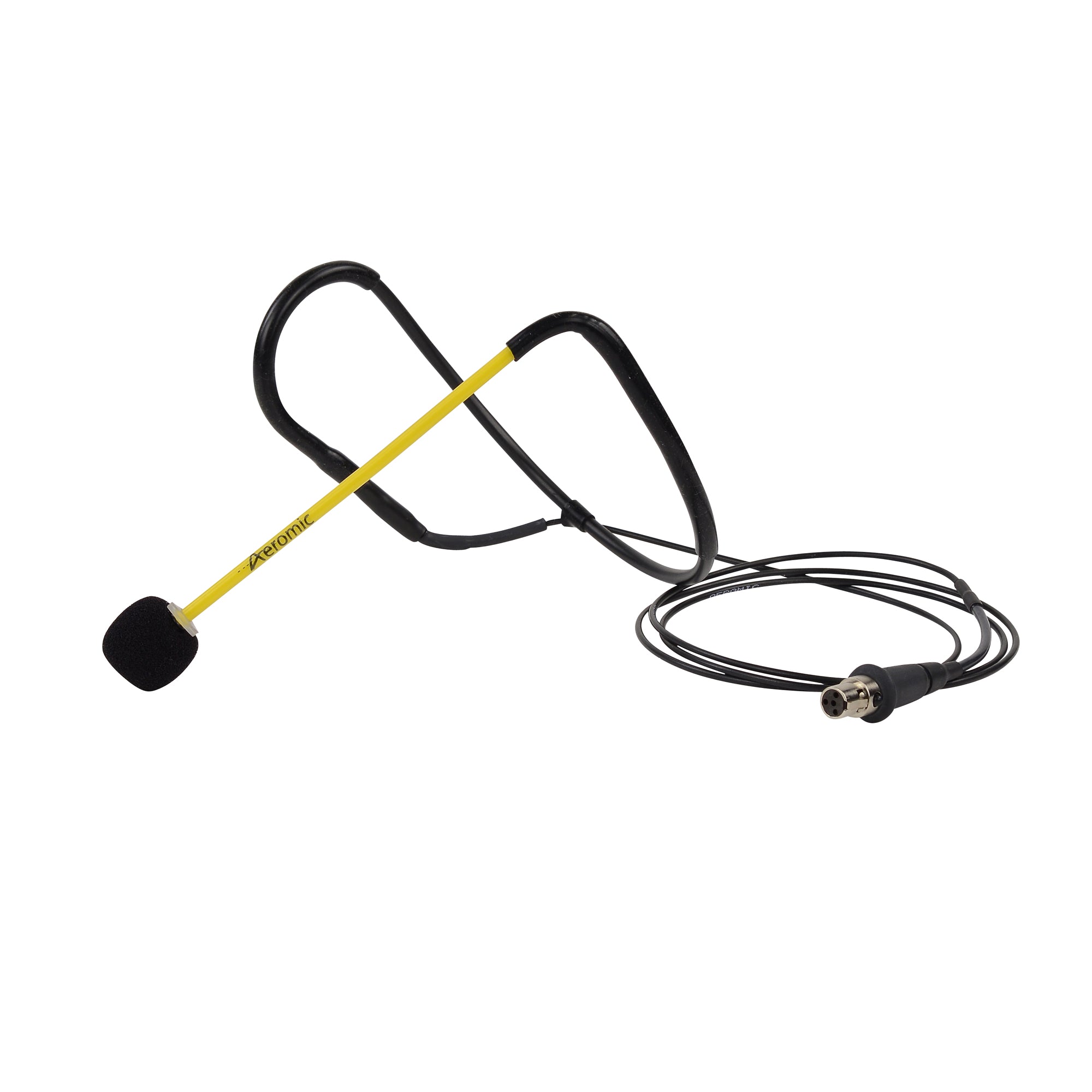
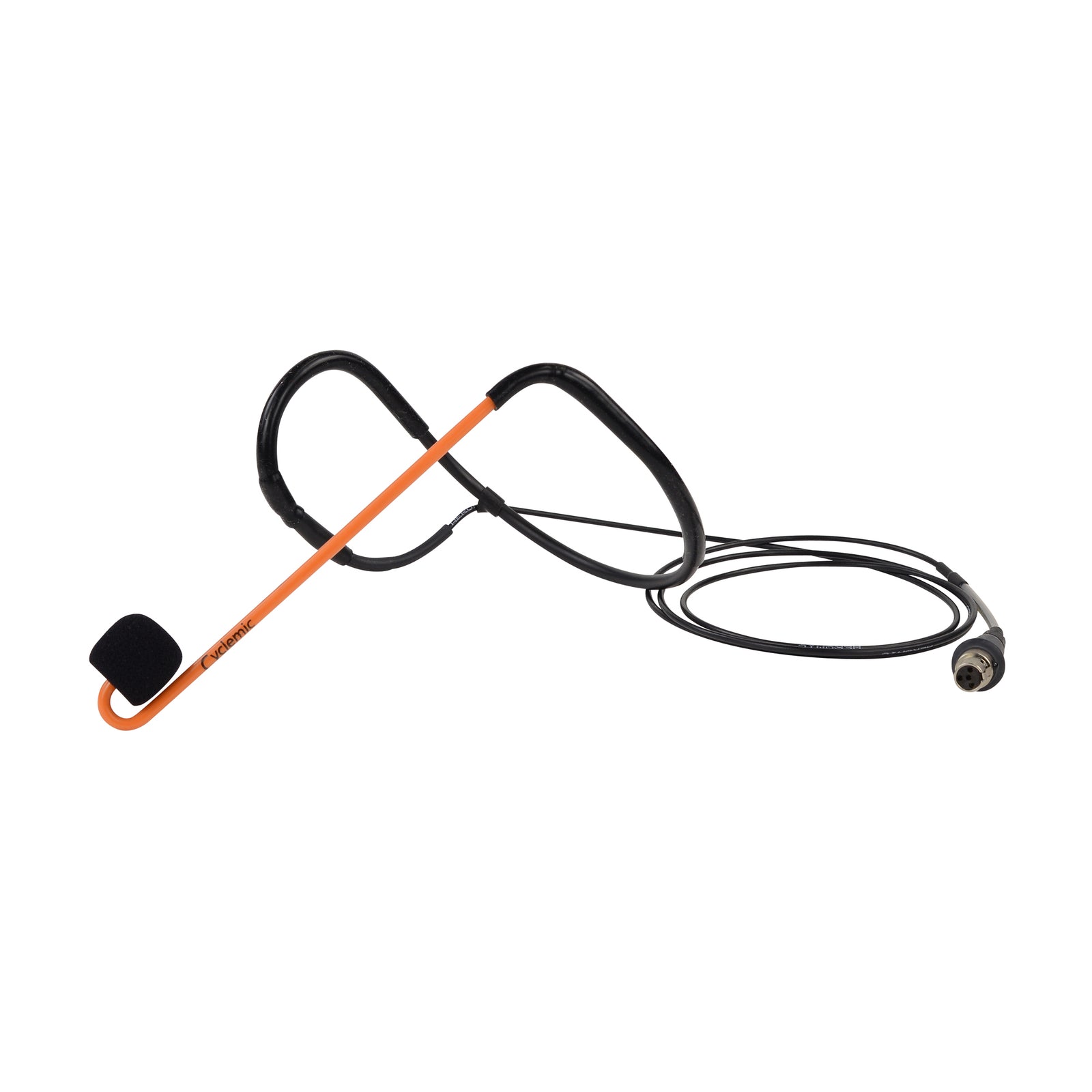
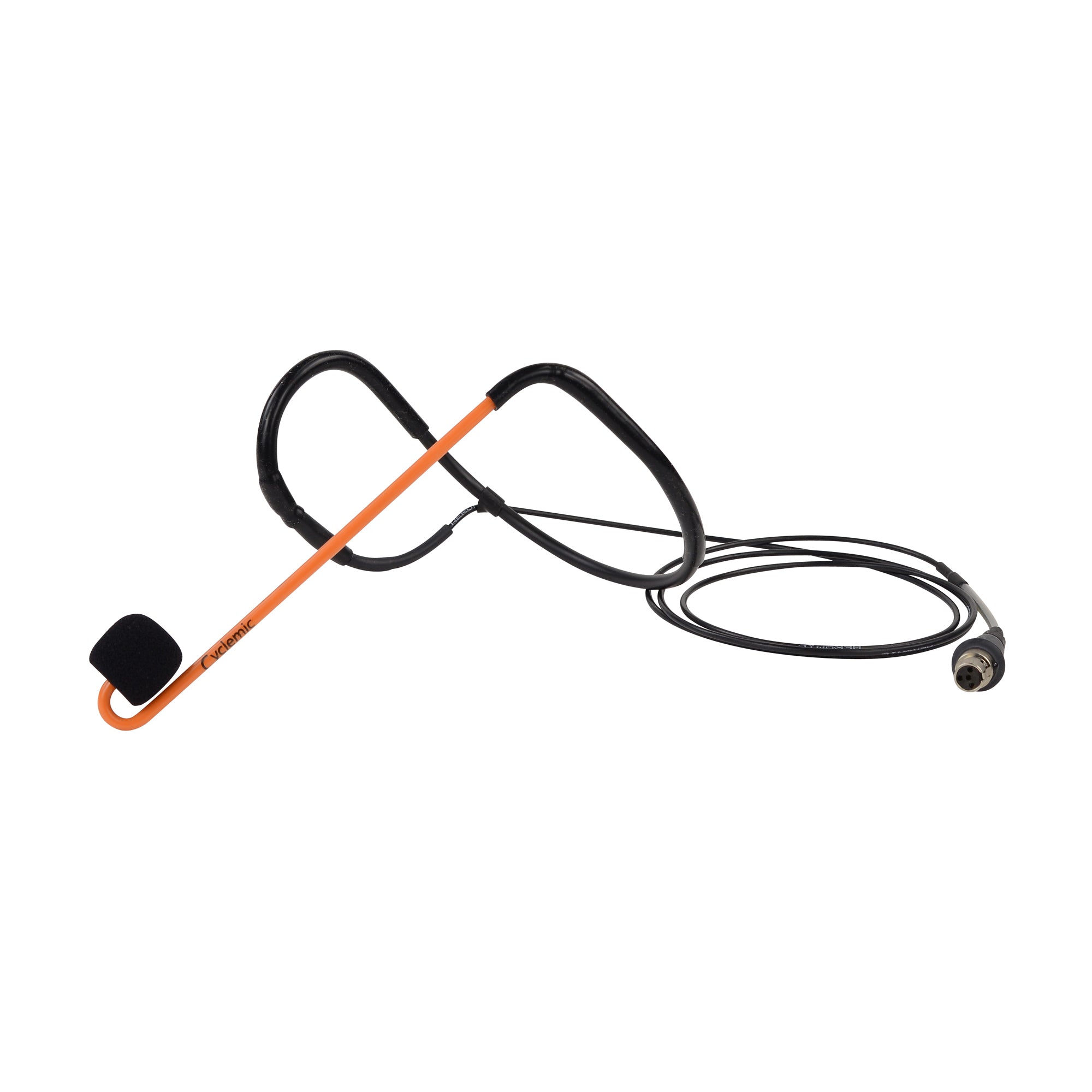
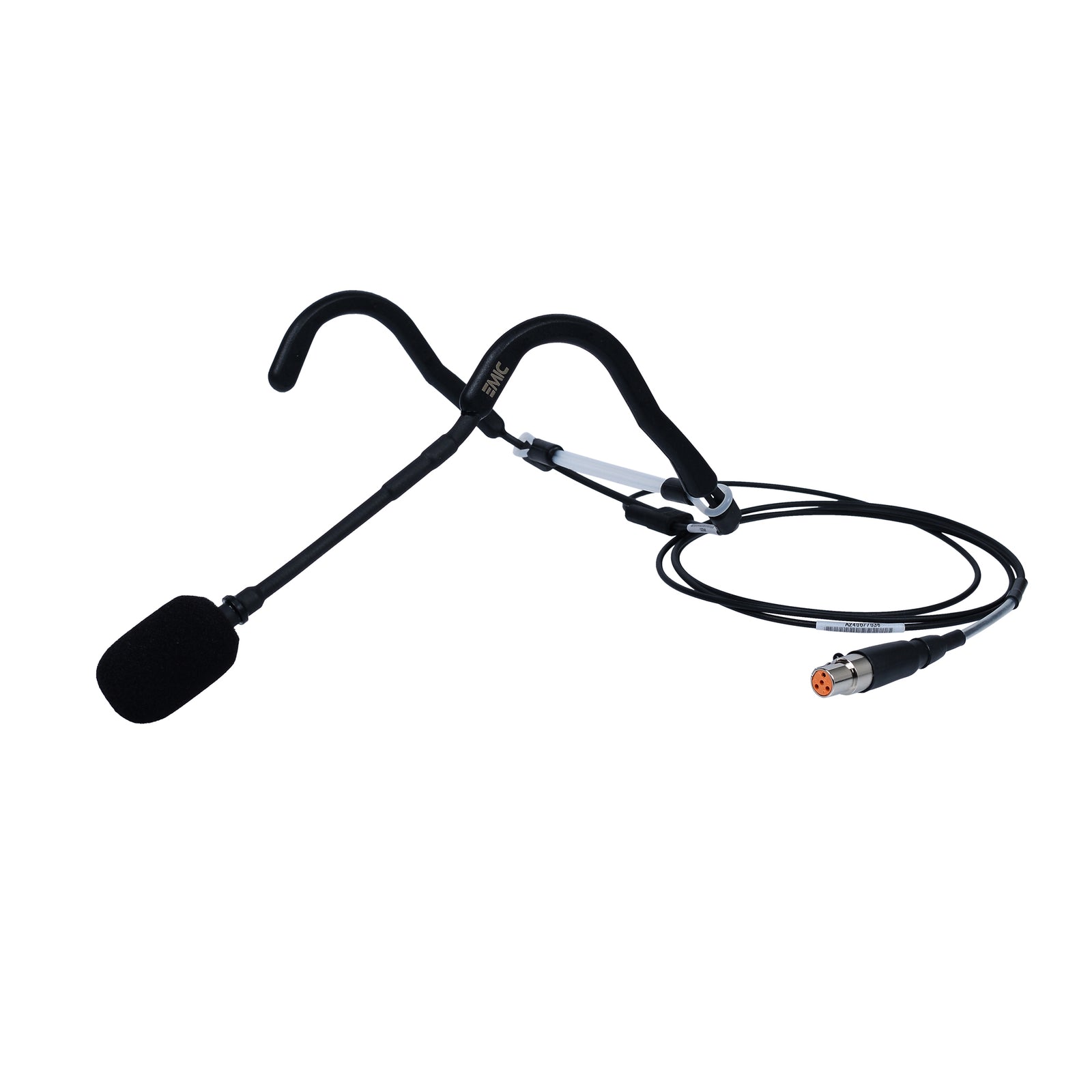
- Clear speech reproduction for instructors or guided sessions
- Consistent coverage regardless of occupancy
- Predictable performance at different volume levels
- Simple operation for non-technical staff
This is particularly important in shared residential or hospitality environments, where multiple user groups interact with the same space.
If audio is too simplistic, it limits flexibility. If it is too complex, it becomes difficult to manage. The opportunity lies in systems that are both robust and intuitive, allowing the space to change function without technical friction.
The Rise of “Atmosphere Switching”
One of the most interesting developments in this space is what can be described as atmosphere switching - the ability for a fitness environment to shift mood and function quickly depending on programmed activity.
This is not about installing more technology for its own sake. Instead, it is about enabling the space to behave differently at different times.
For example:
- Early morning: energised music, brighter lighting tone, full-space audio coverage
- Midday: reduced intensity, zoned sound for low-traffic use
- Evening classes: focused instructor audio with controlled background music
- Late night: minimal, evenly distributed ambient sound
In traditional gyms, achieving this requires manual adjustments and compromises. In modern wellness developments, it is increasingly expected to happen seamlessly as part of daily operations.
This is where integrated AV design becomes critical - ensuring the environment can transition without creating inconsistency for users or additional workload for operators.
The Operational Pressure Behind the Trend
While much of this change is driven by user expectations, there is also a strong operational reason behind it.
Developers and building managers are under increasing pressure to:
- Reduce maintenance complexity
- Minimise resident or guest complaints
- Maximise amenity usage across different time slots
- Deliver premium experiences without constant staff intervention
Fitness spaces are high-visibility amenities. If they underperform, it directly impacts perception of the wider development.
As a result, there is growing interest in systems that reduce dependency on manual adjustment and allow consistent performance regardless of who is using the space.
Why Integration Is Becoming the Standard Expectation
The most significant shift is not just in individual technologies, but in how they are expected to work together.
Sound systems, user controls, and environmental design are increasingly being viewed as a single connected layer rather than separate components.
This means:
- Audio should align with spatial zoning
- Control systems should be simple and centralised
- Equipment should support multiple operating modes
- The environment should feel consistent across different uses
When these elements are aligned, the space becomes easier to operate and more enjoyable to use. When they are not, even high-quality gyms can feel inconsistent or difficult to manage.
Where Fitness Audio Fits Into This Shift
At Fitness Audio, the focus has increasingly moved toward supporting these evolving requirements in fitness and wellness environments.
Rather than treating audio as a standalone feature, the approach is centred on how sound integrates with the wider function of the space - particularly in environments where usage is shared, scheduled, or multi-purpose.
This includes supporting operators who need:
- Reliable systems that perform consistently under daily use
- Simple control interfaces suitable for staff or building managers
- Scalable solutions for different sizes and layouts of fitness spaces
- Audio clarity that supports both music and instruction-led activity
As the market continues to evolve, the emphasis is shifting away from static gym design and toward adaptable wellness environments that can support multiple experiences within a single footprint.
Final Thoughts
The next phase of fitness amenity design is not about adding more equipment or increasing floor space. It is about creating environments that can adapt - smoothly, predictably, and without operational complexity.
Multi-use wellness spaces are becoming the new standard in residential, commercial, and hospitality developments. And as they do, AV systems are moving from background infrastructure to core enabler of the experience itself.
For developers and operators, the opportunity is clear: the gyms that perform best in the future will not just be well-equipped - they will be intelligently designed to change with the people using them.