

Ever wondered why your fitness class sounds fantastic when you're setting up but then transforms into something... different once the room is packed? It's a common issue in group fitness environments. Understanding why this happens is the first step in ensuring a consistently great experience for both fitness instructors and participants alike. Let’s delve into the acoustics of your studio and how to manage them effectively.
The Impact of Full Occupancy on Sound Quality
The presence of people significantly alters the way sound behaves within a room. A nearly empty gym during setup offers minimal interference, allowing sound waves to travel and reflect freely. However, filling that same space with bodies changes everything, influencing absorption, reflection, and the perceived volume of your audio systems.
When the studio fills, bodies act as absorbers of sound. Clothing and hair muffle the sound waves, reducing the amount of reflection and reverberation. This absorption can make the sound seem quieter and less vibrant. In contrast, empty rooms allow sound to bounce freely, leading to a louder, more echoey environment. Finding the right balance is key to delivering effective and enjoyable workout classes without distorted music.
Instructor Communication Challenges
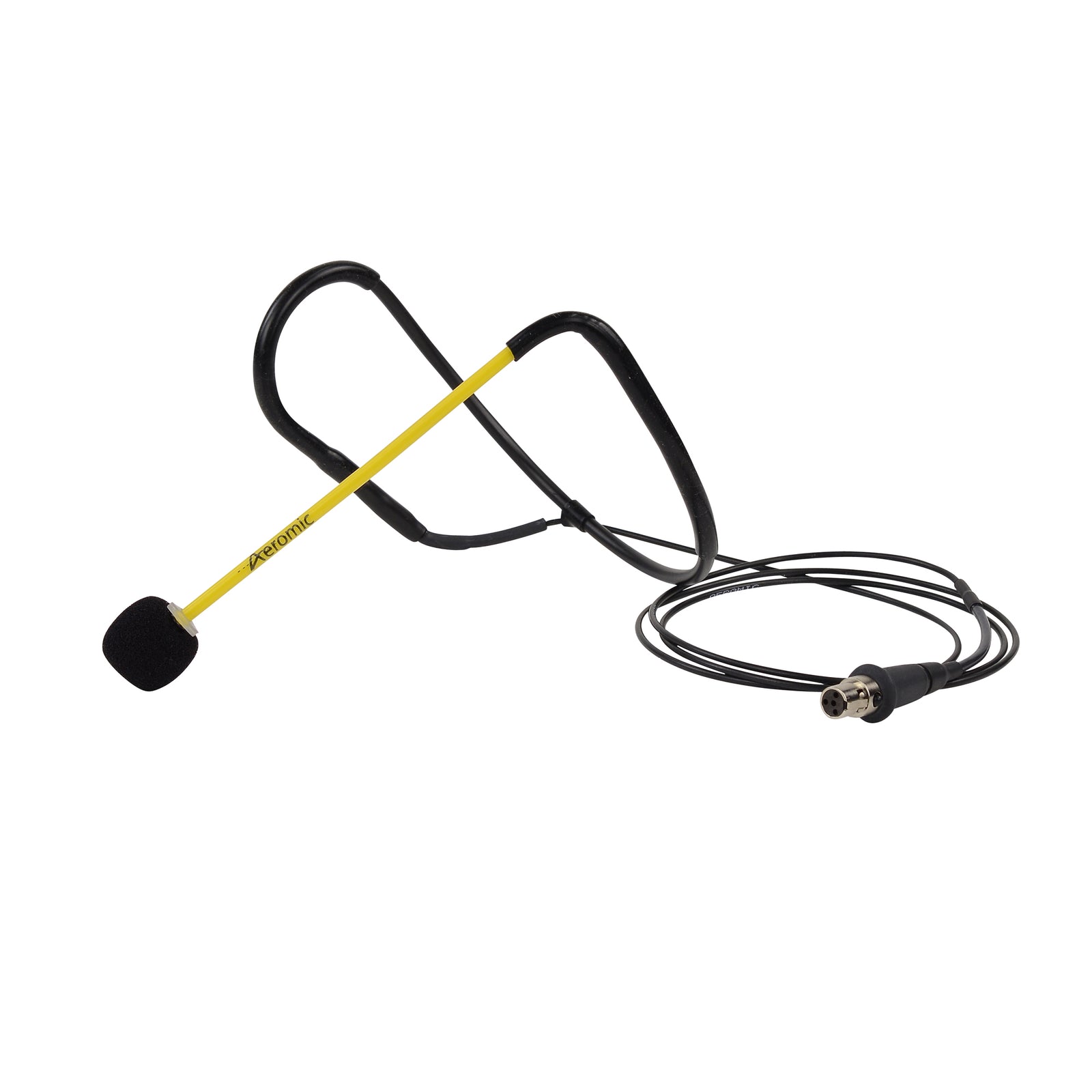
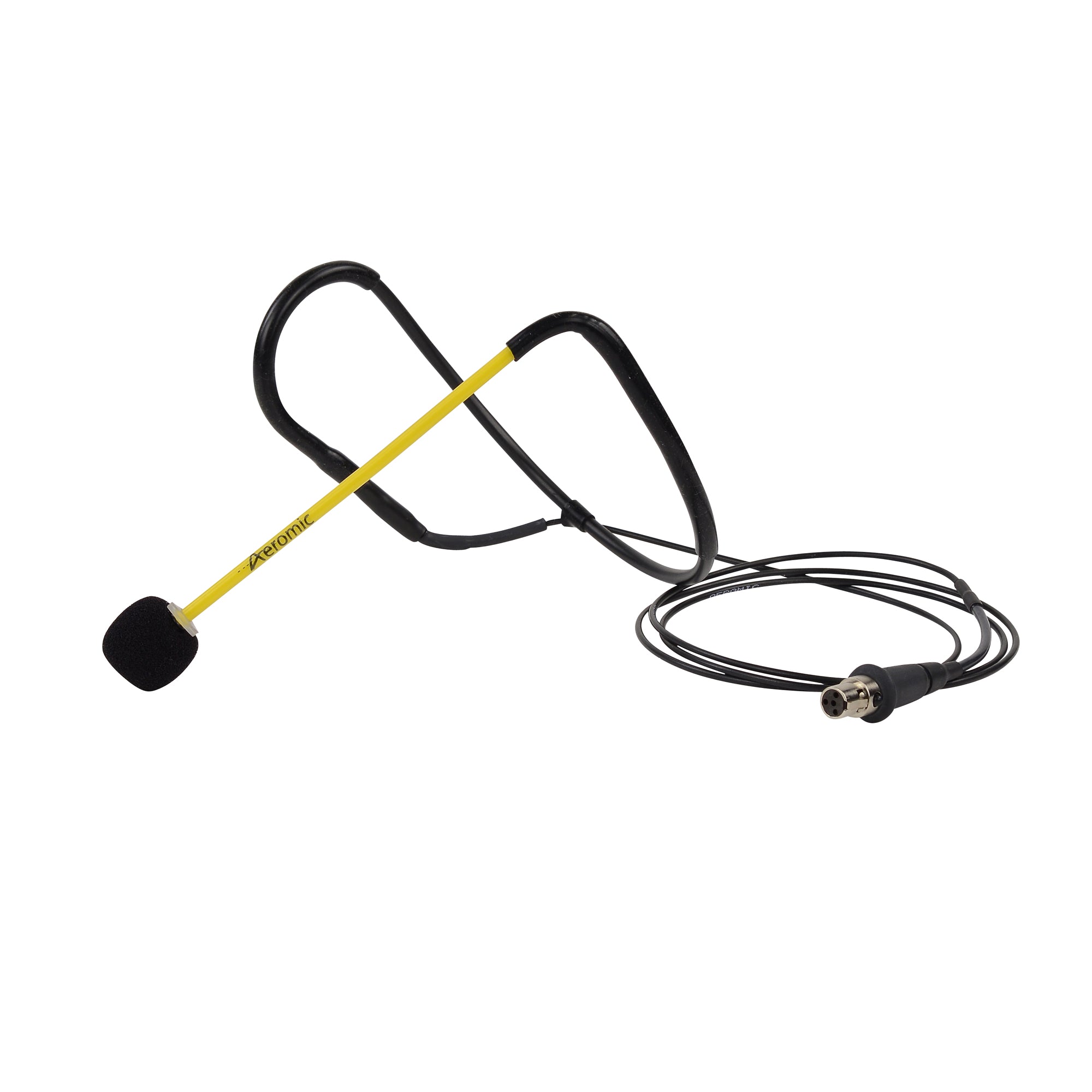
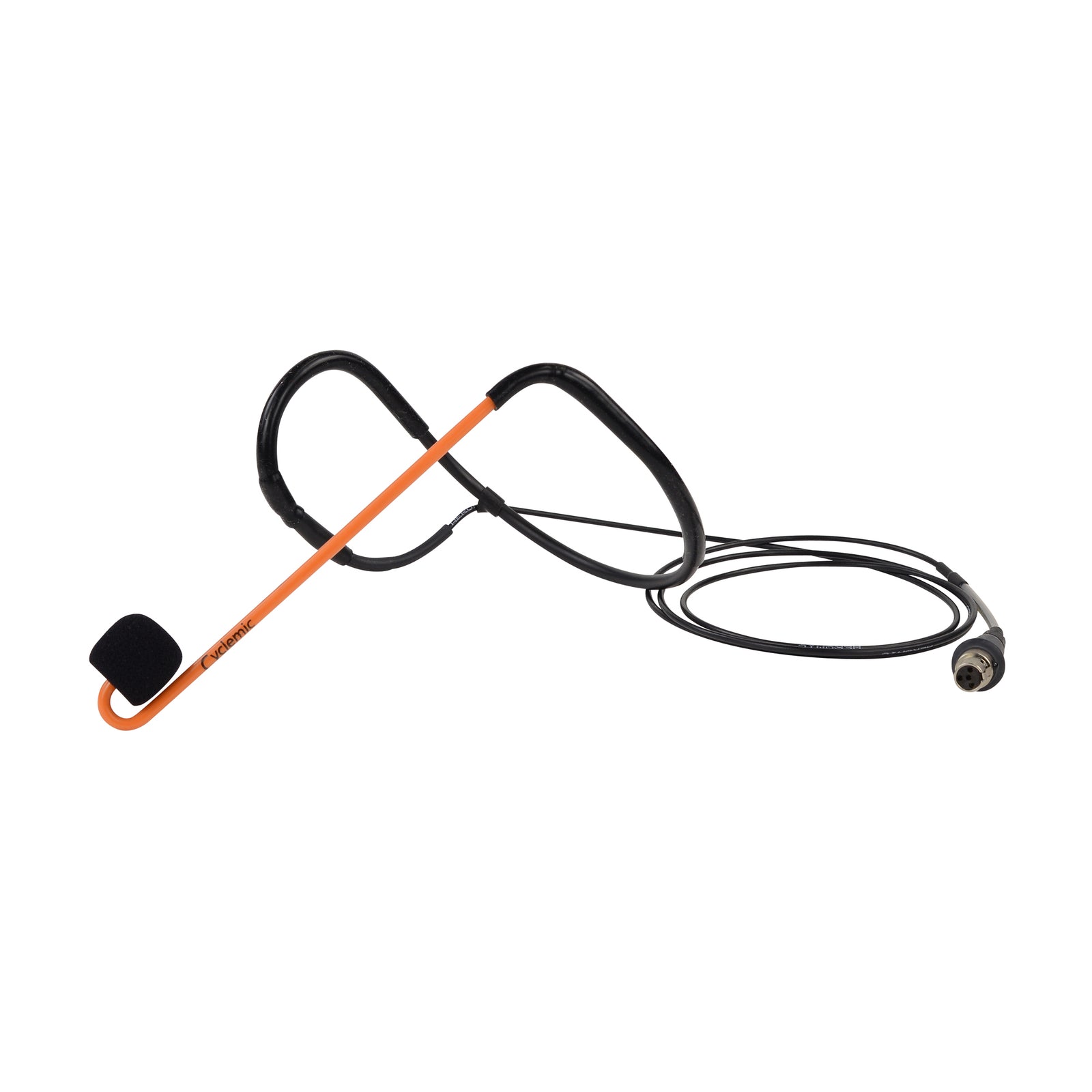
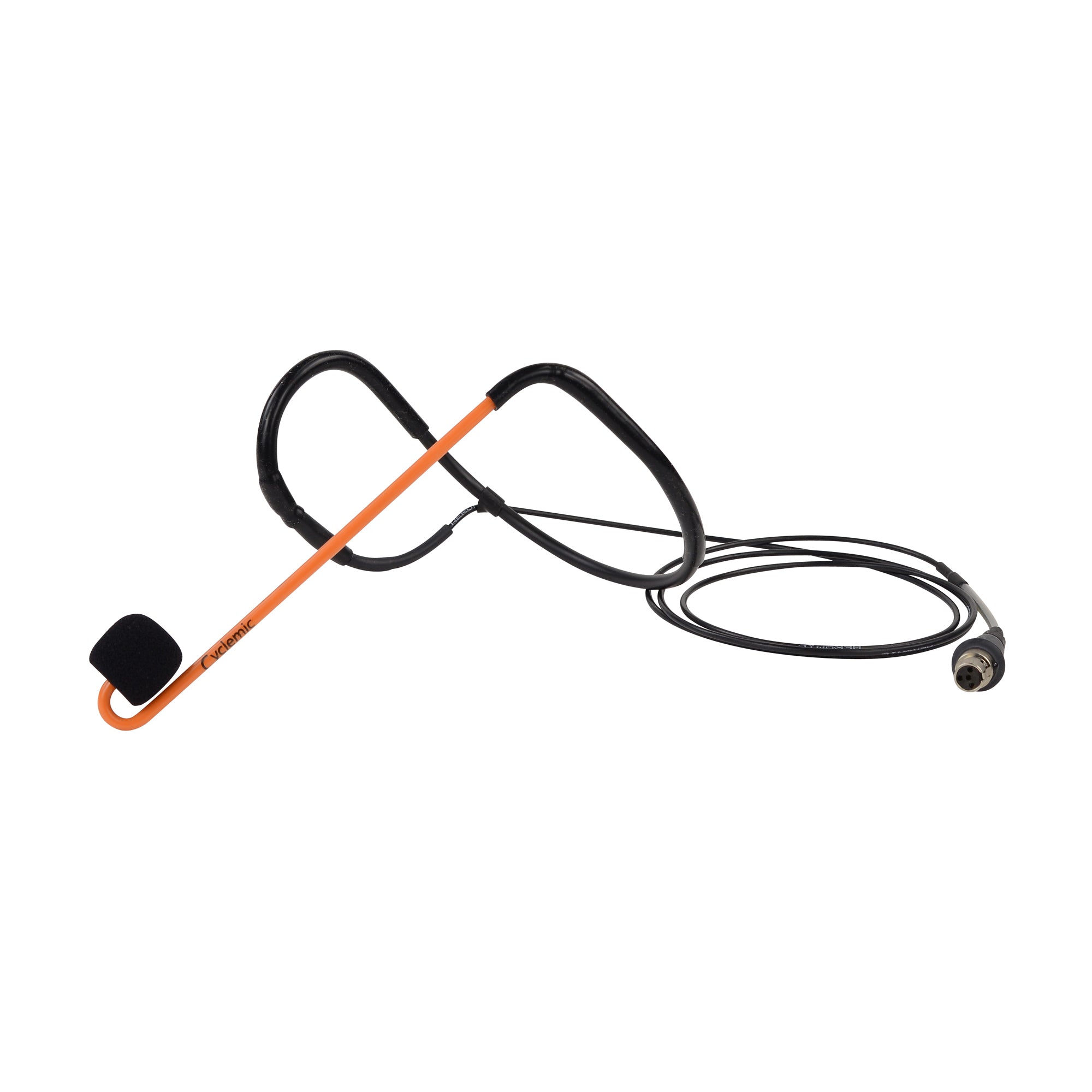
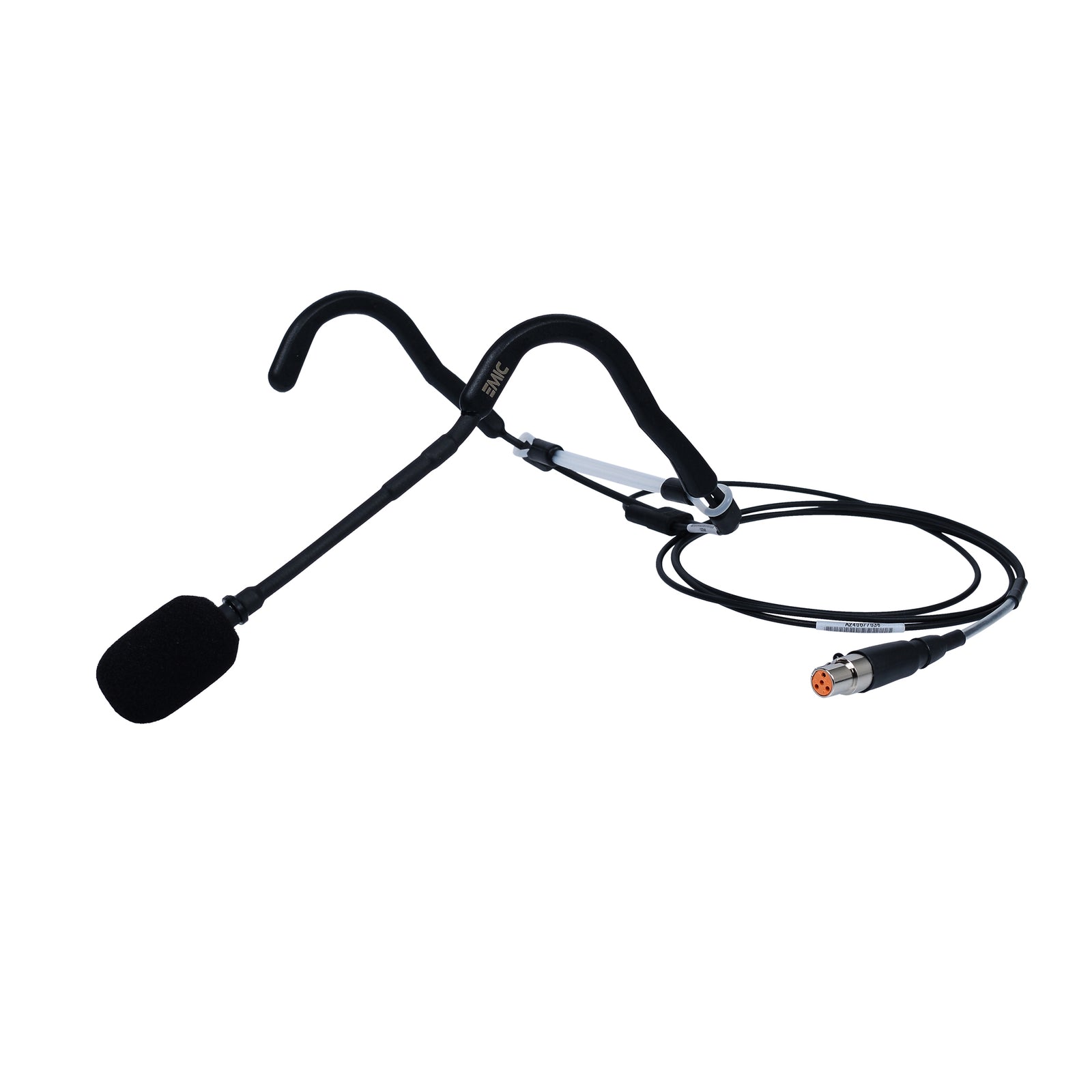
A packed studio can make clear communication difficult. A reliable, sweat-resistant microphone is crucial. Fitness Audio microphones, like the Aeromic, deliver consistent audio even during high-intensity classes. Clear instructions, proper mic placement, and varied vocal delivery ensure participants follow cues effectively. Soliciting participant feedback on sound levels can further improve communication.
Optimising Your Audio System
-
Speaker Placement: Considering that bodies absorb sound, so raising speakers slightly and angling them inward helps distribute audio evenly. Avoid reflective surfaces that can cause echoes.
-
Volume Balance: Start at moderate levels and adjust so every participant hears instructions without strain. Overly loud music can harm hearing.
-
EQ Settings: Boost mid-range and higher frequencies for vocal clarity, and reduce muddiness in bass frequencies. This ensures the music and instructor voice remain distinct.
-
Pre-Class Sound Check: Test the microphone, speaker levels, and music clarity before each class. Use a sound meter or your ears to confirm balanced levels. Check for distortion or static and make minor adjustments.
-
Real-Time Adjustments: Even with a pre-class check, monitor sound during the session. Subtle tweaks to microphone volume or EQ can improve clarity for participants in different areas of the studio.
Benefits of Proactive Sound Management
Proactive sound management ensures a consistent sound quality experience regardless of the class size. By understanding how acoustics change with occupancy and making necessary adjustments, you can maintain clarity and balance in your audio systems. This not only enhances the participant experience but also protects the hearing health of both fitness instructors and gym-goers. Consistency leads to member satisfaction and retention in the fitness centre.
Creating a Positive Experience
Properly managed sound allows instructors to communicate effectively and maintain class flow. Balanced audio enhances participant engagement and motivation while supporting safety and vocal health. By understanding how occupancy affects sound and making strategic adjustments, studio managers and instructors can ensure every class sounds great, whether the room is half-full or packed to capacity.
Fitness Audio provides complete audio solutions for group fitness. Our microphones and sound systems are designed for the rigours of a studio environment, offering durability, clarity, and ease of use. With the right equipment and proper adjustments, instructors can focus on leading classes rather than struggling with technical issues.