

In the world of group fitness, the sound system is more than just equipment; it’s the backbone of every class, enabling instructors to connect with participants and drive energy. However, instructors possess diverse vocal ranges, each requiring a tailored audio solution to ensure clarity, prevent vocal strain, and maintain an engaging atmosphere. Understanding and addressing these differences is crucial for gym owners and fitness facility managers aiming to provide the best possible experience.
Understanding Vocal Ranges
An instructor’s vocal range affects how effectively they lead a class. High-pitched voices can sound shrill without careful equalisation, while low voices may struggle to cut through music, requiring amplification. Mid-range voices generally offer balance but still benefit from minor adjustments. A clear, audible voice ensures participants follow instructions correctly, maintains class energy, and protects the instructor’s vocal health.
Choosing the Right Microphone
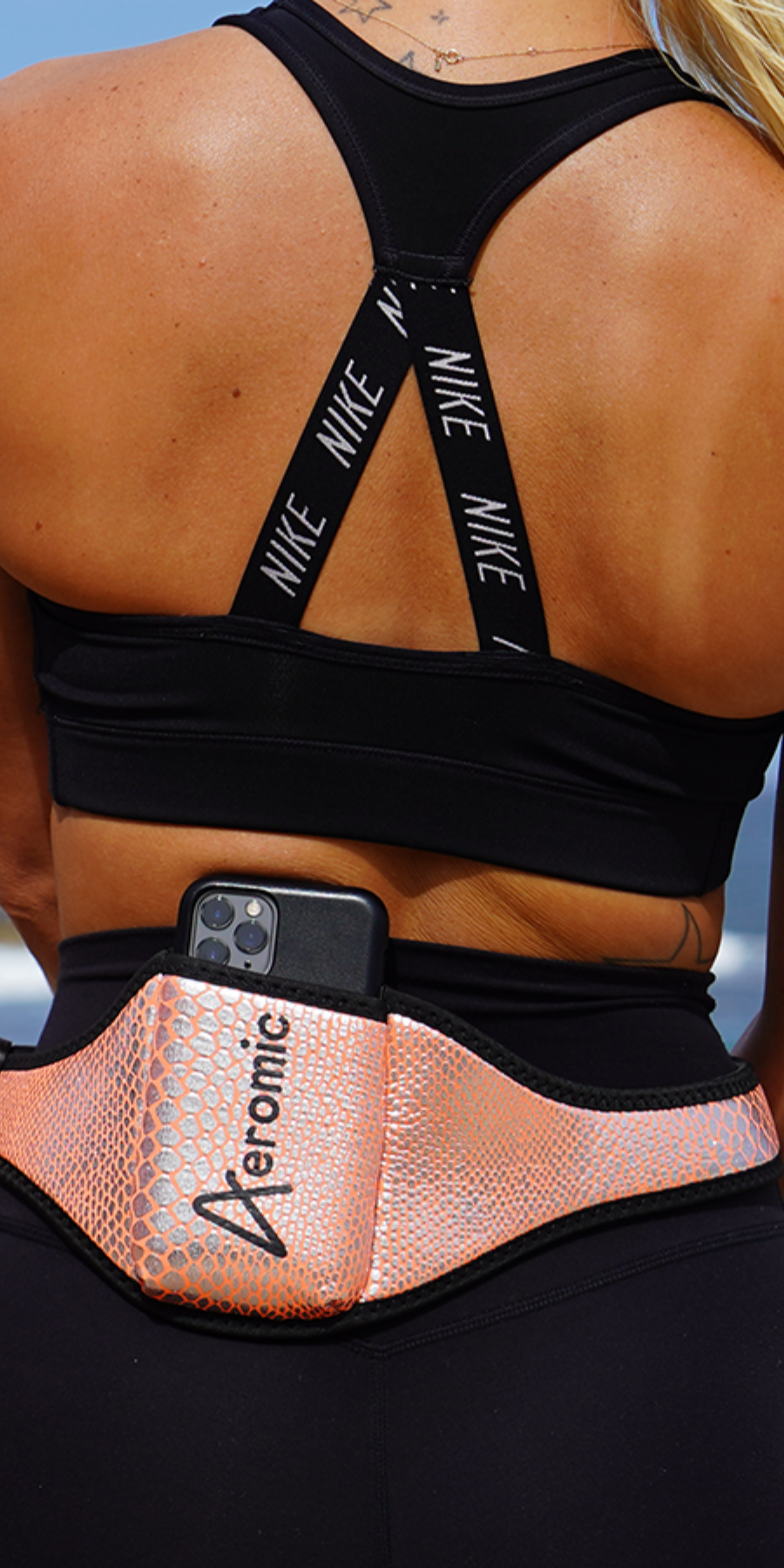
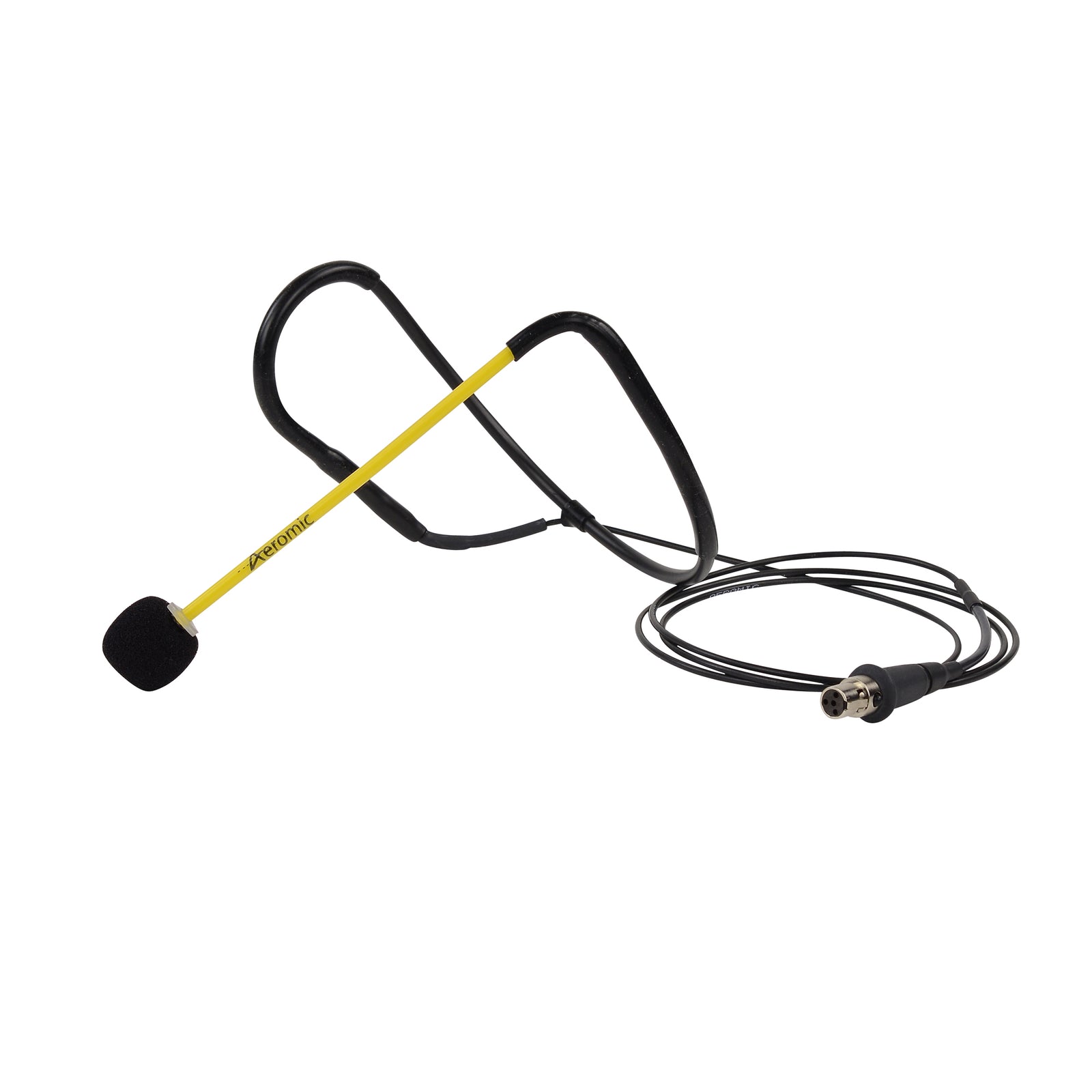
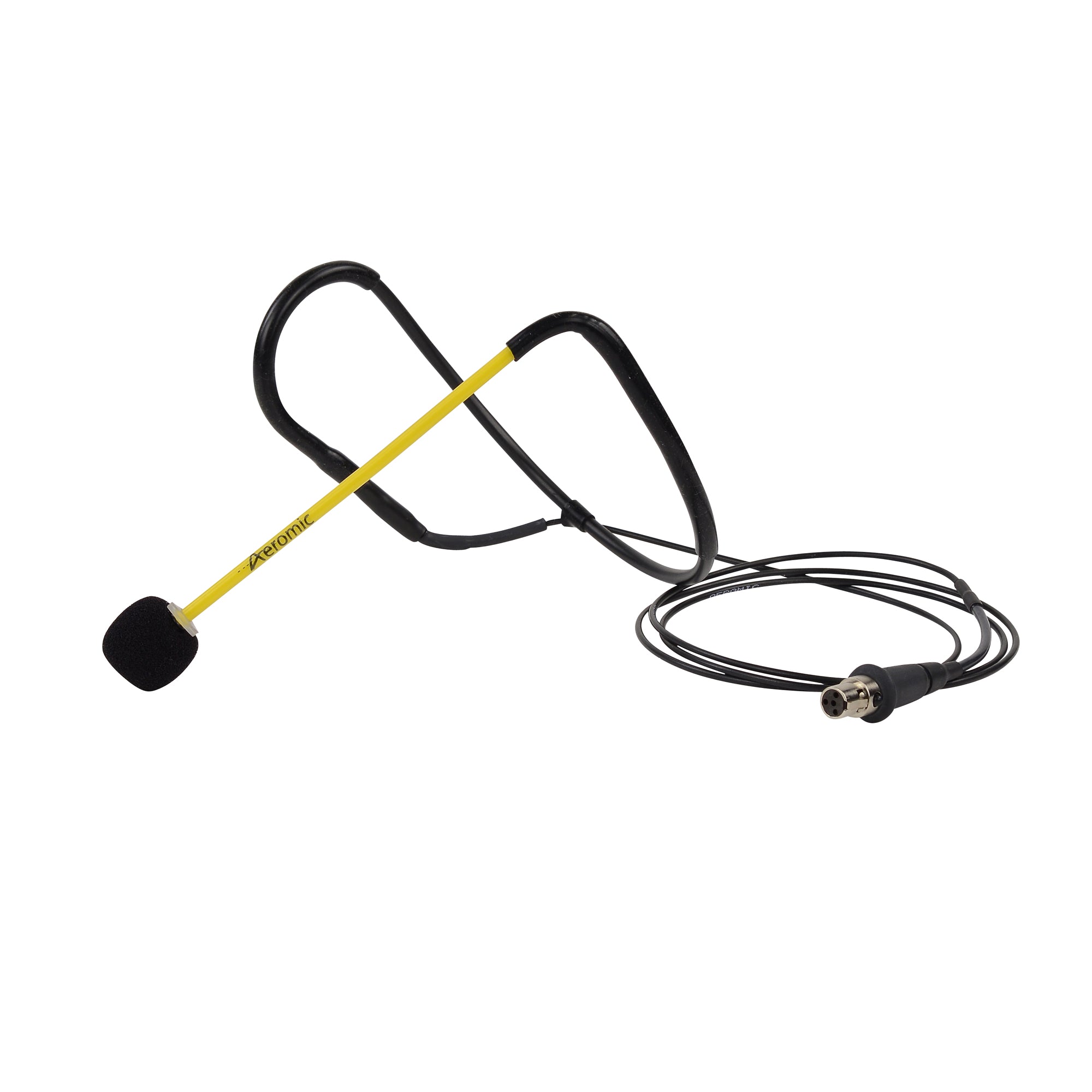
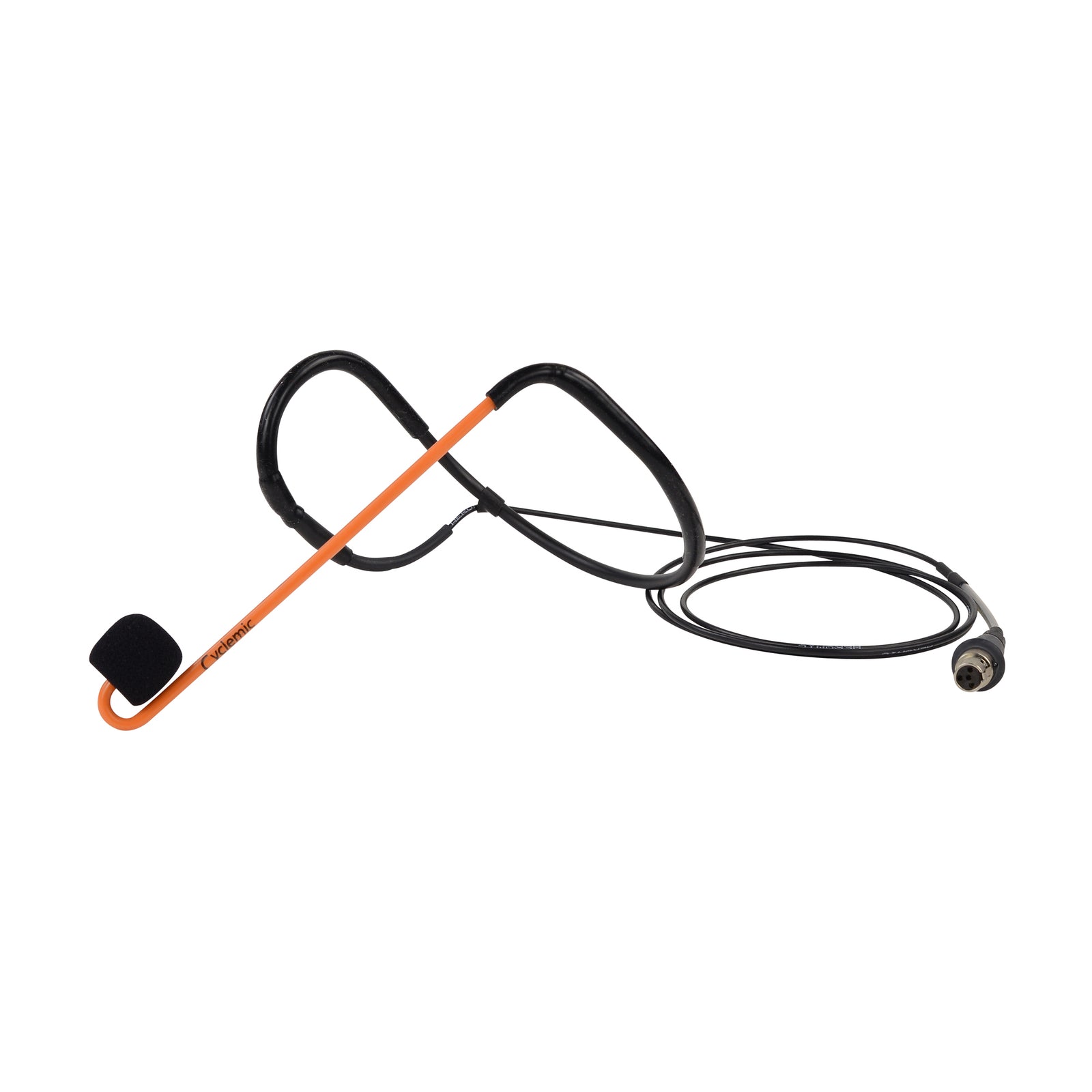
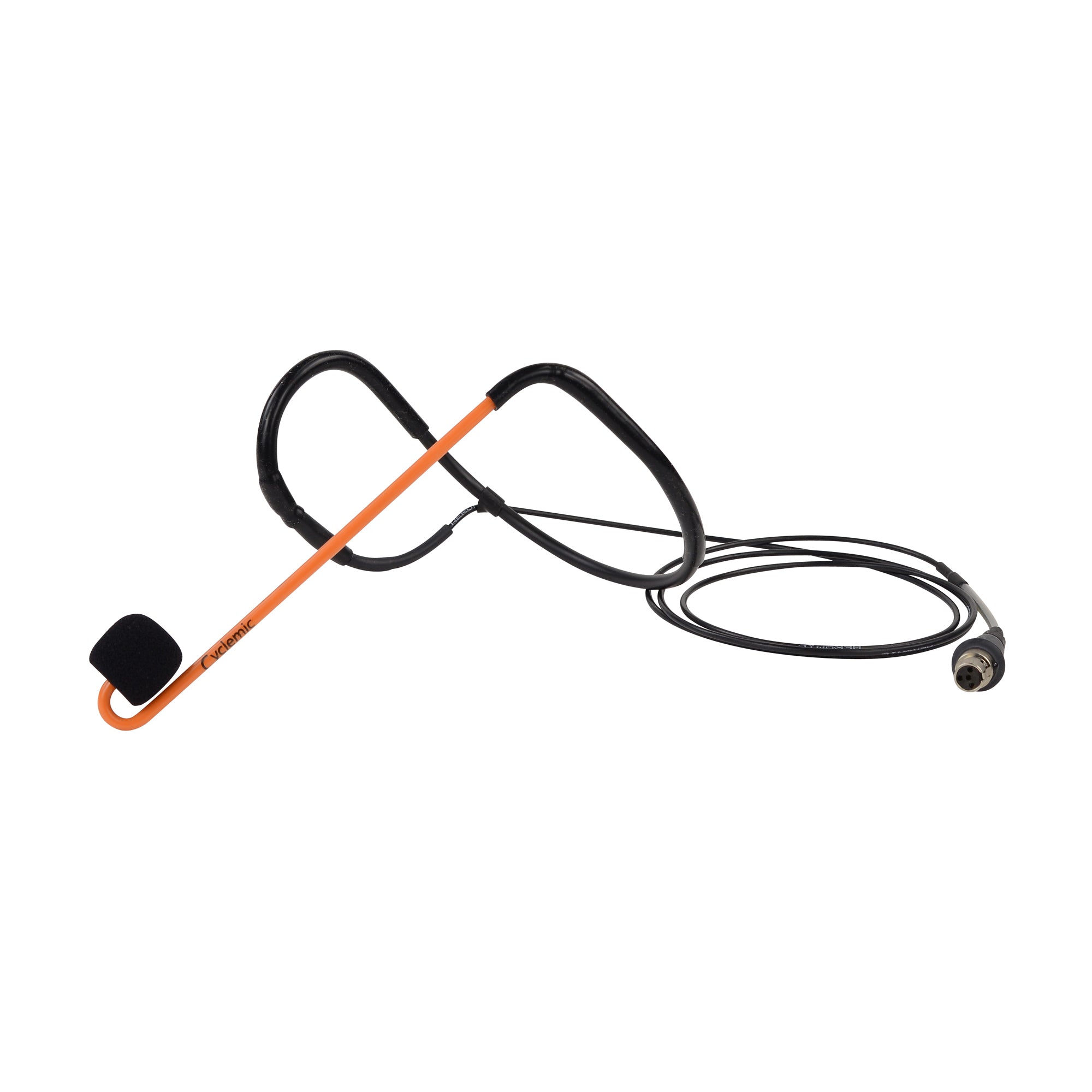
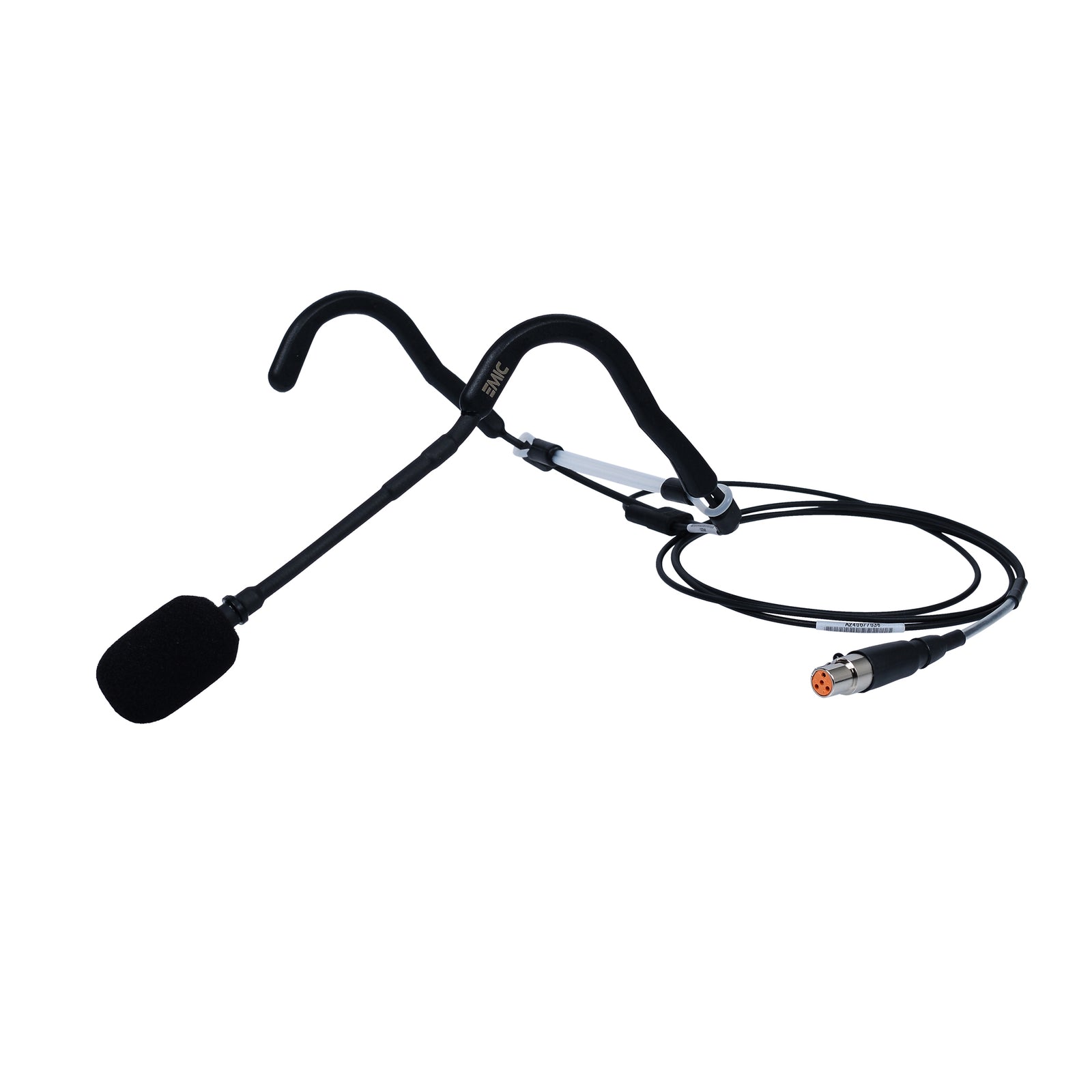
Selecting the appropriate microphone is crucial. Headset microphones offer hands-free movement, ideal for aerobics and cycling instructors, while handheld mics provide direct control but restrict mobility. Fitness Audio’s Aeromic, Cyclemic, and EMic range caters to various teaching styles and vocal ranges.
Tailoring microphones to vocal range enhances clarity: high voices need microphones that capture nuance without harshness, and low voices benefit from boosted bass to project clearly over music. Wireless systems and portable PA setups allow instructors to move freely while maintaining consistent sound quality.
Optimising Speaker Placement
Speaker positioning is critical for clarity and coverage. Distribute speakers evenly to avoid dead zones and excessive volume in certain areas. Adjust speaker height based on vocal range: lower speakers can help project low voices, while higher placement may prevent high voices from sounding overwhelming. Multiple strategically placed speakers reduce the need for high volume, creating a comfortable environment for participants.
Equalisation and Volume Balancing
Equalisation (EQ) ensures instructors’ voices are clear and free from distortion. High voices may need high-frequency reduction to avoid shrillness, while boosting lower frequencies can help deep voices. Balancing frequencies also minimises feedback, improving overall sound quality.
Volume balancing is equally important. Properly calibrated levels let instructors maintain high energy without straining their voices. Adjust volume based on class size and room acoustics, keeping sound safe and comfortable. Average decibel levels should remain below 85 dB for one-hour sessions to protect vocal and hearing health.
Benefits for Class Energy and Member Experience
Tailored audio enhances both instructor performance and participant engagement. When instructors are clearly heard and unstrained, they can deliver energetic, motivating classes. Participants benefit from better instruction, improved coordination, and a more immersive workout experience. Consistent, high-quality sound also boosts retention by keeping classes enjoyable and professional.
Fitness Audio Solutions
At Fitness Audio, we supply a range of microphones, speakers, and portable PA systems designed for fitness environments. Our products help instructors of all vocal ranges be heard clearly without strain, supporting energetic, engaging classes. Whether you need headset microphones for cycling instructors or portable PA systems for multi‑use studios, our range provides reliable sound solutions that elevate the class experience.
Ready to optimise your studio sound? Contact Fitness Audio today for expert guidance and tailored audio solutions that enhance instructor performance, protect vocal health, and elevate the class experience.