

Why Reliability Matters More Than Volume
A fitness class moves fast. Music shifts, intensity rises, and instructors must communicate clearly at every moment. Yet many studios underestimate the importance of building a fail‑safe audio setup - one that performs consistently, regardless of class type, instructor movement, or environmental conditions. A reliable audio system is not about being loud; it is about being stable, predictable, and effortless to use.
Understanding the Core Components of a Fail‑Safe Setup
A dependable audio system begins with three essential components: the microphone, the transmitter, and the mixer. Each plays a distinct role, and failure in any one of them can compromise the entire class experience.
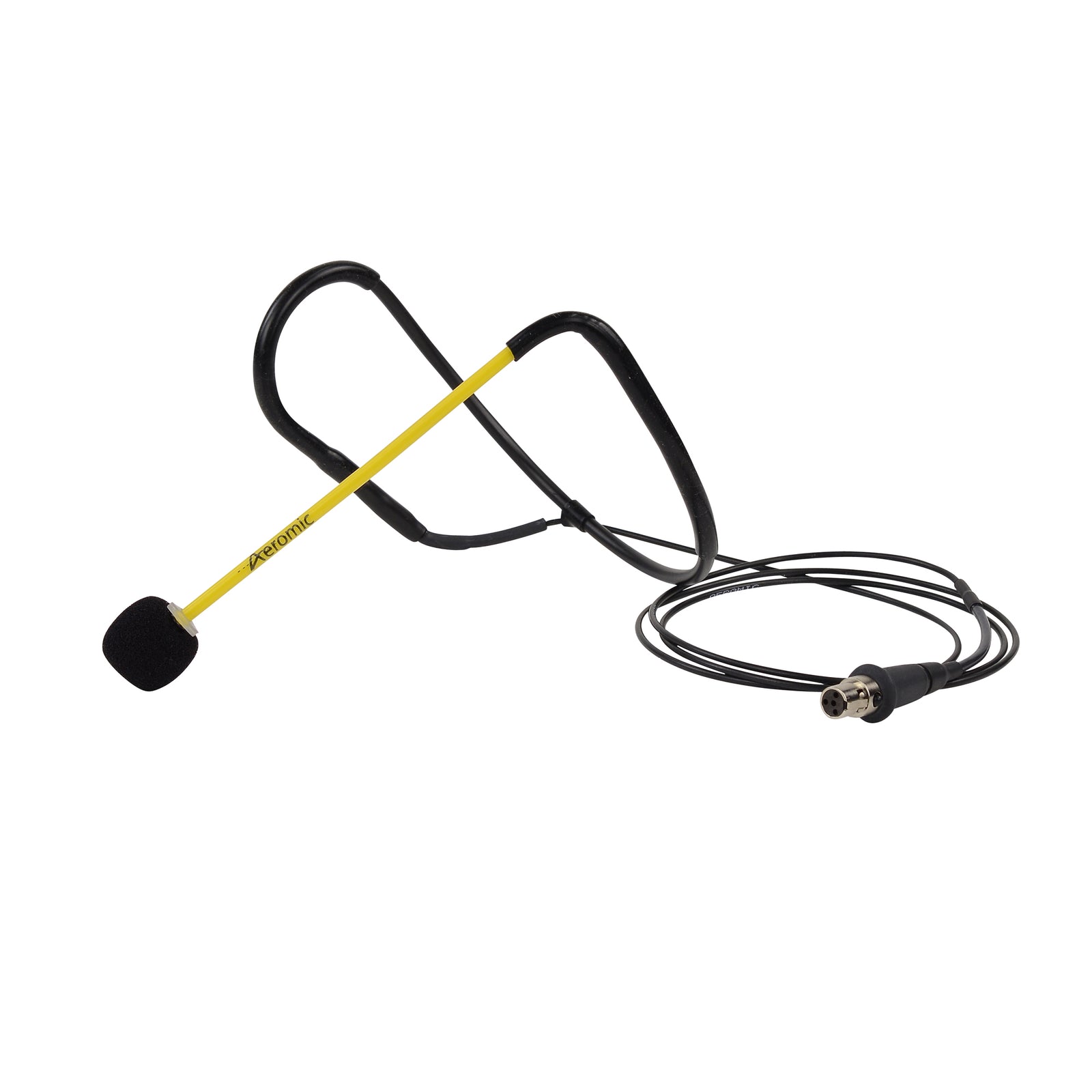
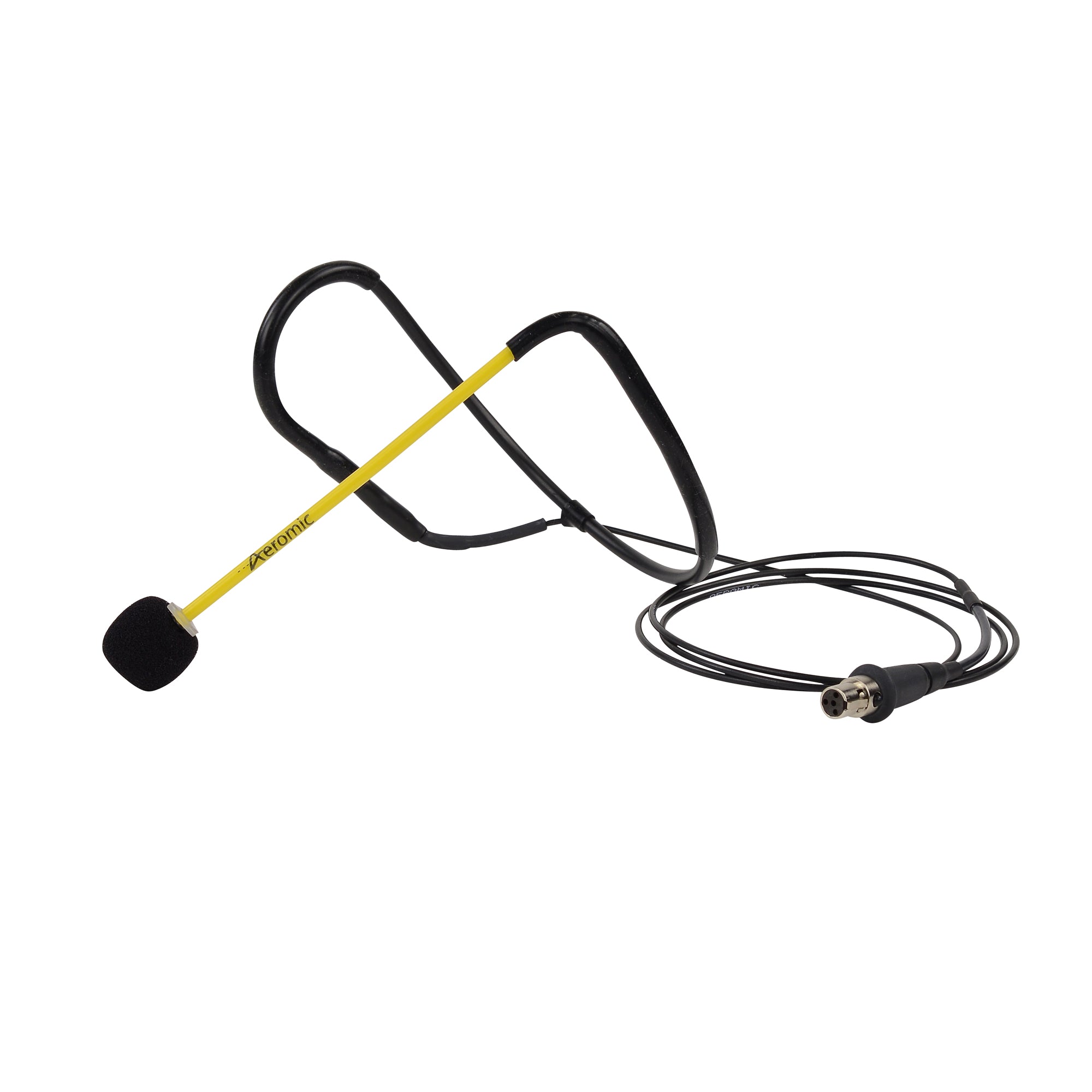
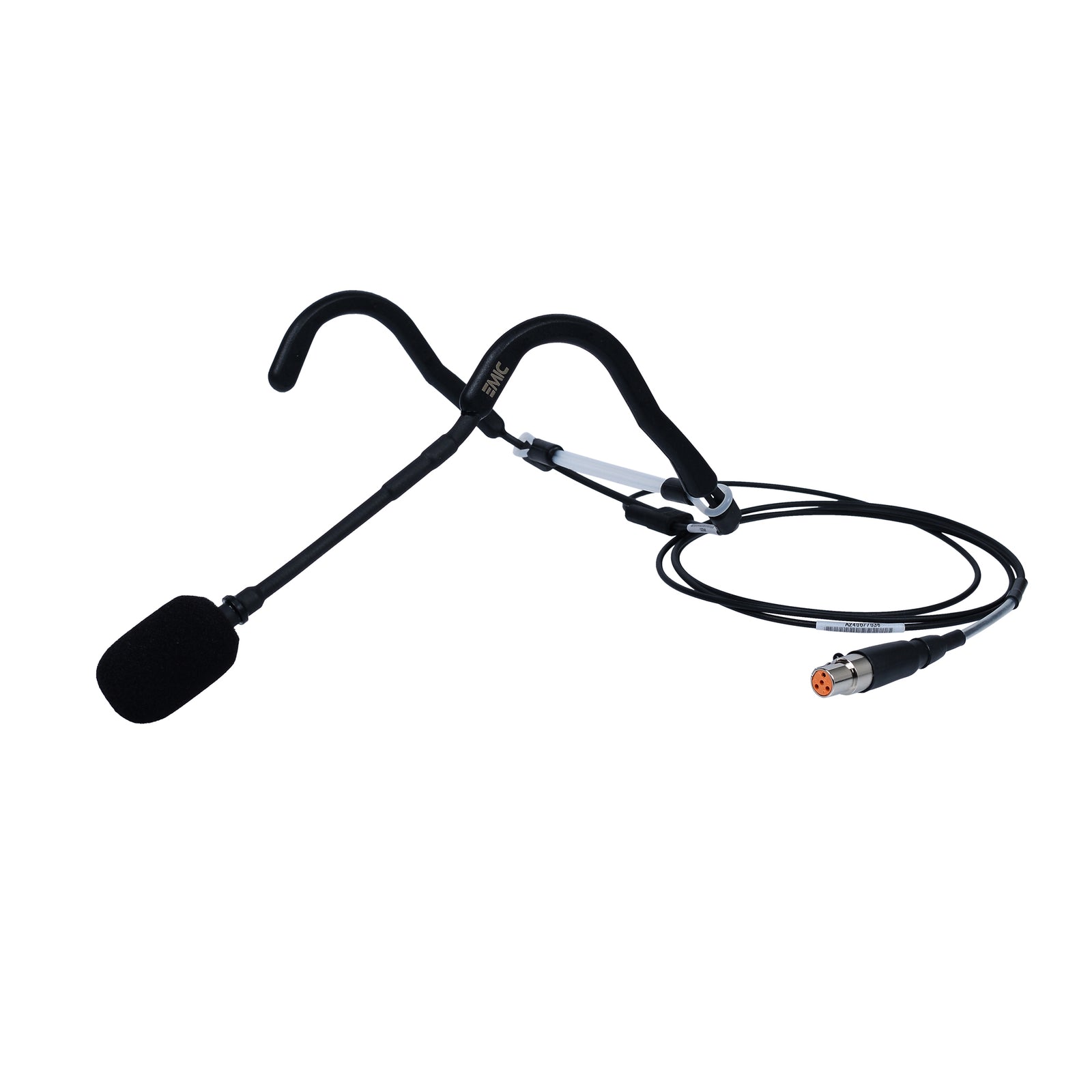
A fitness‑rated microphone such as the Aeromic Headset Microphone provides the foundation. These microphones are engineered for sweat resistance, durability, and clarity - qualities that standard microphones cannot match in high‑intensity environments.
The transmitter, such as the Fitness Audio U-Series UHF Transmitter, ensures stable wireless communication between the microphone and the sound system. A high‑quality transmitter reduces dropouts, interference, and signal instability.
Finally, a Fitness Audio Mixer allows instructors to balance music and voice levels with precision. A well‑configured mixer prevents distortion and ensures that cues remain audible even during high‑energy tracks.
Why Fitness‑Rated Equipment Is Non‑Negotiable
Fitness studios are harsh environments for audio equipment. Heat, humidity, sweat, and constant movement create conditions that consumer‑grade gear cannot withstand. Fitness‑rated equipment is designed specifically for these challenges.
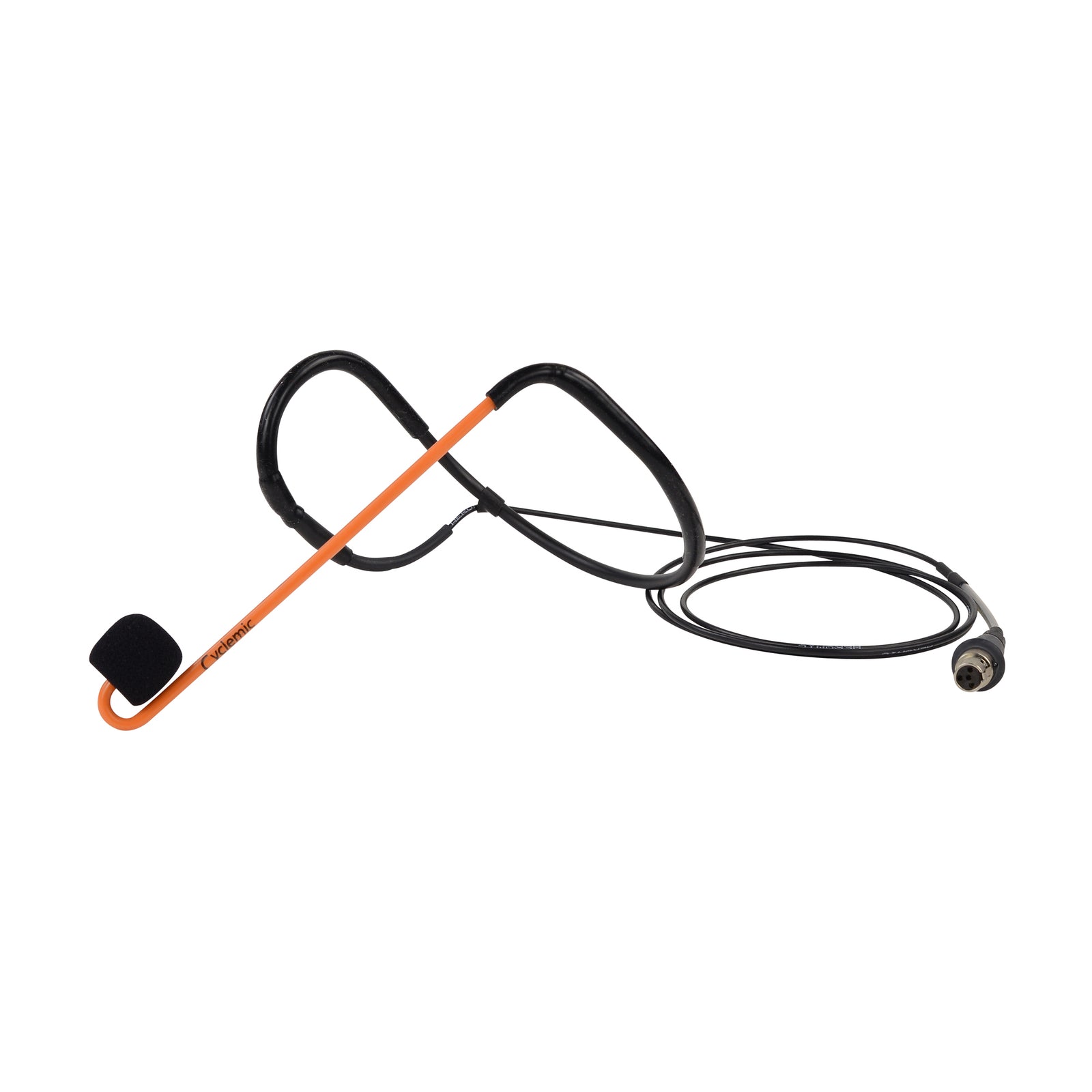
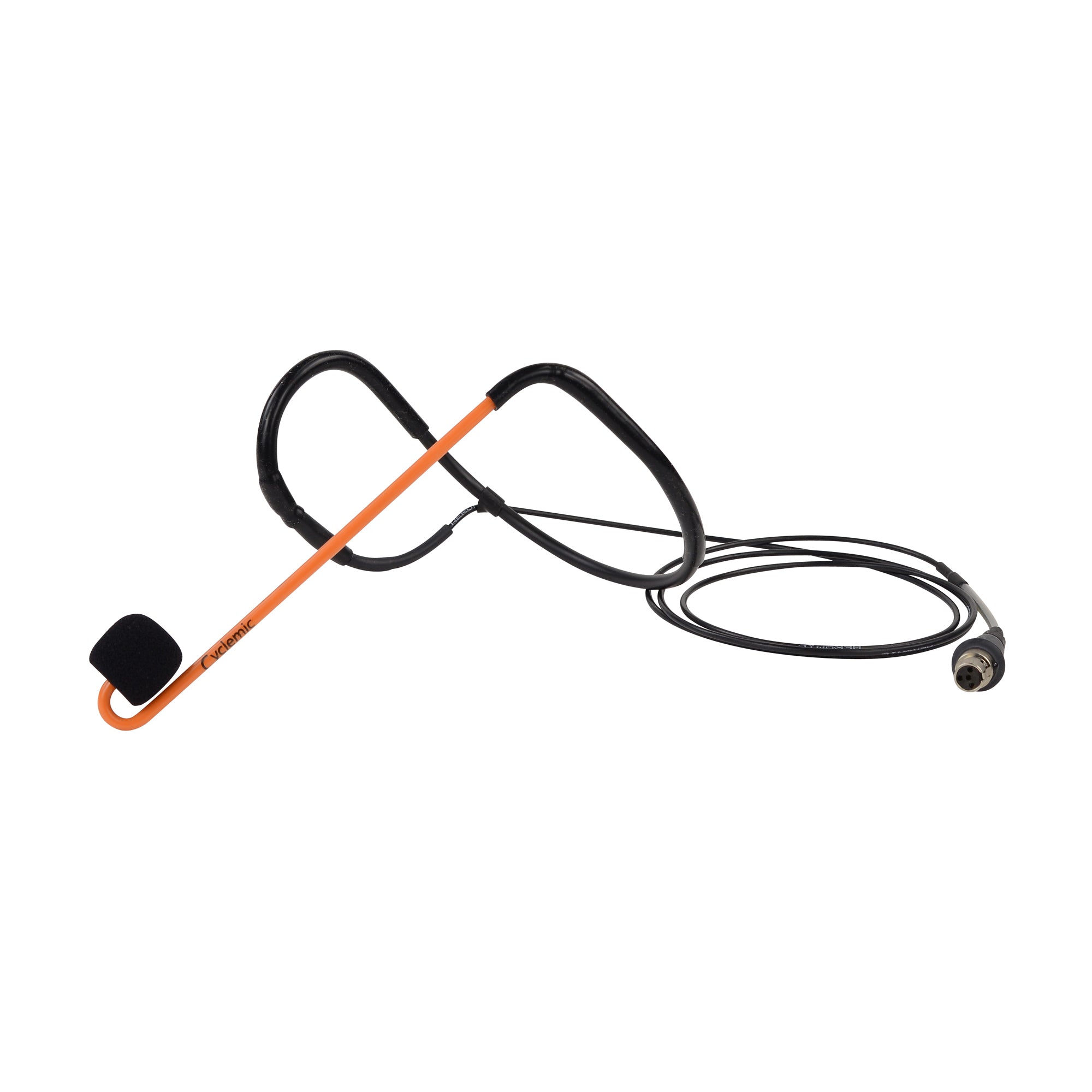
The Aeromic and Cyclemic headsets feature reinforced frames, sweat‑proof capsules, and secure fit systems that remain stable during dynamic movement. Their longevity and reliability make them essential for instructors who teach multiple classes per day.
Transmitters such as the U-Series UHF Transmitter are built to handle busy RF environments, ensuring consistent performance even when multiple wireless systems operate simultaneously.
The Role of Accessories in System Stability
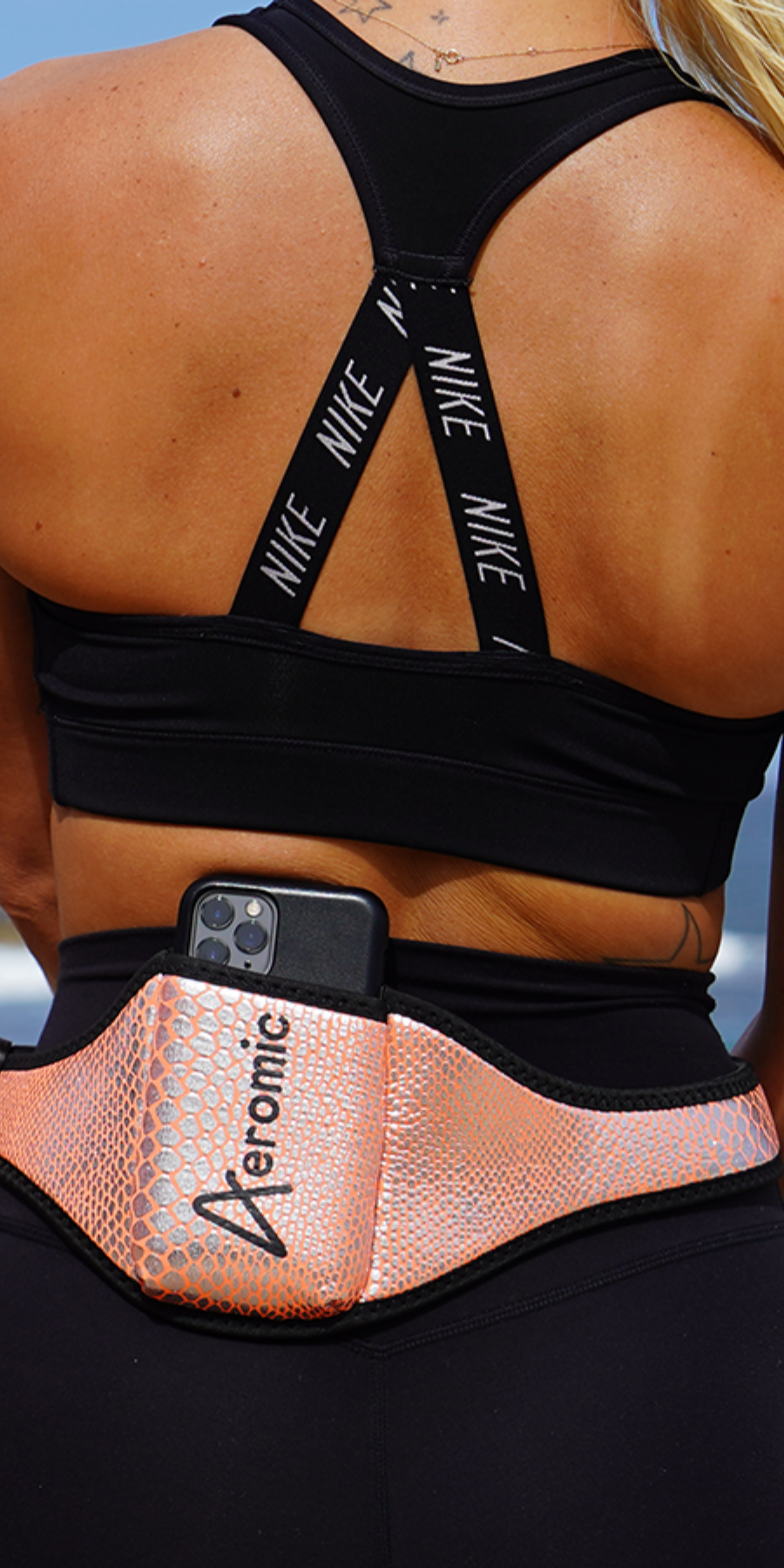
Accessories are often overlooked, yet they play a critical role in maintaining a fail‑safe setup. A Mic Belt protects the transmitter from sweat and impact while keeping it securely positioned. Without a belt, transmitters can shift, disconnect, or become damaged - all of which compromise audio quality.
For instructors teaching outdoors or in unconventional spaces, a Portable PA Pack provides reliable amplification without relying on venue infrastructure. These systems are lightweight, durable, and designed for mobility.
Creating a Pre‑Class Audio Routine
A fail‑safe audio setup requires a consistent pre‑class routine. Instructors should:
- Test microphone levels
- Check transmitter battery status
- Confirm secure cable connections
- Adjust mixer settings for class type
- Perform a quick walk‑test to detect dropouts
This routine takes less than two minutes but prevents the majority of mid‑class audio failures.
Why Fail‑Safe Audio Improves Member Experience
Clear, reliable audio enhances every aspect of a fitness class. Participants hear cues instantly, transitions feel smoother, and the overall experience becomes more immersive. When instructors do not need to worry about their equipment, they teach with greater confidence and energy.
Final Thoughts
A fail‑safe audio setup is not a luxury - it is a necessity. By investing in fitness‑rated equipment, studios ensure consistent performance and elevate the quality of every class.