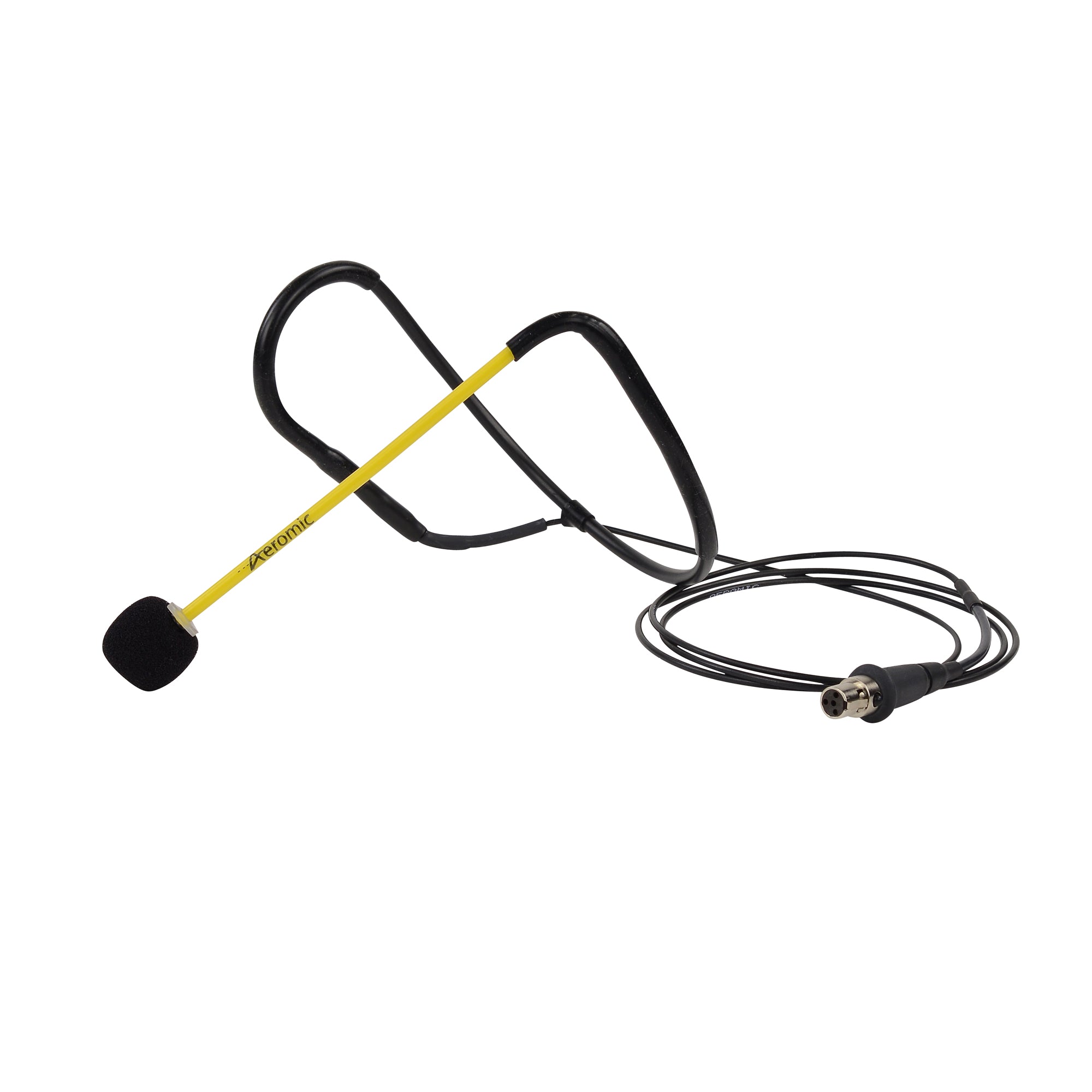
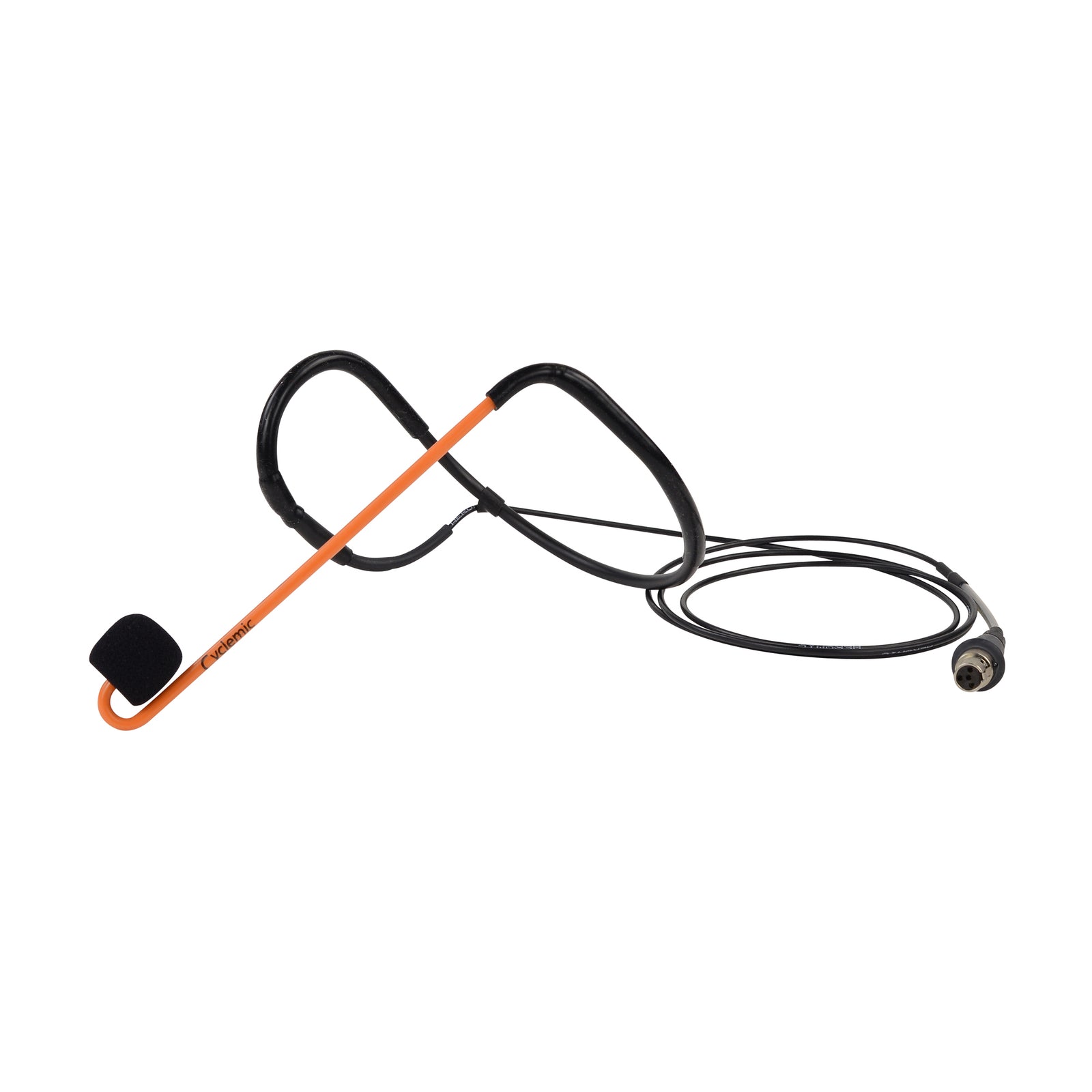
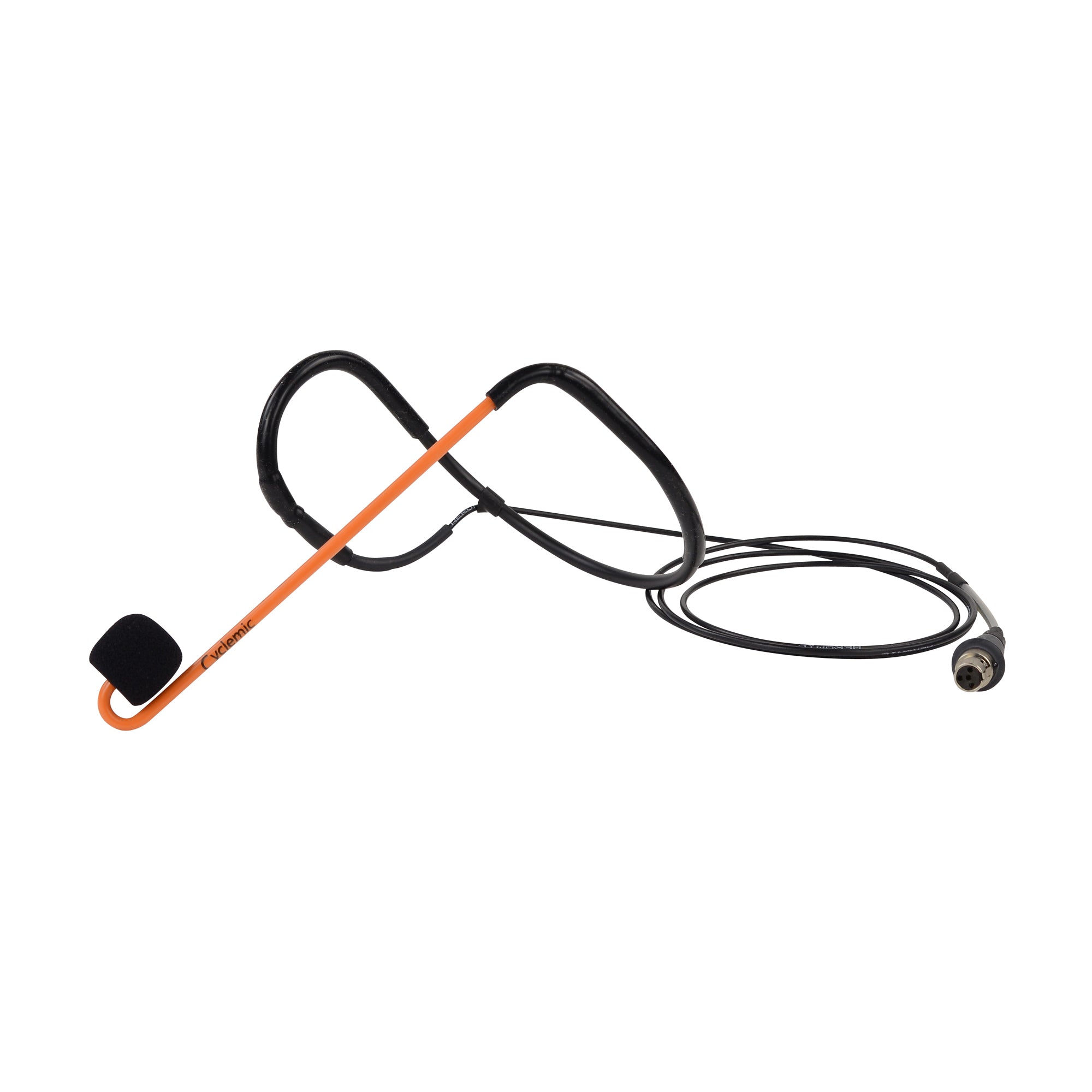
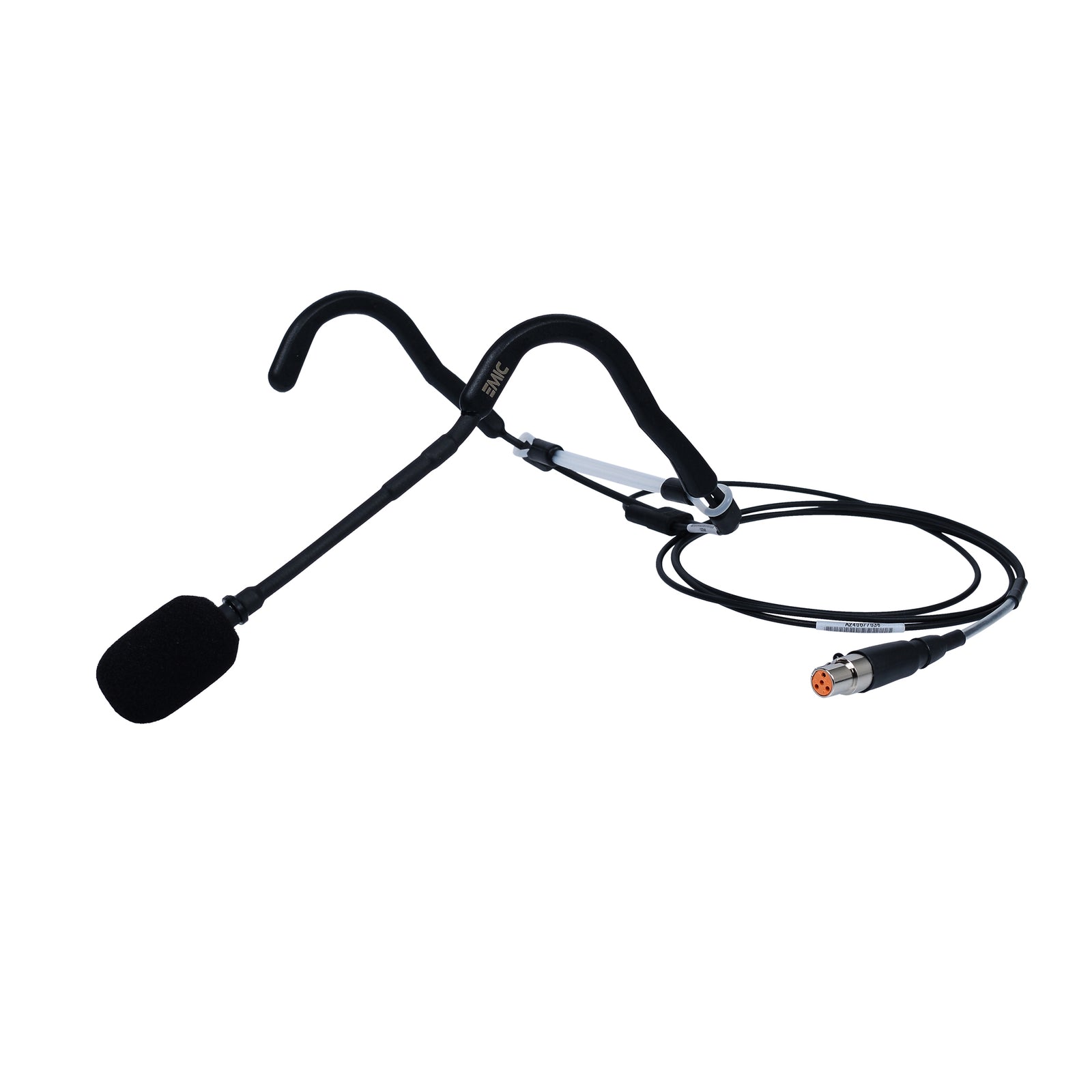


At Fitness Audio, we know that great group fitness classes start with more than energy – they start with clear, reliable sound. A quick, two-minute sound check can be the difference between a seamless, engaging session and a frustrating, disjointed experience.
Importance of a Sound Check Before Fitness Classes
For any fitness instructor, the ability to effectively communicate and motivate is paramount. A pre-class sound check is the cornerstone of ensuring this. The sound system is a critical component, and quickly confirming that the microphone is functioning correctly, the speaker levels are balanced, and the music clarity is optimal avoids potential disruptions. By investing just a few minutes, instructors can protect their vocal health, maintain a consistent class flow, and ultimately boost participant engagement.
A short sound check safeguards against:
-
Technical issues: Catch problems with microphones, connections, or low batteries before class begins.
-
Vocal strain: Ensure the microphone and speakers are at the right levels so instructors can speak naturally, even in back-to-back sessions.
-
Class flow disruption: Avoid awkward pauses or breaks caused by audio problems, keeping workouts seamless and engaging.
Your 2-Minute Sound Check Routine
-
Test the Microphone
-
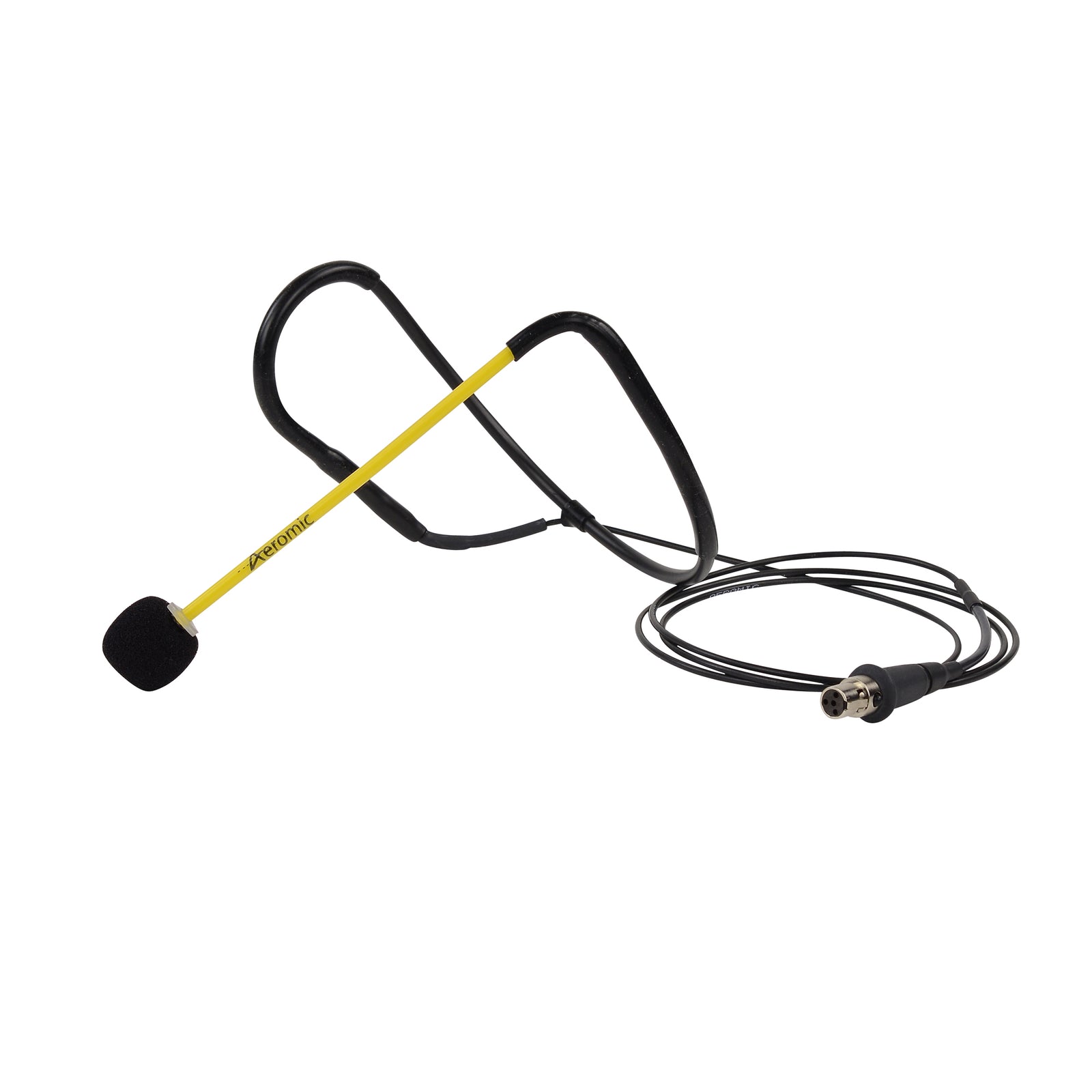
Switch on your headset or handheld mic and check that the connection is secure.
-
Speak naturally and listen for distortion, static, or dropouts.
-
Verify battery levels to prevent interruptions mid-class.
-
Adjust Speaker Levels
-
Play a typical workout track and walk around the room.
-
Ensure every participant can hear instructions without music being overpowering.
-
Pay attention to bass, treble, and overall balance for clear, well-rounded sound.
-
Check Music Clarity
-
Music should energise without masking the instructor’s voice.
-
Adjust equaliser (EQ) settings if necessary to prevent muddiness, particularly in bass-heavy tracks.
-
Final Walkthrough
-
Move to the back of the studio to ensure the instructor’s voice is audible and balanced throughout the space.
-
Make small tweaks to speaker angles or volume as needed.
Additional Sound System Tips for Fitness Instructors
-
Regular Equipment Inspection: Check cables, connections, and microphones for wear and tear.
-
Invest in Fitness-Optimised Equipment: Choose microphones and speakers designed to withstand movement and sweat.
-
Maintain Safe Volume Levels: Prolonged exposure to loud music can affect hearing. Aim for sound levels that are engaging but safe (below 85 decibels when possible).
Troubleshooting Common Issues
Even with regular sound checks, issues can arise, so fitness instructors should be prepared to troubleshoot. If the microphone cuts out, check the battery and the wireless connection to the transmitter. If the sound is distorted, adjust the speaker level or check the audio source. If the music clarity is poor, adjust the equaliser settings on the sound system. For persistent problems, consult the equipment manuals or contact technical support. Consistent checks, alongside an instructor's proactive approach, will ensure smooth class delivery.
Boost Engagement and Class Quality
A reliable sound setup isn’t just technical – it enhances the participant experience. Clear instruction, balanced music, and consistent audio allow participants to focus on technique, stay motivated, and enjoy the class. Regular feedback from class members can help fine-tune your sound environment.