

The difference between a basic gym and a premium wellness space is not always defined by size, equipment quality, or budget. In many cases, it comes down to how the environment is designed to be experienced.
As fitness and wellness expectations continue to evolve, particularly in hotels, residential developments, and lifestyle-focused facilities, there is a growing distinction between functional workout rooms and fully considered wellness environments.
Today's users expect more than access to exercise equipment. They are increasingly seeking spaces that feel comfortable, motivating, and aligned with broader wellness goals. Whether they're staying at a hotel, living in a premium residential development, or using a corporate wellness facility, people now place greater value on the overall experience surrounding their workout.
At Fitness Audio, we work with developers and facility operators to bridge this gap through integrated sound, lighting, and acoustic design.
Function vs Experience
A basic gym is typically designed to provide functional fitness equipment in a dedicated space. The focus is on utility:
- Cardio machines
- Weights and resistance equipment
- Basic flooring and mirrors
- Standard lighting and audio
These facilities fulfil their primary purpose by providing a place to exercise, but they often stop there.
A premium wellness space, however, considers how users experience the environment, not just what equipment is available.'
This includes:
- Lighting design
- Acoustic control
- Sound system quality
- Spatial layout
- Environmental consistency
The goal is to create a space that supports both physical activity and overall comfort.
This shift reflects a broader change within the fitness industry. Wellness is no longer viewed solely through the lens of physical performance. Increasingly, facilities are being designed to support mental wellbeing, stress reduction, recovery, and overall quality of life. The environment itself plays a significant role in achieving these outcomes.
The Role of Sound Design
Audio systems play a significant role in differentiating basic gyms from premium wellness environments.
In basic installations, sound systems are often treated as secondary infrastructure. This can lead to:
- Inconsistent coverage
- Limited clarity
- Over-reliance on volume
- Poor integration with the space
These issues can negatively impact the user experience. Music that is too loud in some areas and barely audible in others creates inconsistency and distraction. Staff may also struggle to manage audio levels effectively throughout the day.
Premium environments typically use commercial-grade audio systems designed specifically for fitness and wellness applications.
At Fitness Audio, systems are engineered to provide:
- Even sound distribution across zones
- Clear music playback at controlled volume levels
- Reliable performance during peak usage
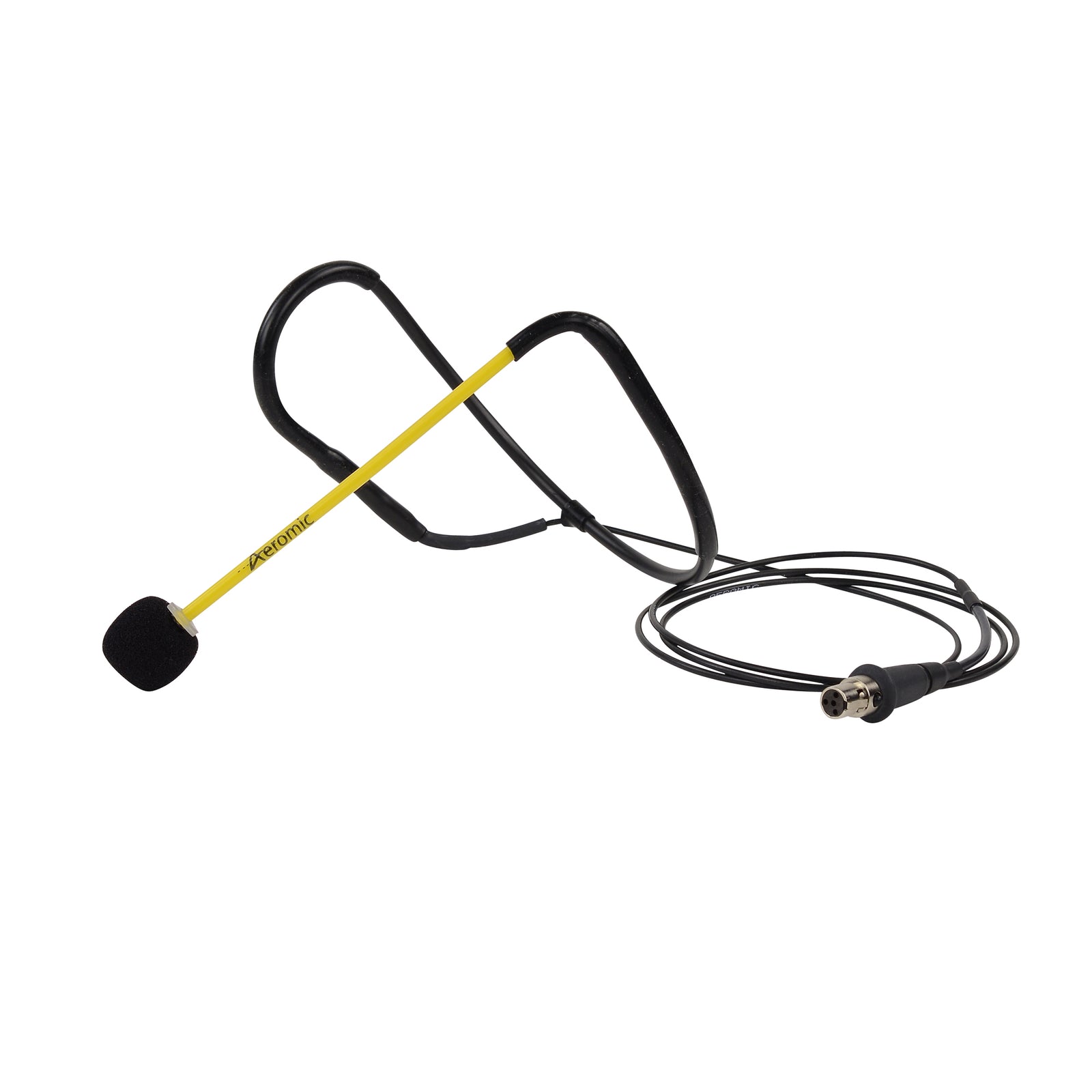
- Improved microphone clarity where required
This creates a more controlled and consistent environment that supports user experience.
Well-designed audio systems also contribute to the emotional atmosphere of a space. Music has the ability to influence energy levels, motivation, and engagement. When sound is delivered clearly and consistently, it enhances workouts without becoming overwhelming or intrusive.
Lighting as a Defining Factor
Lighting is another key differentiator between basic and premium spaces.
Basic gyms often use uniform overhead lighting, which provides functional visibility but limited atmosphere.
Premium wellness spaces tend to incorporate:
- Layered lighting systems
- Zoned illumination
- Adjustable brightness controls
- Feature lighting elements
These approaches help define different areas within the space and improve both usability and visual appeal.
Lighting also plays a role in perceived quality, influencing how modern and well-maintained a space appears.
Beyond aesthetics, lighting can support different activities and user behaviours. Brighter, energising light may be appropriate in strength and cardio zones, while softer lighting can create a calmer atmosphere in stretching, recovery, or wellness areas. This flexibility helps facilities deliver a more sophisticated and intentional experience.
Acoustic Control and Comfort
Acoustic performance is often overlooked in basic gym design.
Without treatment, reflective materials such as glass, mirrors, and concrete can create echo-heavy environments that reduce clarity and increase perceived noise levels.
Premium wellness spaces typically incorporate:
- Acoustic wall or ceiling treatments
- Strategic material selection
- Optimised speaker positioning
- Controlled sound zoning
These elements help ensure a more balanced and comfortable environment during use.
Good acoustics not only improve audio quality but also reduce listener fatigue. Excessive reverberation can make a space feel chaotic and stressful, particularly during busy periods. By controlling sound reflections and managing noise levels, facilities can create a more comfortable environment that encourages users to spend longer in the space.
Layout and Flow Considerations
Spatial design also contributes to how a gym is perceived.
Basic gyms often focus primarily on equipment placement, while premium wellness spaces consider:
- User flow between zones
- Clear separation of activity areas
- Adequate spacing for comfort
- Visual balance across the room
This improves usability and reduces congestion during peak times.
Thoughtful layouts can also support a stronger sense of organisation and professionalism. Users should be able to move naturally between areas without confusion or interruption. Creating distinct zones for cardio, strength training, functional fitness, stretching, and recovery contributes to a more intuitive and enjoyable experience.
When combined with effective lighting and audio design, a well-planned layout helps create an environment that feels purposeful and cohesive rather than simply functional.
Integrated AV Systems
A key feature of premium wellness environments is system integration. Rather than operating sound, lighting, and control systems independently, they are often designed to work together.
This allows for:
- Simplified operation
- Consistent experience across the space
- Improved reliability
- Easier management for staff or facility operators
Fitness Audio designs integrated AV systems that combine sound and lighting control for fitness and wellness environments.
Integrated systems can also support operational efficiency. Staff spend less time managing technology and troubleshooting issues, while facility operators gain greater control over how the environment performs throughout the day. This consistency helps ensure that every user receives the same high-quality experience regardless of when they visit.
Why Premium Experiences Matter
Investing in wellness-focused design is not simply about aesthetics. For many operators, it can influence member retention, guest satisfaction, and overall facility perception.
In competitive markets, users often compare experiences rather than equipment specifications alone. A facility that feels modern, comfortable, and thoughtfully designed is more likely to leave a positive impression and encourage repeat visits.
For hotels, premium wellness spaces can contribute to stronger guest reviews. For residential developments, they can enhance property value and resident satisfaction. For corporate environments, they can support employee wellbeing initiatives and workplace engagement.
Final Consideration
The difference between a basic gym and a premium wellness space is defined by more than equipment selection.
It is shaped by how sound, lighting, acoustics, and layout work together to create a cohesive environment.
At Fitness Audio, we focus on designing systems that support this integration, helping transform functional fitness rooms into more considered wellness spaces that align with modern expectations.
As wellness continues to become a key consideration across hospitality, residential, and commercial developments, the facilities that stand out will be those that prioritise the complete user experience. By investing in thoughtful environmental design, operators can create spaces that not only support physical activity but also deliver a lasting sense of quality, comfort, and wellbeing.