

In the fast-paced world of group fitness, every second counts. But what if those seconds are being stolen by something as seemingly insignificant as an audio delay? It's time to address a silent killer of class momentum: audio latency. Even small audio delays can disrupt the flow, reduce instructor effectiveness, and impact participant engagement. Let's explore why and how to ensure seamless audio in your fitness environment.
What is Audio Delay?
Audio delay, also known as audio latency or lag, is the time it takes for sound to travel from its source (microphone, music player) to the speakers. In a fitness setting, this delay can manifest as a noticeable difference between what an instructor says or what music plays and when it's actually heard by the participants. Even a fraction-of-a-second lack of synchronisation between audio and video can disrupt the rhythm and coordination essential for an effective workout. Ensuring proper audio sync is therefore paramount for a seamless experience.
Common Sources of Audio Delay
Several factors can introduce delay in fitness settings:
-
Wireless microphones, especially older or budget models, can suffer from latency.
-
Bluetooth devices, which introduce delay through encoding and decoding processes.
-
Digital audio processing equipment or complex AV setups.
-
Large room acoustics, where distance affects sound travel.
While Bluetooth offers convenience, it is often the biggest culprit for lag in group classes. Even low-latency Bluetooth solutions may still be noticeable depending on the room and system. For consistent timing, dedicated low-latency systems are preferable.
How Audio Delay Impacts Classes
Disruption of Class Flow
Even minor audio delay disrupts classes – music or instruction delay makes participants lose sync, harms choreography and timing, and reduces confidence and enjoyment, especially with Bluetooth headphones.
Instructor Effectiveness and Engagement
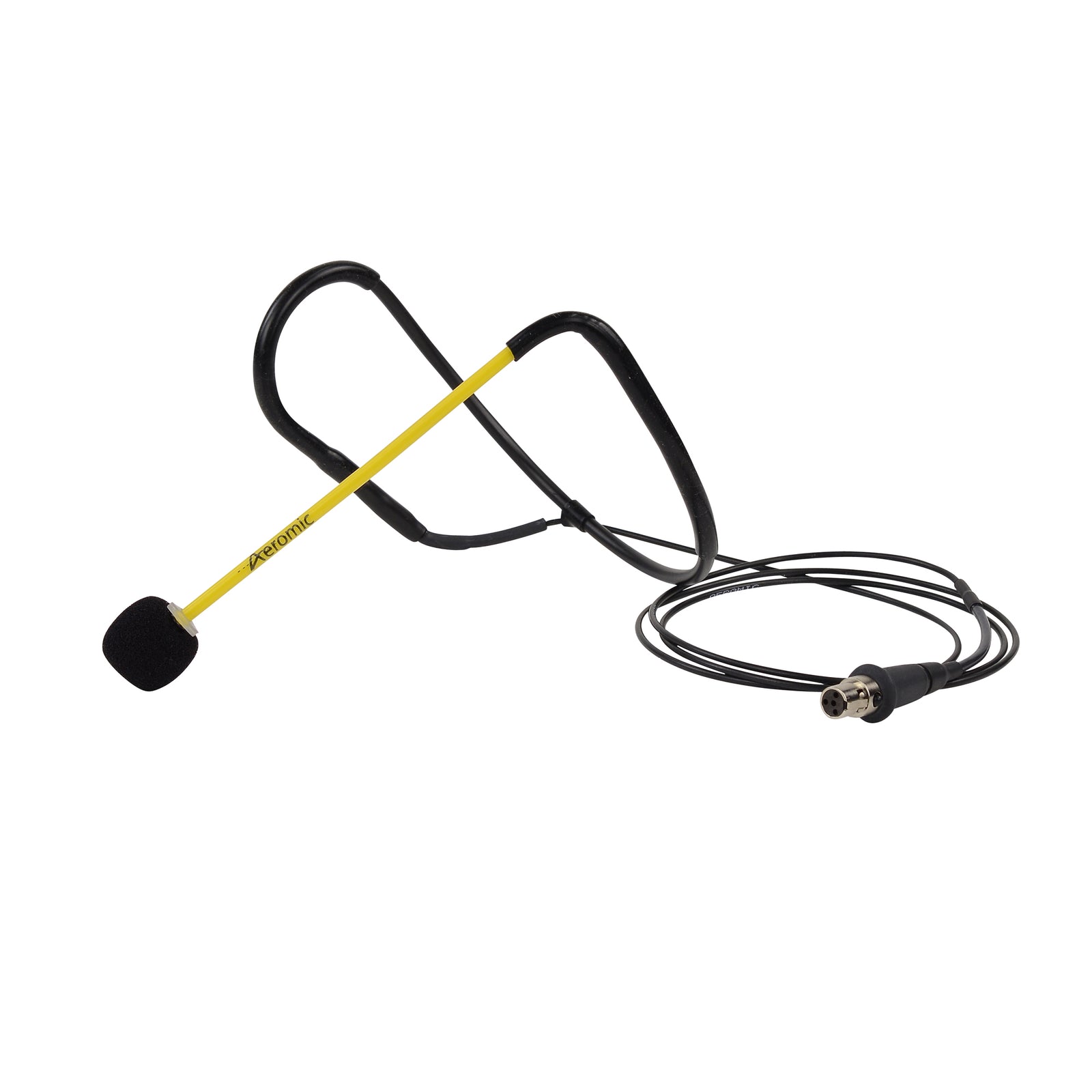
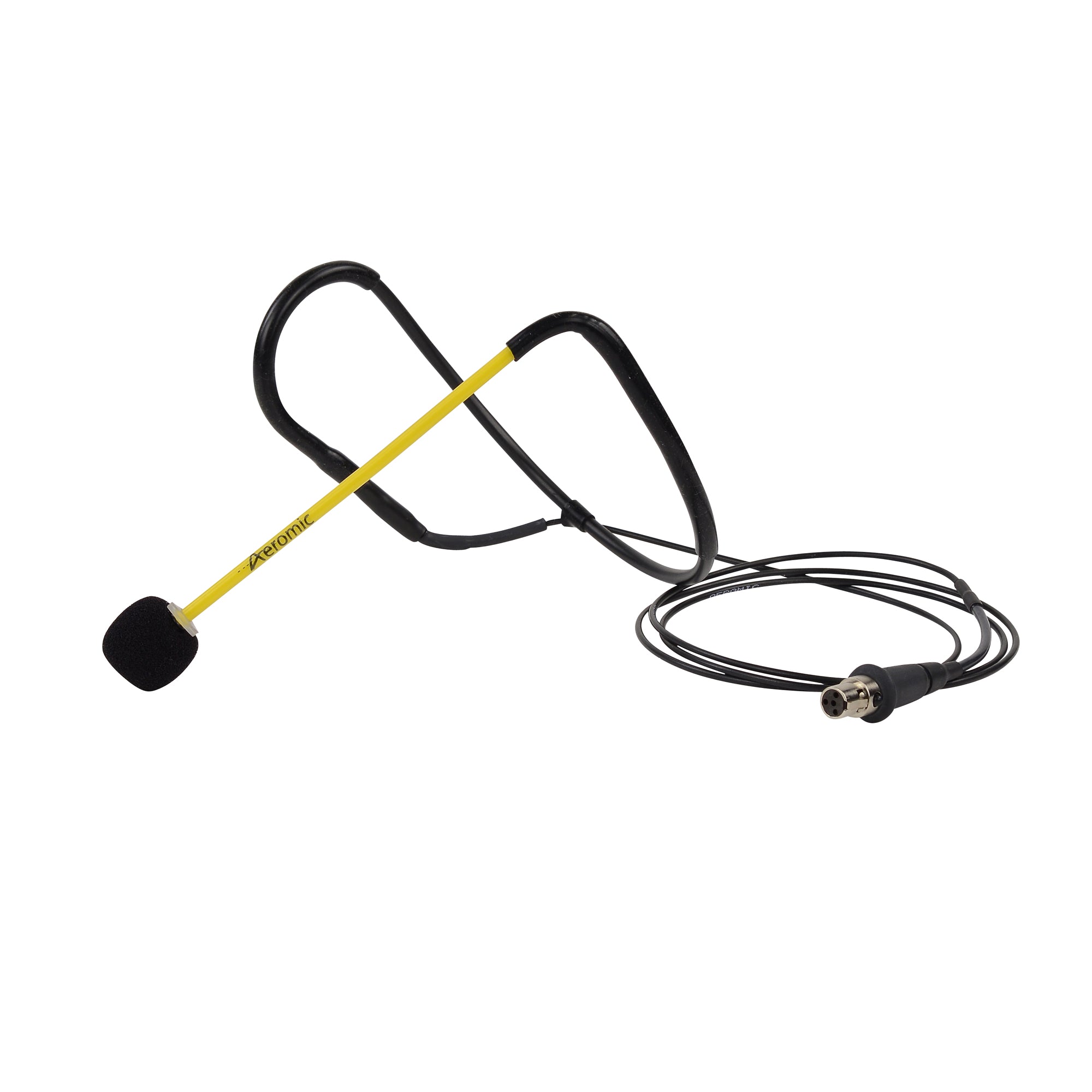
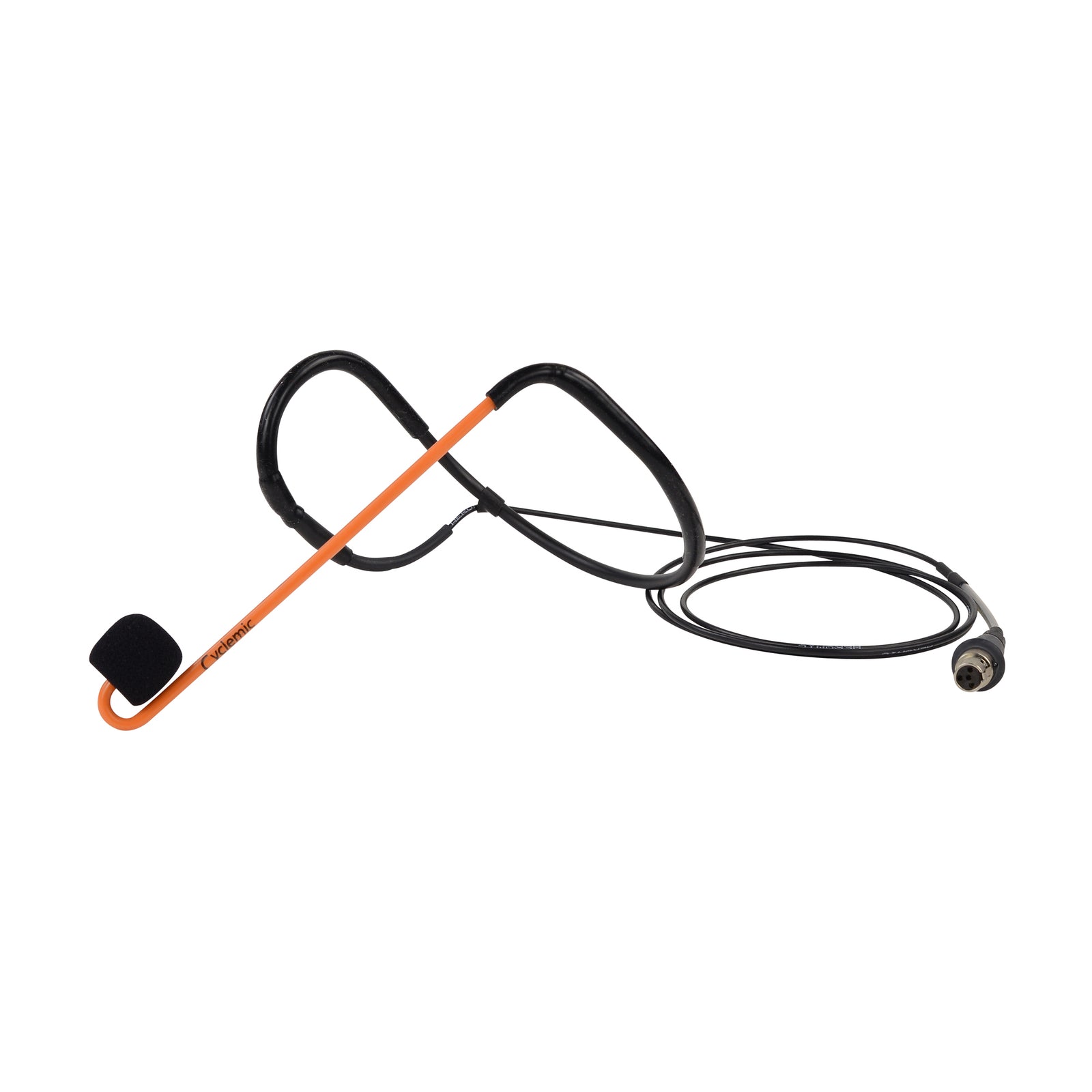
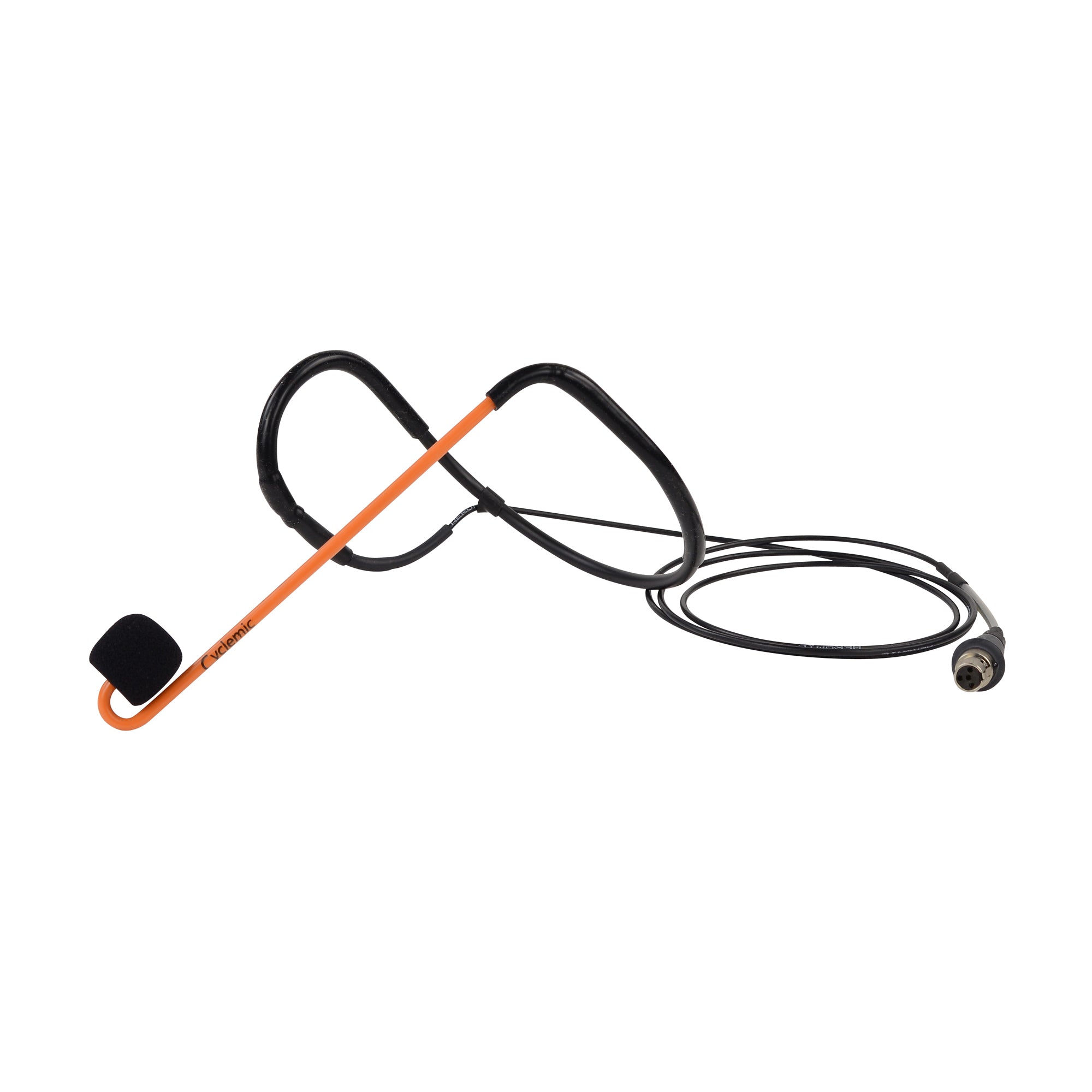
Audio delay undermines instructor effectiveness and engagement – it's hard to lead a class when your voice is out of sync with music or movement. The resulting frustration lowers energy and confidence. Fitness Audio offers durable products like the Aeromic and Cyclemic to ensure your voice is heard clearly and without delay.
Participant Experience and Retention
Audio delay harms participant experience and retention. When audio and video are out of sync, instructions are hard to follow and motivation drops, making workouts less enjoyable. Eliminating audio delay keeps participants engaged, motivated, and likelier to return.
Solutions to Eliminate Audio Delay
Invest in Low-Latency Audio Systems
The first step to eliminating audio delay is to invest in low latency audio systems: choose wireless microphones and processing gear made for real-time performance, avoid Bluetooth, prefer dedicated wireless frequencies or digital transmission, and check every point from source to speakers for delay.
Optimising Your Audio Setup
To reduce audio delay, check and secure high-quality cable connections. Adjust your TV or external speaker system's audio delay/sync settings for better alignment. If audio still lags, try changing the audio output format or switching between HDMI and optical to identify and fix latency issues.
Streamlined Controls
Complicated audio setups can create additional delays when instructors adjust volume or EQ mid-class. Simple, intuitive controls let instructors maintain flow without distraction, keeping energy high and avoiding frustration.
Keeping Classes in Sync
Fitness Audio specialises in designing and installing optimised audio solutions for fitness studios and gyms. These solutions minimise and ensure seamless. From wireless microphone systems to audio processing equipment, Fitness Audio provides high-quality, durable, and reliable products tailored to the demanding environments of fitness facilities. Whether you're a solo instructor or manage a large facility, Fitness Audio can help you eliminate and maintain class momentum.