

The fitness landscape is evolving, and with it, the soundscape of group fitness classes. A growing trend is emerging, one that champions lower music volume without sacrificing the energy and effectiveness of the workout. This "quiet class revolution" focuses on creating an environment that is both engaging and mindful of hearing health.
Understanding Sound Levels in Fitness
More facilities are offering lower-volume fitness classes. Disciplines like Pilates, Yoga, Barre and mobility show workout intensity doesn't require loud music – the key is to get the balance of music volume in group fitness just right.
Reducing music volume levels in fitness settings brings several advantages. This is particularly noticeable in how it helps different groups:
-
For instructors, it reduces vocal strain and improves communication.
-
For attendees, it allows for better focus and a more immersive experience.
Furthermore, adopting safer sound practices in fitness environments contributes significantly to long-term hearing health, addressing the risk of noise-induced hearing loss.
Maintaining Energy in Lower-Volume Classes
Maintaining engagement in lower-volume fitness classes requires a shift in focus. Instead of relying on loud music to drive energy, instructors can employ strategies such as dynamic vocal cues, varied movement patterns, and creative use of silence. Instructors can still maintain workout intensity by encouraging participants to focus on the subtleties of movement and breath, fostering a deeper mind-body connection. All of this helps to reduce the risk of noise-induced hearing loss while keeping your class numbers high.
Examples of Effective Low-Volume Classes
Many popular disciplines already demonstrate the effectiveness of lower-volume workouts. We can observe this in practices where certain elements are key:
-
Pilates focuses on precise movements and core engagement.
-
Yoga emphasises breath control and mindfulness.
Barre classes blend ballet-inspired exercises with strength training, often relying on tactile cues and adjustments rather than loud music. Even stretch and mobility classes benefit from a quieter atmosphere, allowing participants to fully relax and focus on their bodies. These examples show that workout intensity and safer sound practices in fitness can coexist harmoniously.
Optimising Sound Systems for Quieter Classes
-
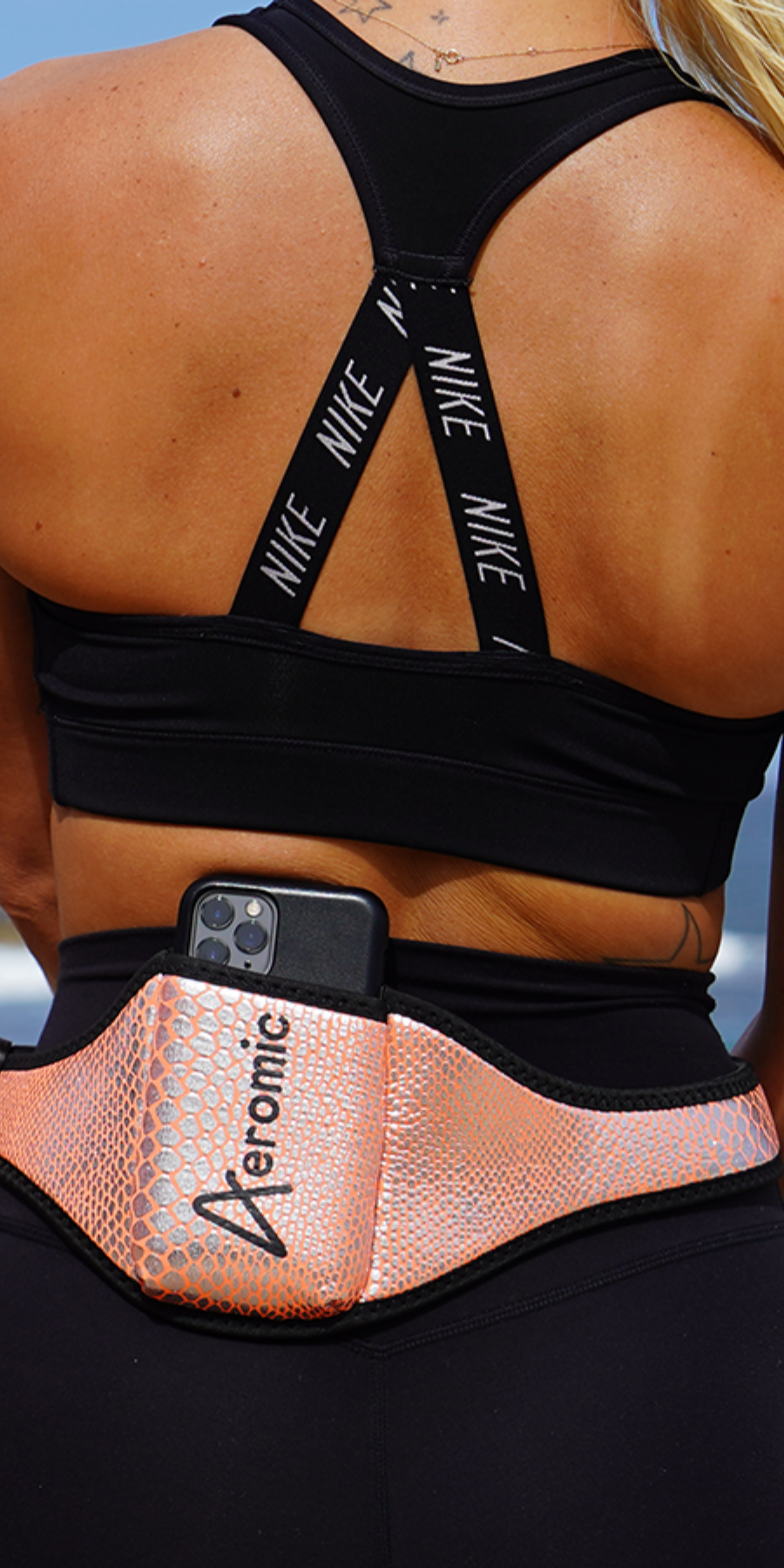
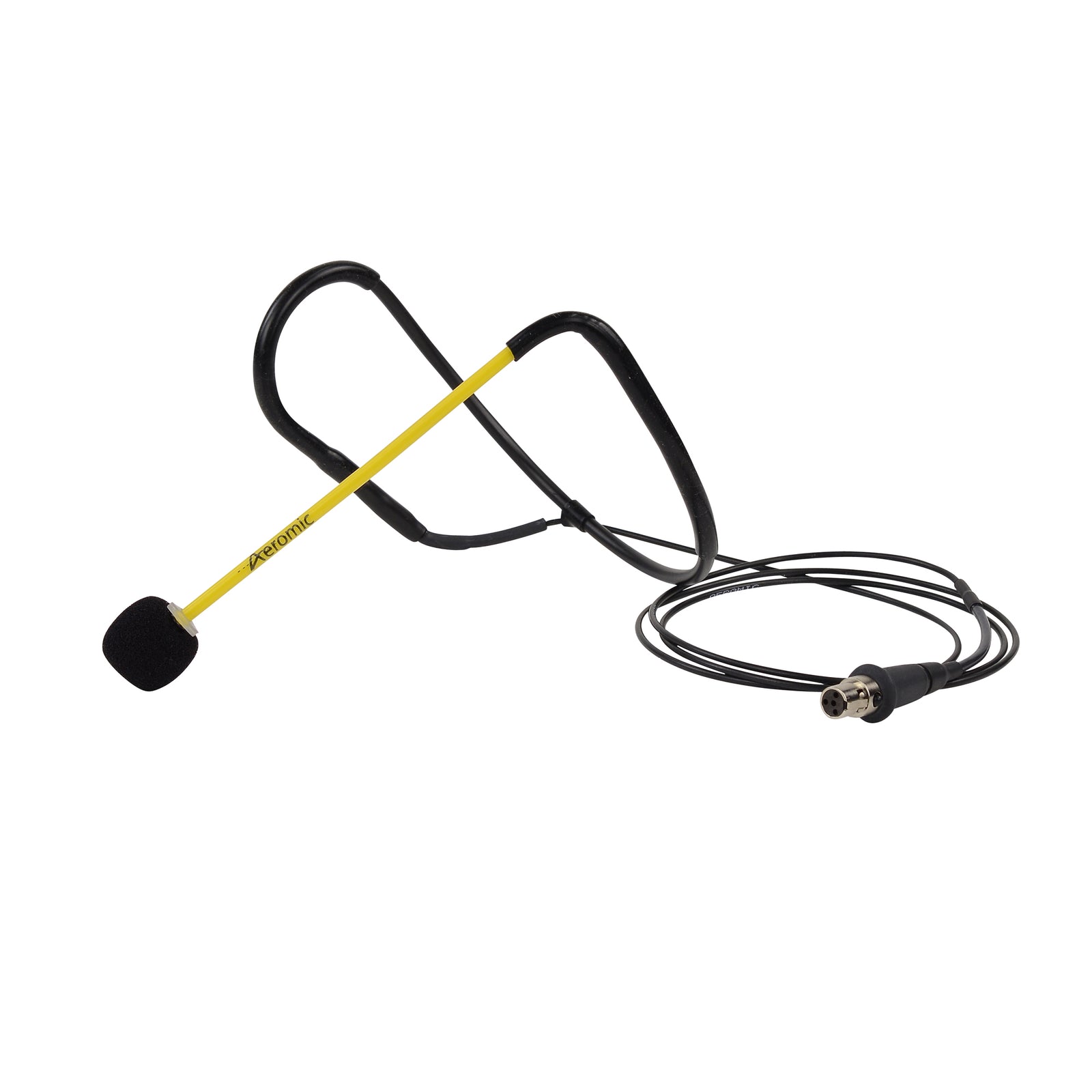
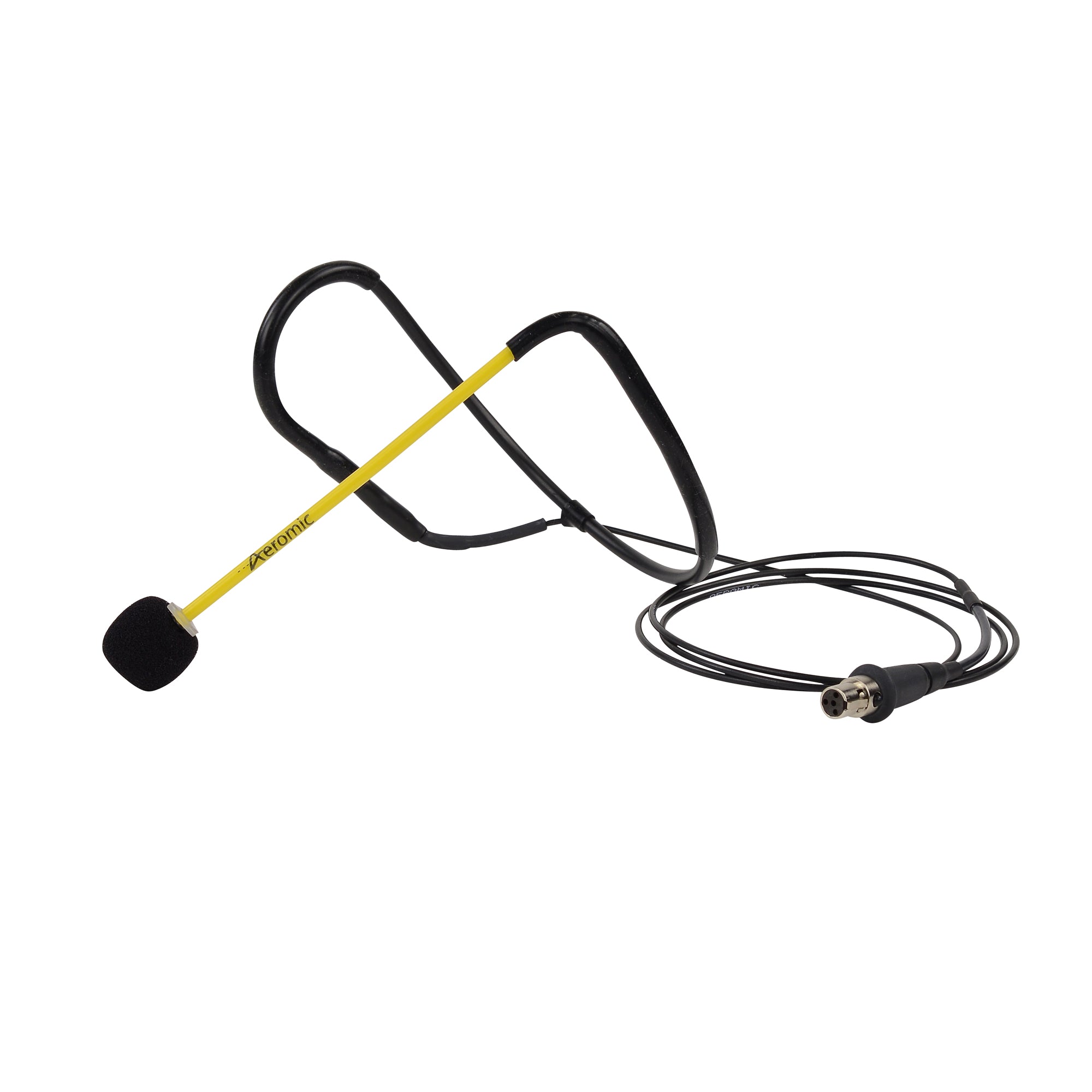
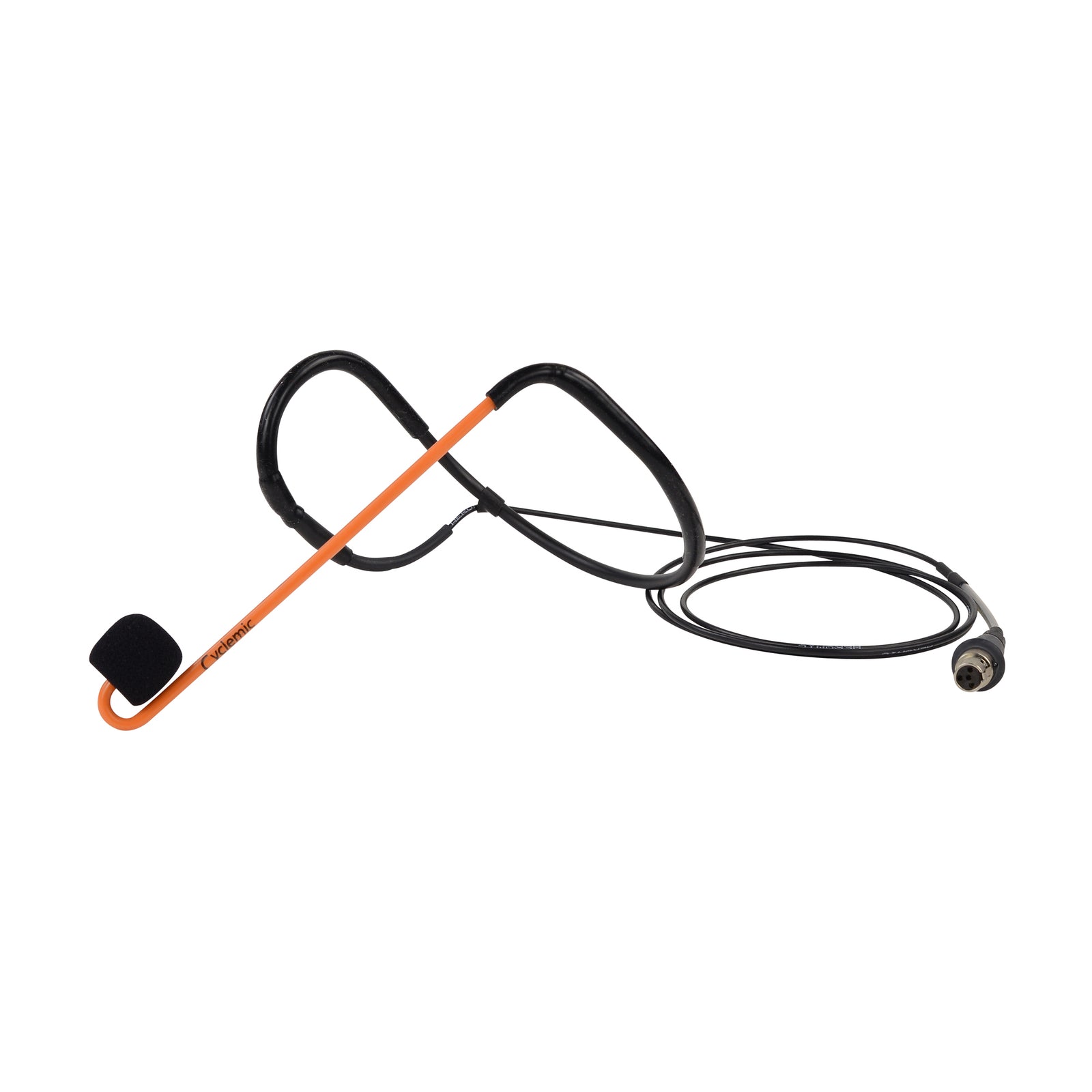
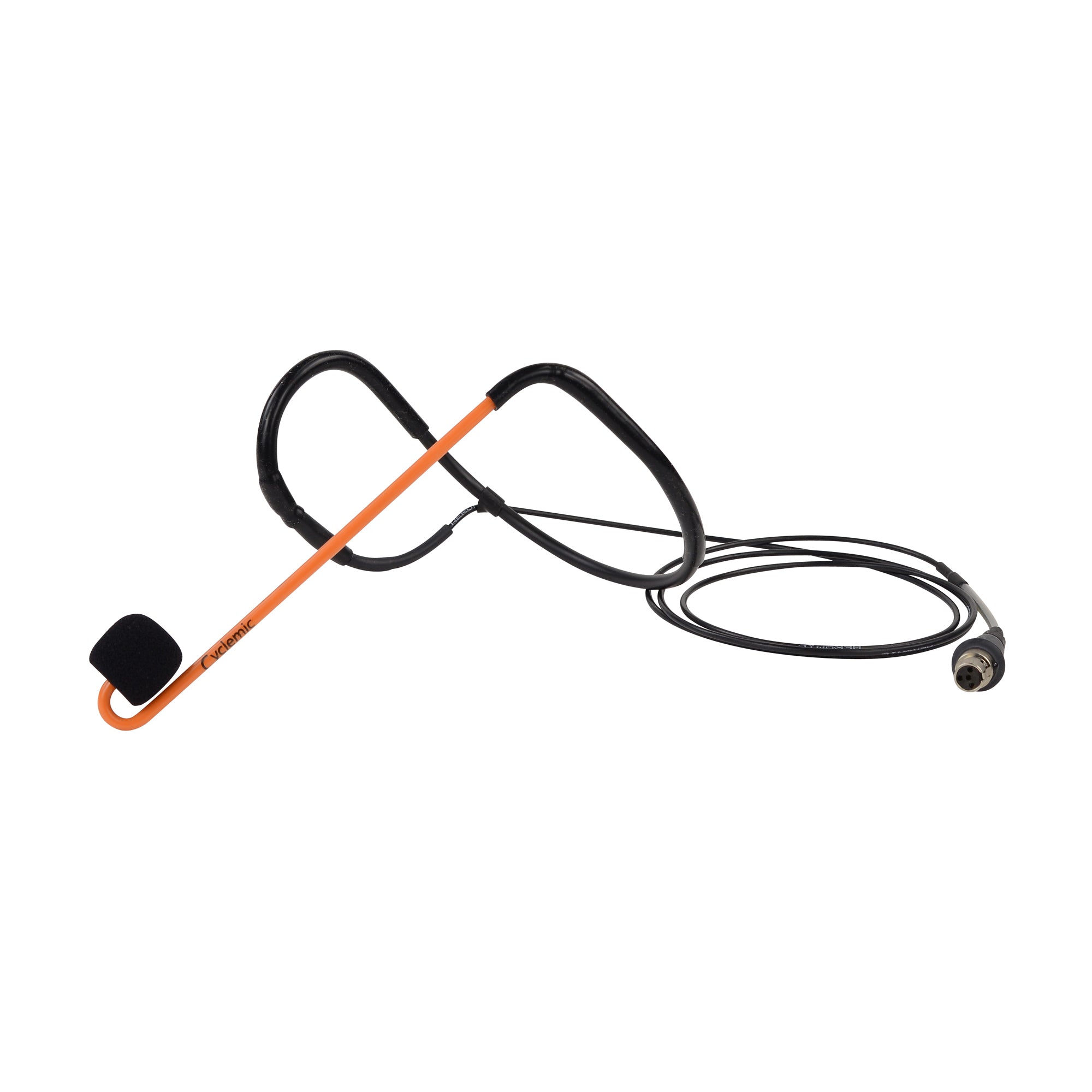
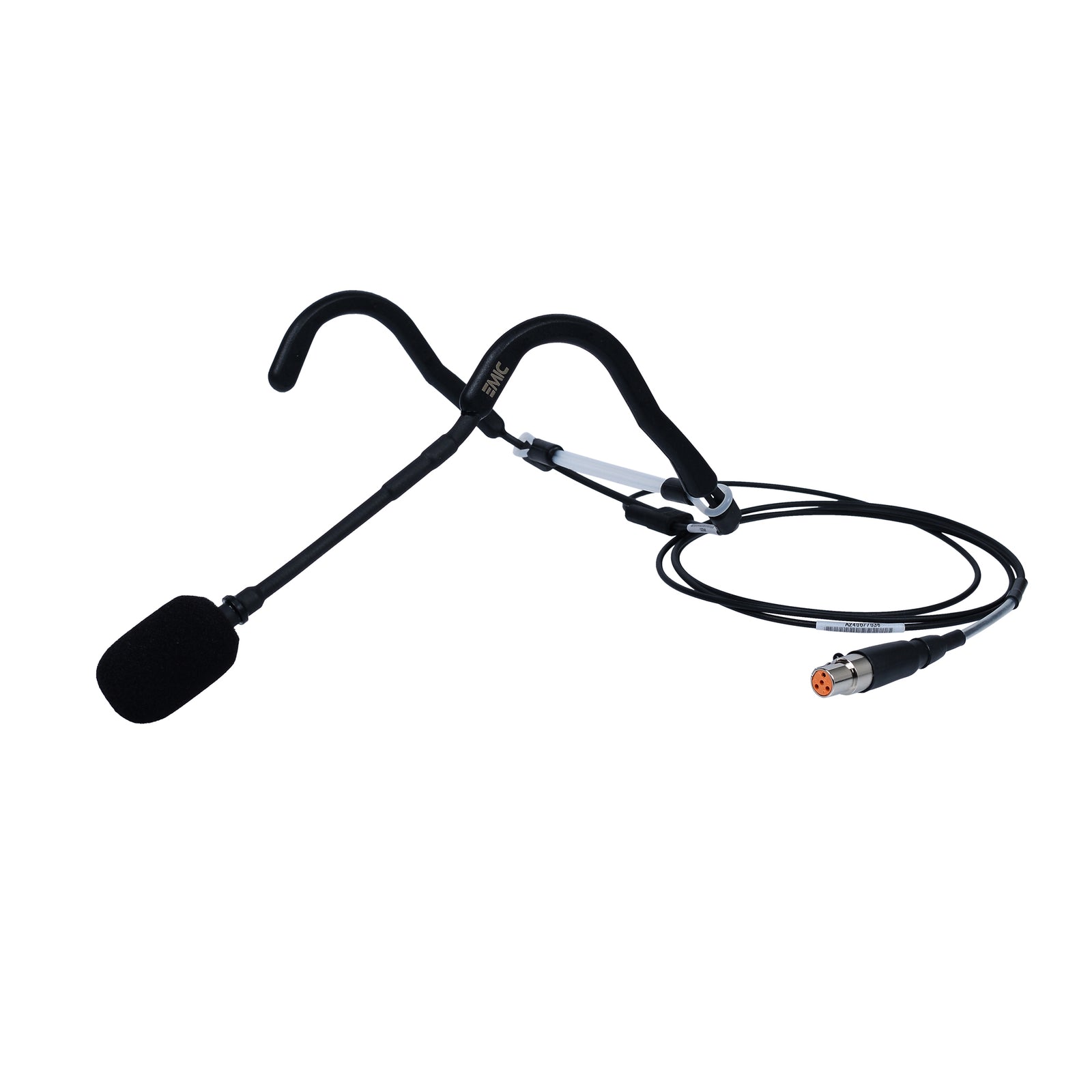
Microphone choice: A quality, sweat-resistant microphone like the Aeromic or Cyclemic ensures instructors’ voices carry clearly over music without raising volume, minimising vocal strain.
-
Speaker placement: Strategically placed speakers distribute sound evenly, avoiding hotspots and excessive exposure. Adjusting speaker height and angle ensures clarity for all participants.
-
EQ adjustments: Proper equalisation enhances vocal clarity and reduces harsh frequencies. Boosting mid-range frequencies highlights the instructor’s voice, while reducing extreme bass or treble prevents fatigue and maintains balance.
Partnering with Fitness Audio
Fitness Audio provides equipment designed for lower-volume classes. Our microphones and portable PA systems help instructors be heard without excessive music, supporting safer sound practices. The Fitness Audio team offers guidance on optimising sound systems, selecting suitable microphones, and maintaining workout intensity in quieter environments.
Creating a sustainable sound environment is an investment in the long-term well-being of instructors and participants, improving engagement and ensuring classes can continue safely for years to come.