

Group fitness classes impose distinct and greater demands on sound systems compared to quiet training sessions or background music in gym environments. As occupancy increases, ambient noise rises, human bodies absorb sound, and instructors depend more on audio to maintain clarity and momentum. These conditions reveal whether a sound system is purpose-built for group fitness or merely installed for general music playback.
In high-attendance classes, sound is not just an accessory. It becomes a functional tool that supports instruction, timing, and energy. At Fitness Audio, we design sound systems with these real-world conditions in mind, because busy group fitness environments reveal how well an audio system truly performs.
When rooms fill, acoustics change
One of the most overlooked realities of group fitness is how dramatically acoustics shift as class numbers increase. A full room behaves very differently from an empty one. Bodies absorb sound, background noise increases, and reflections change as people move through the space.
In these conditions, systems that perform well during quieter periods can struggle. Music may lose impact, instructor voices can become harder to understand, and overall clarity can drop. This is not a volume issue; it is a design issue.
Sound systems designed for group fitness must be engineered to maintain clarity and balance as occupancy levels change. Fitness Audio accounts for this from the outset, designing systems that remain consistent whether a class has ten participants or forty.
Clarity matters more than volume
In busy classes, turning the volume up is rarely the solution. In fact, excessive volume often makes things worse by reducing speech intelligibility and increasing listener fatigue.
What matters most is clarity, particularly the relationship between music and the instructor’s voice. Participants need to feel the energy of the music while still receiving clear, effortless instruction. When this balance is wrong, instructors compensate by raising their voice, and members lose focus.
Fitness Audio designs systems that prioritise speech intelligibility alongside musical impact, ensuring instructors can communicate naturally even in high-energy, high-occupancy environments.
Consistent coverage across the room
Another challenge exposed in busy group fitness environments is uneven sound coverage. In poorly designed systems, sound may be overpowering in some areas while barely audible in others. As class numbers increase, these inconsistencies become more noticeable.
Members positioned at the back or edges of the room often struggle to hear cues clearly, while those closer to speakers experience excessive volume. This inconsistency fragments the class experience and disrupts cohesion.
Purpose-built sound systems are designed to distribute audio evenly across the entire space. Fitness Audio ensures that every participant, regardless of position, receives the same clear and balanced sound, maintaining unity and energy throughout the class.
Reliability during continuous use
Busy group fitness schedules often involve back-to-back classes with minimal downtime. Sound systems are expected to perform consistently for extended periods, often at higher output levels.
Systems that are not designed for this level of use may experience distortion, dropouts, or inconsistent behaviour over time. These interruptions break class flow and reduce confidence in the environment.
Fitness Audio designs and installs systems intended for sustained, reliable performance in active fitness settings. This reliability allows instructors and operators to trust the system, knowing it will behave predictably throughout the day.
Supporting instructors, not distracting them
In busy group fitness environments, instructors should not need to think about the sound system. Technology should support their teaching, not compete for their attention.
Complicated controls, inconsistent behaviour, or frequent adjustments add unnecessary cognitive load. Instructors already manage timing, coaching, and class energy; audio should simply work.
Fitness Audio focuses on intuitive system design that allows instructors to walk into a room and start teaching with confidence. When sound systems are easy to use and consistent, instructors can remain fully present with their participants.
Accommodating dynamic movement and energy
Group fitness environments are dynamic. People move, jump, cycle, and lift. Sound systems must be designed to operate effectively within this movement, not just around it.
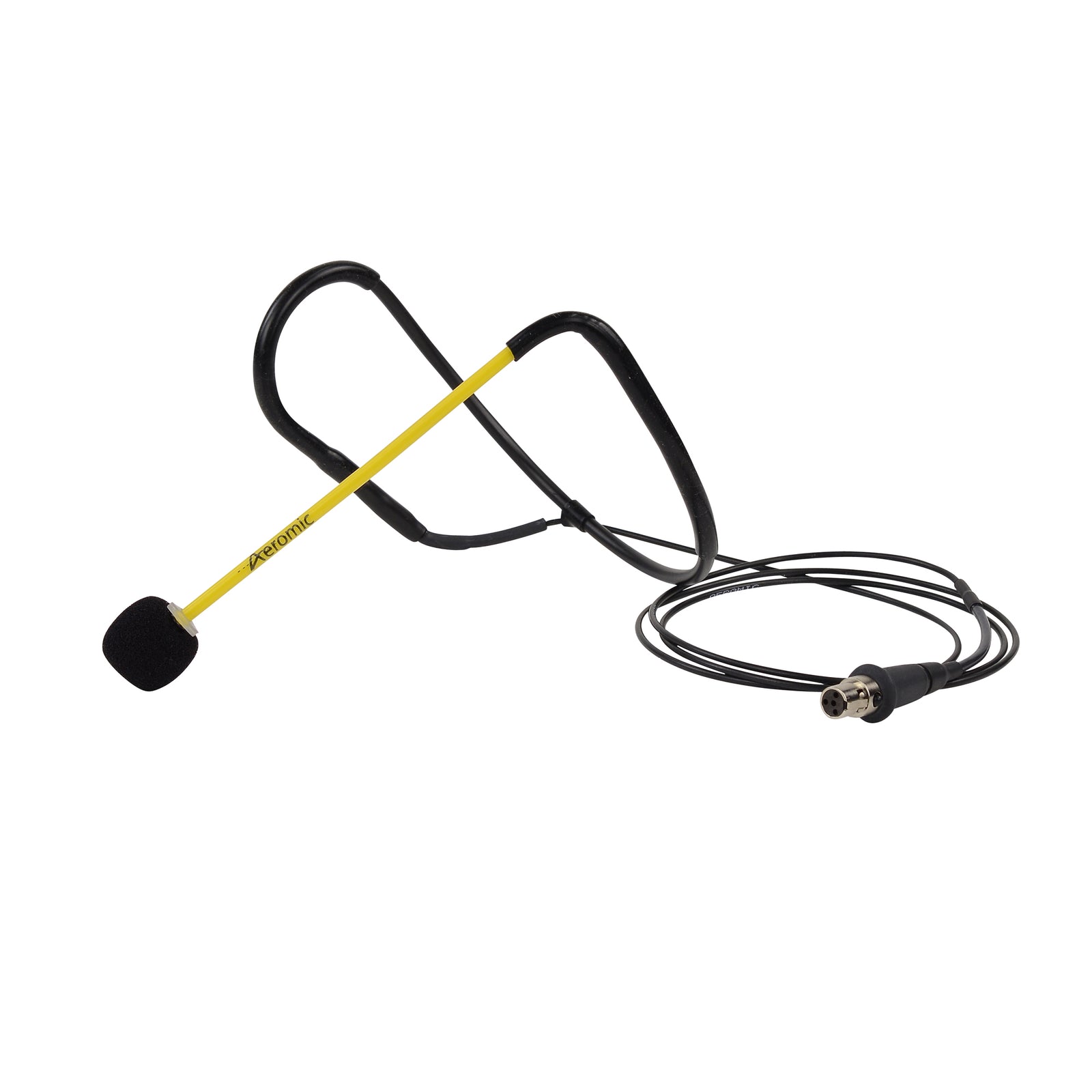
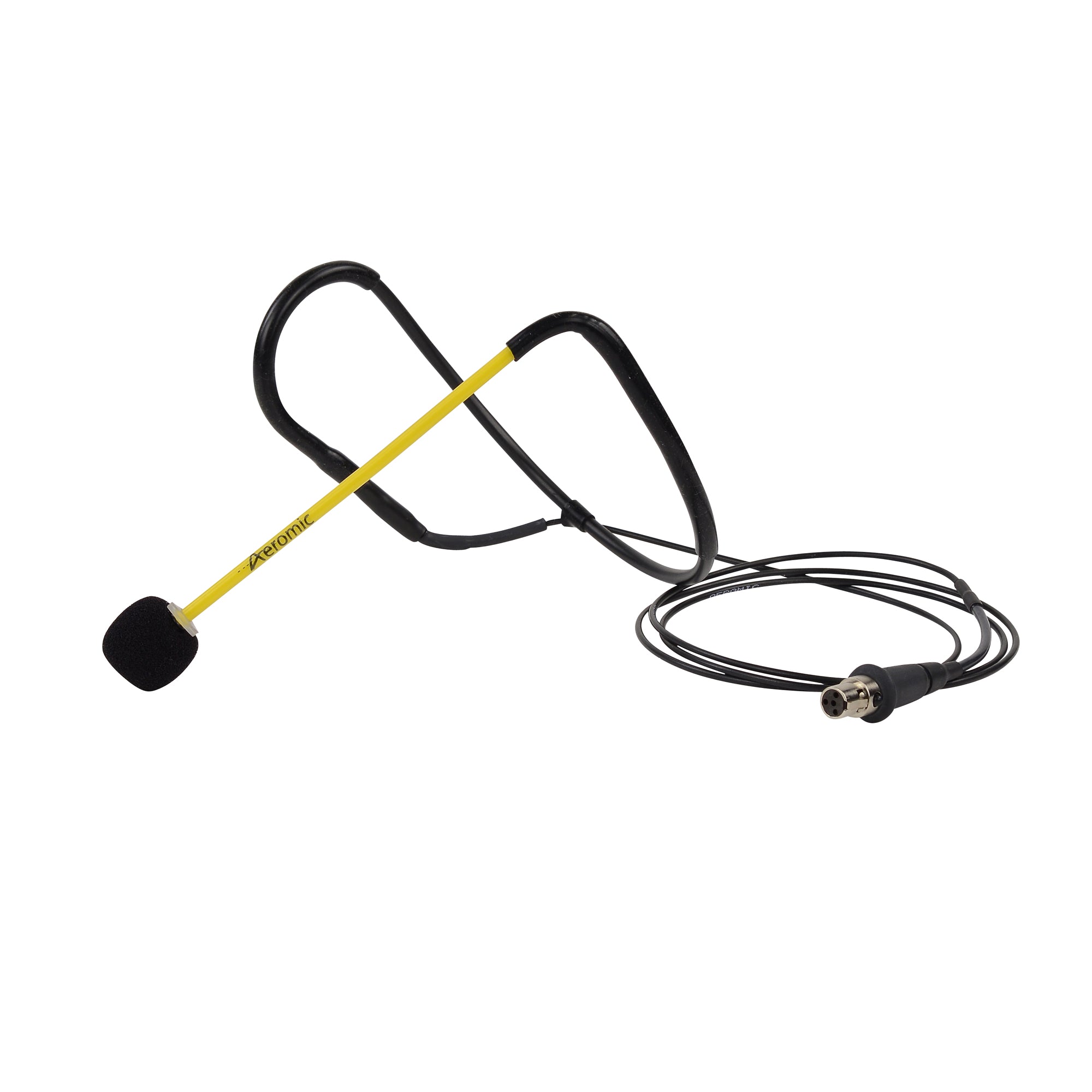
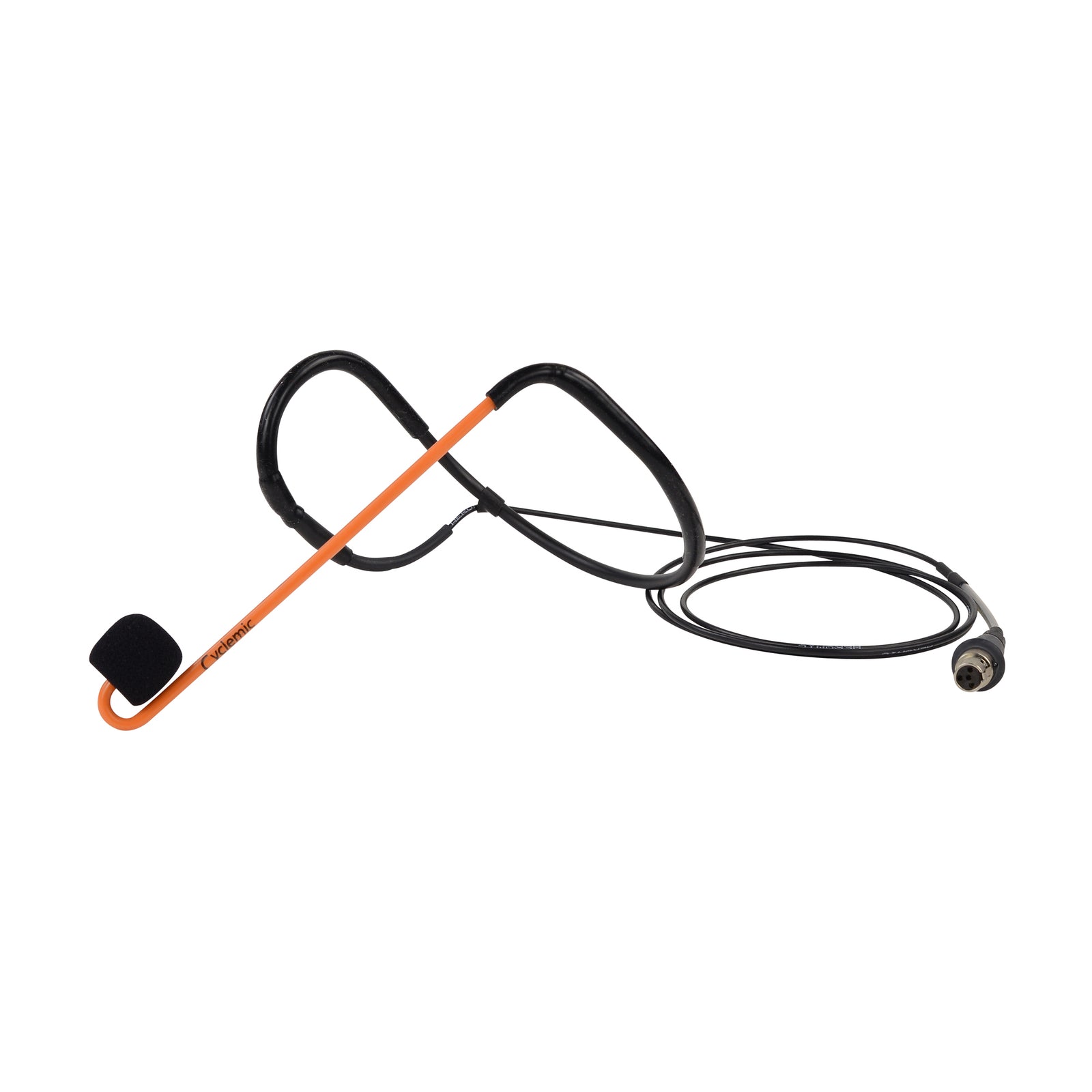
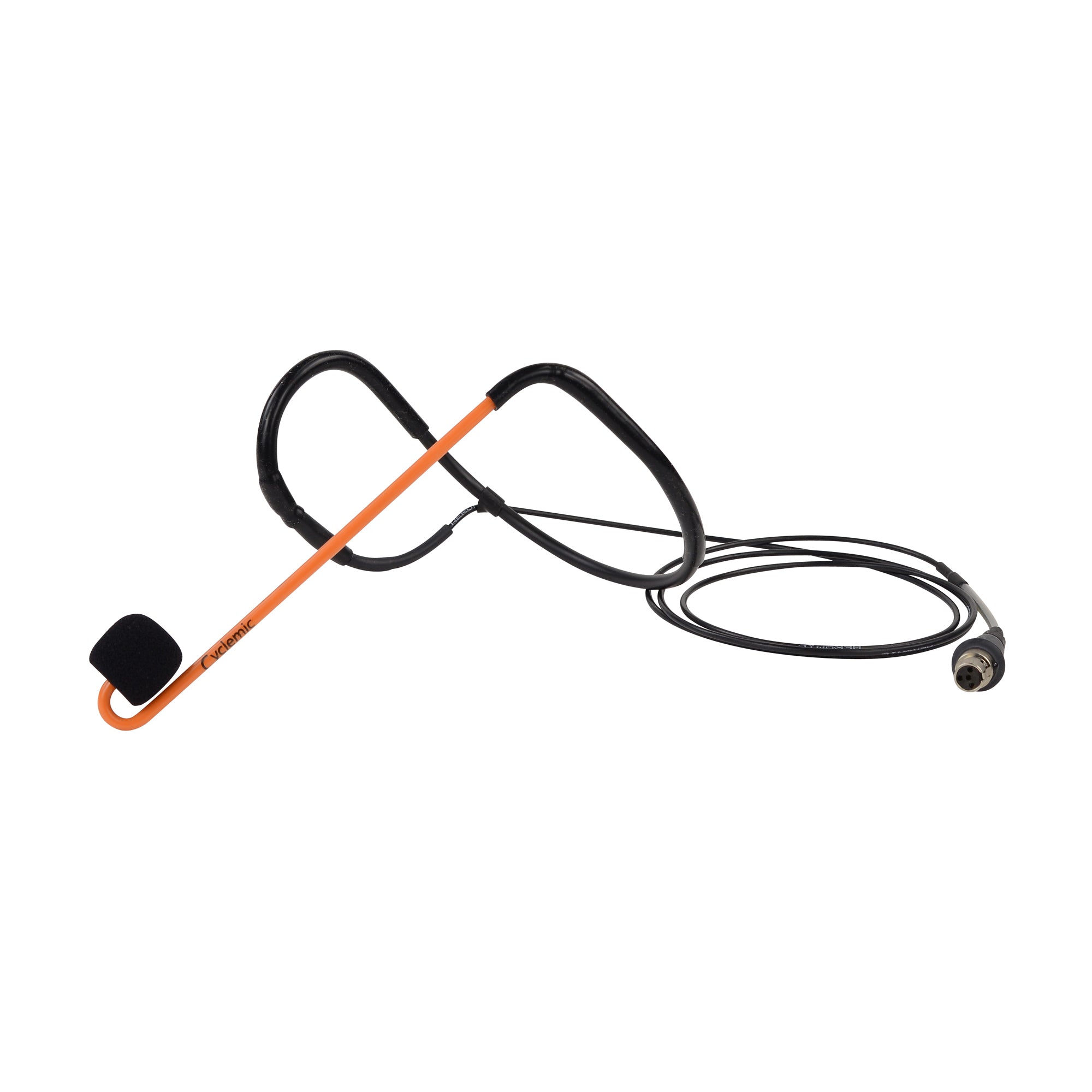
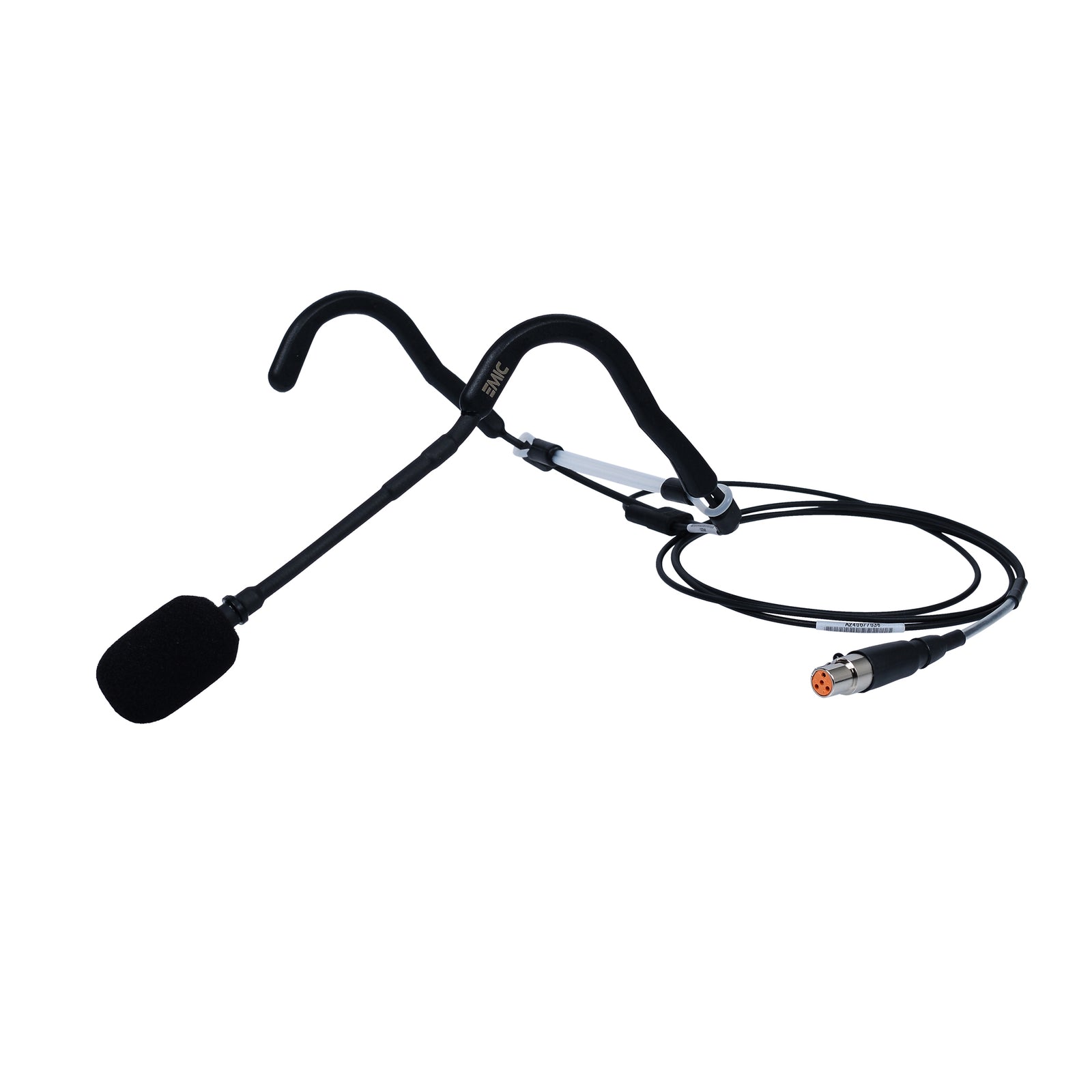
From speaker placement to microphone integration, Fitness Audio designs systems that complement the physical reality of group fitness classes. This ensures sound supports movement rather than competing with it.
Why busy classes reveal good design
Quiet periods rarely expose weaknesses in a sound system. It is during busy, high-energy group fitness classes that design decisions show their value. These environments highlight whether a system has been planned for clarity, coverage, and consistency, or simply installed to meet a basic requirement.