

In the dynamic environment of a modern gym or fitness centre, audio plays a far more critical role than simply providing background music. Effective sound management is essential for clear communication, safety, and overall member satisfaction. Poor audio systems can create safety risks, miscommunication, and member dissatisfaction, potentially increasing liability for gym operators.
This article explores how proper audio setup acts as a vital risk management tool, reducing liability and enhancing the fitness experience. With appropriate microphone choices, speaker placements, and reliable sound systems, gym owners and instructors can create a safer and more engaging environment for everyone.
Understanding Noise Risks in Gyms
Gyms are inherently noisy spaces. Cardio machines produce continuous sound, weights generate sudden impact noise, and group classes often involve music and vocal instructions. Excessive noise can damage hearing over time, strain instructors’ voices, and make communication difficult. Miscommunication can lead to injuries, while high sound levels may also disrupt neighbouring areas, leading to complaints or legal issues. Effective noise management is therefore essential for safety, member satisfaction, and liability reduction.
Best Practices for Effective Noise Control
Adopting a strategic approach to sound ensures safety and clarity:
-
Sound System Selection: A quality audio system delivers clear, consistent sound without excessive volume. Look for systems with adjustable volume and equalisation options to balance music and instruction.
-
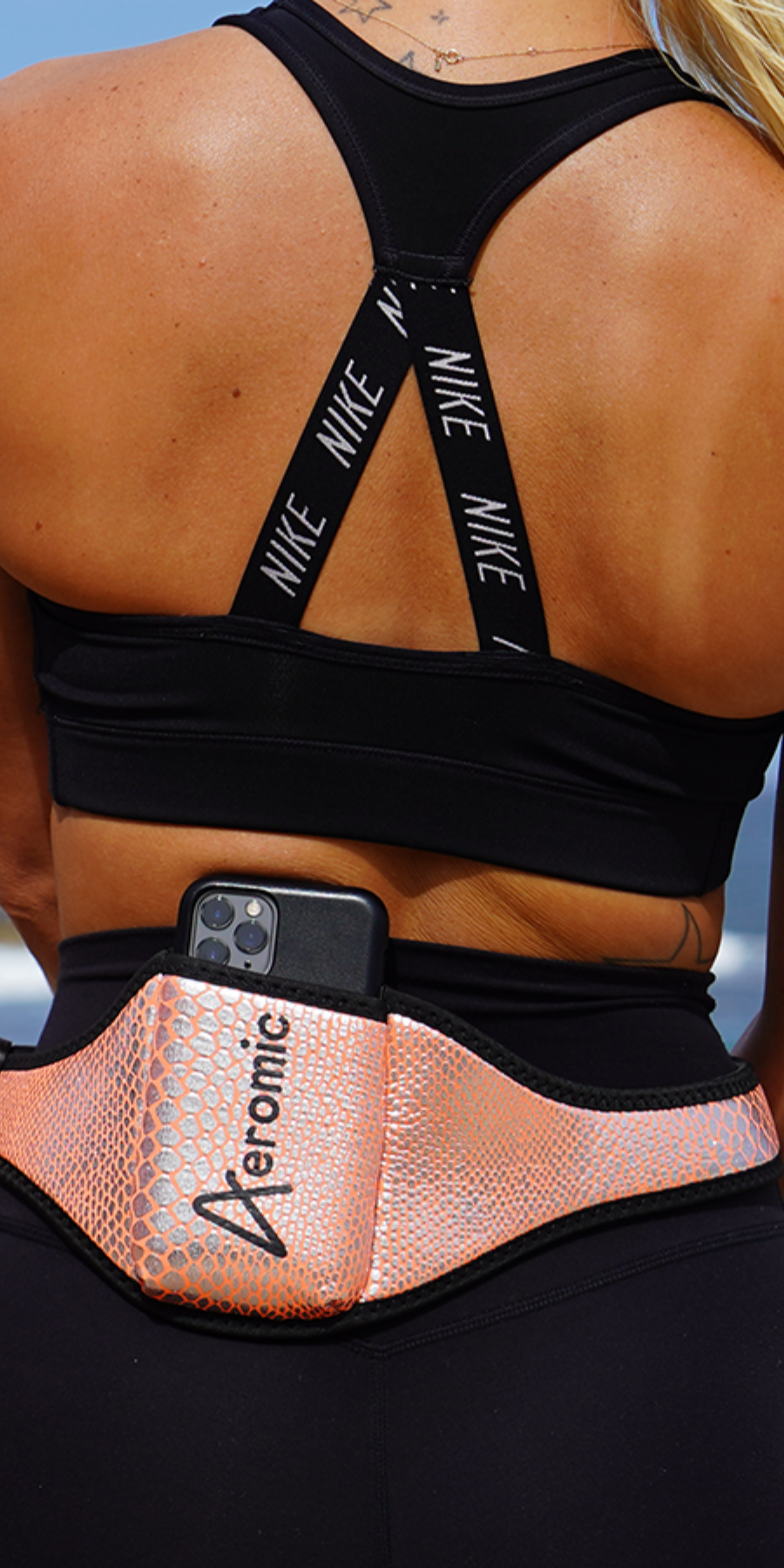
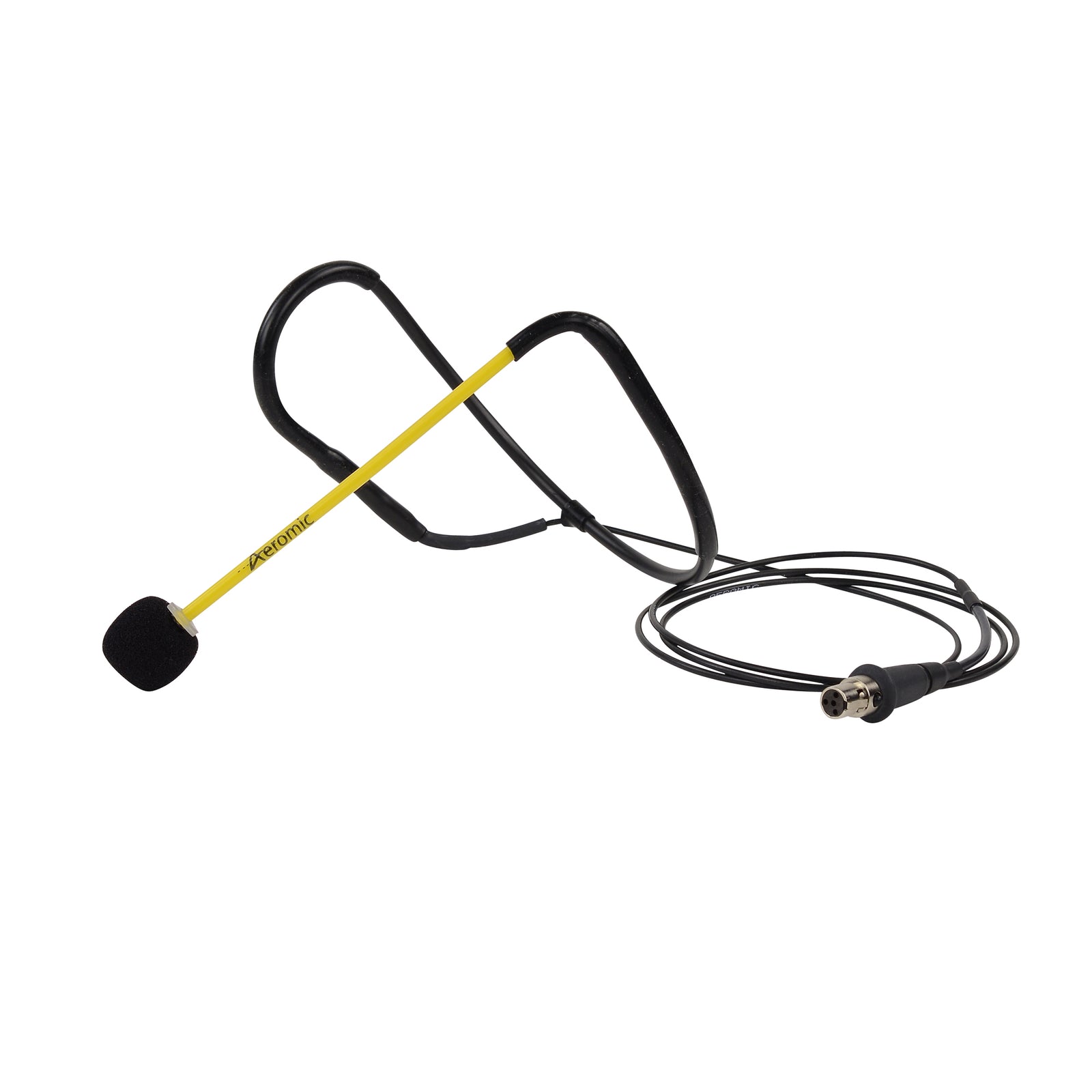
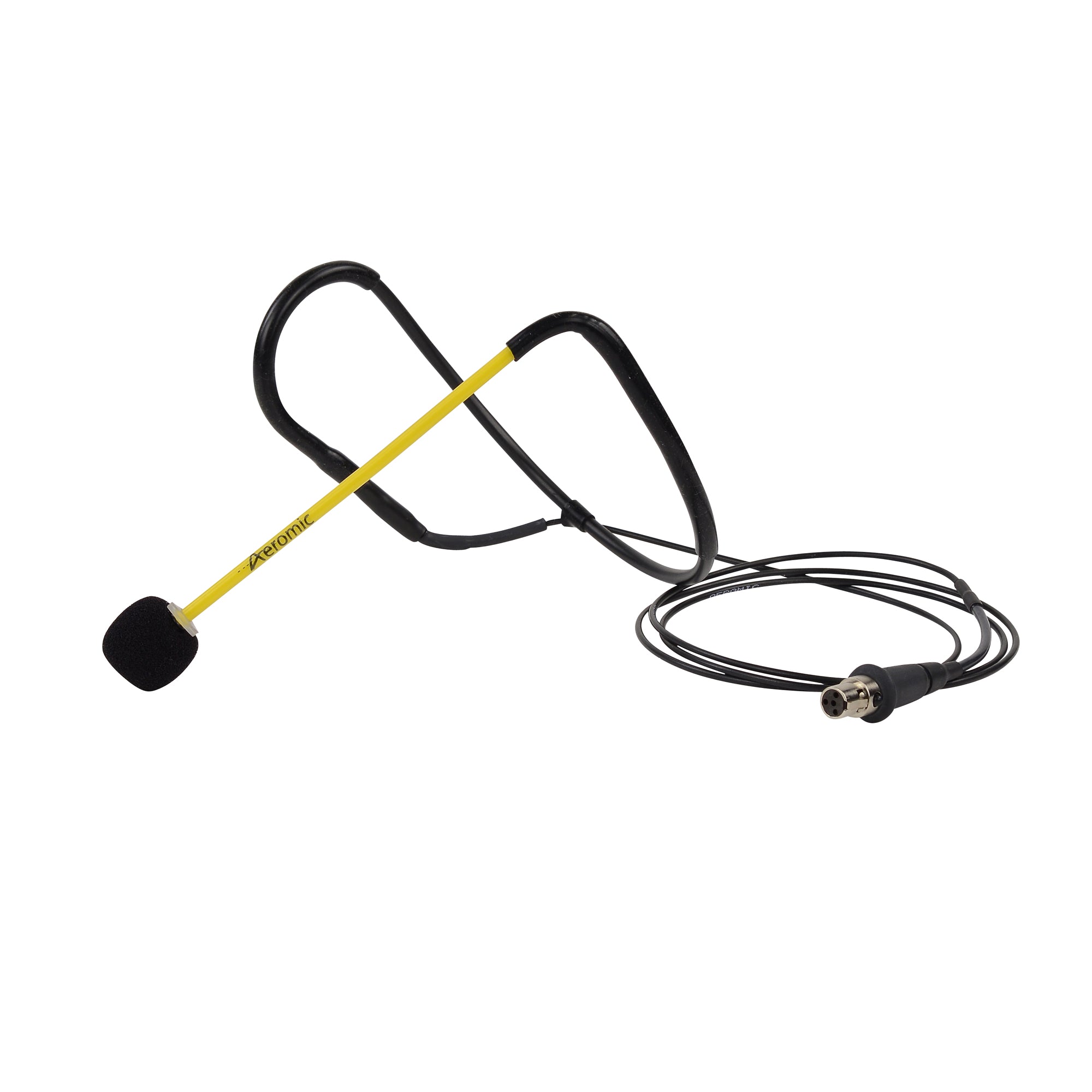
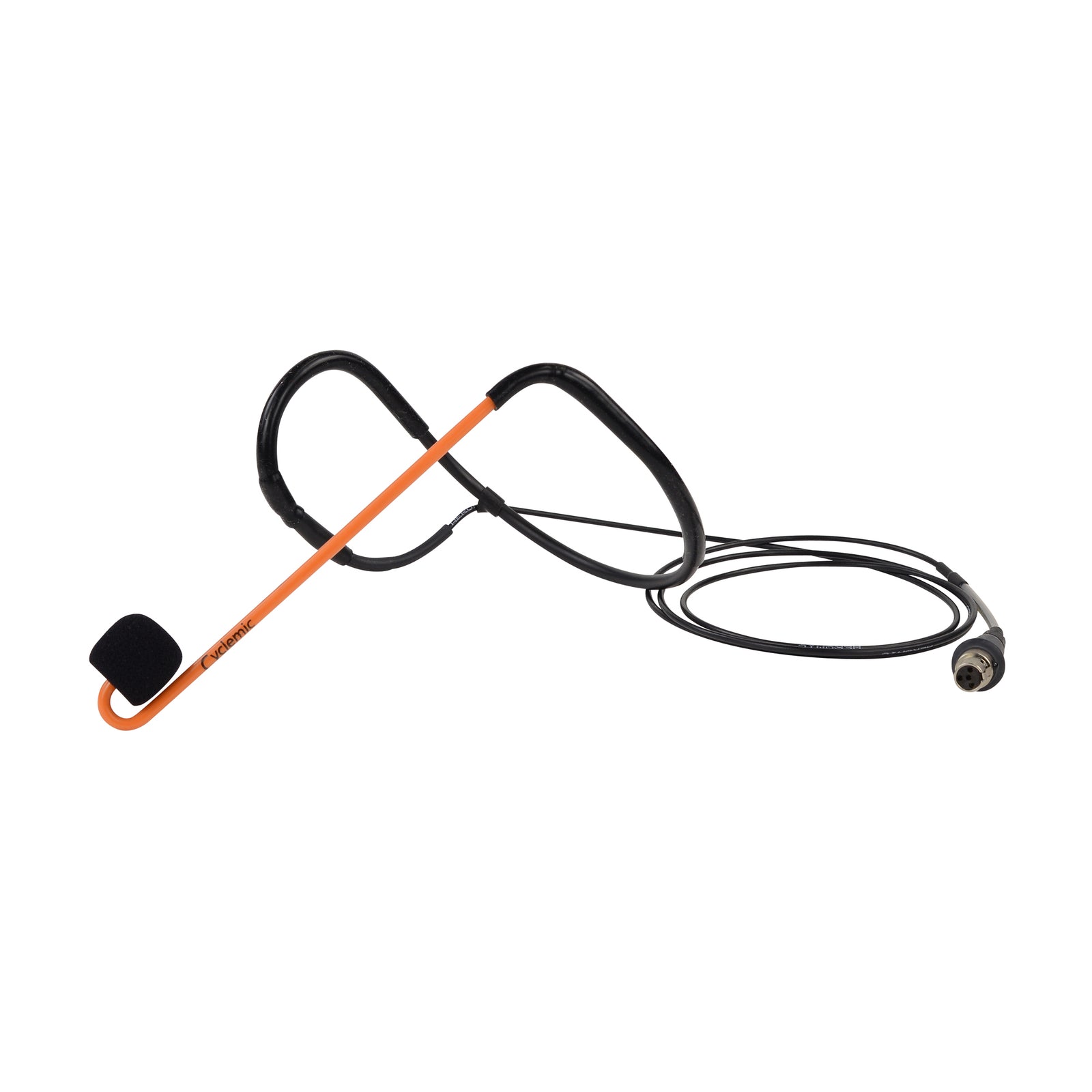
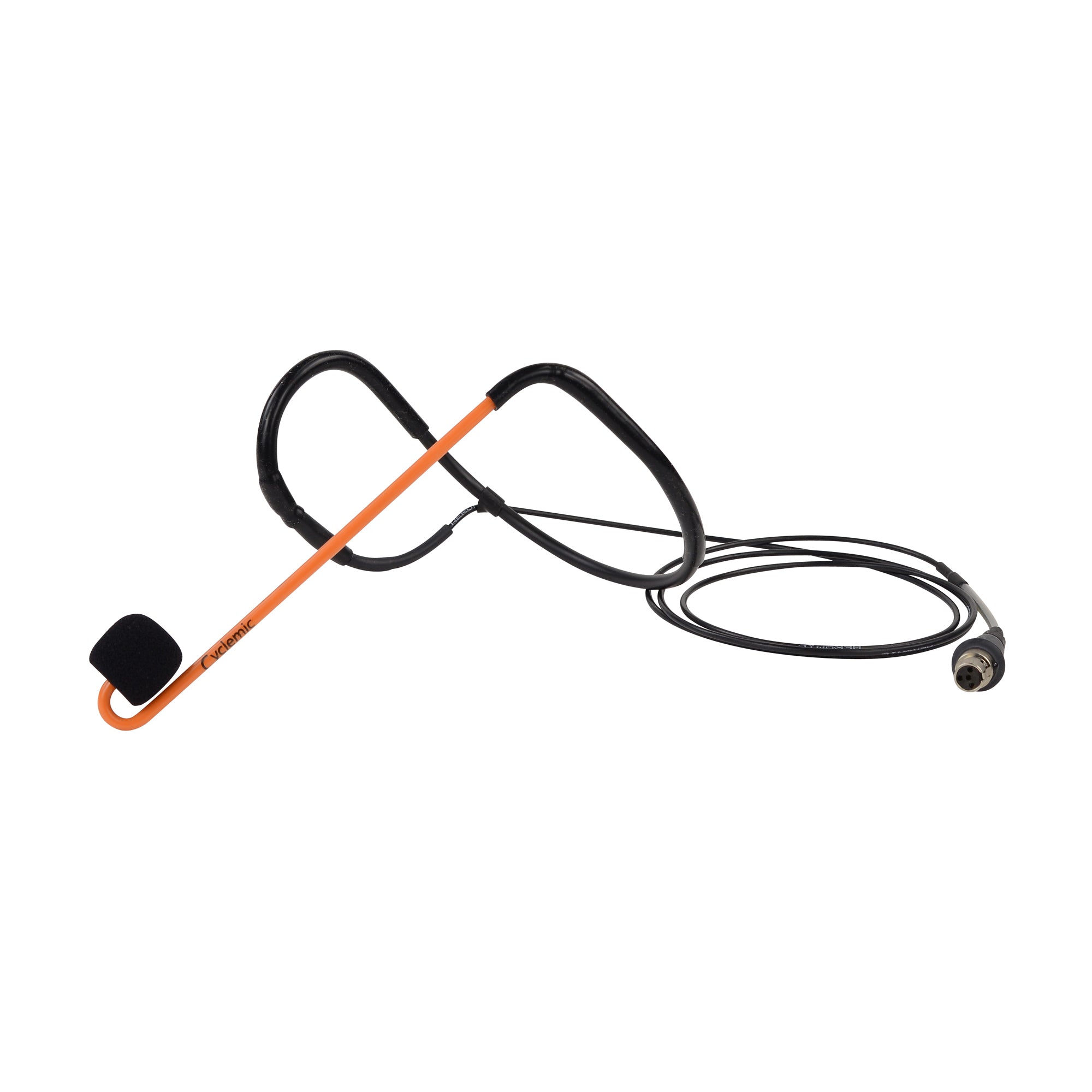
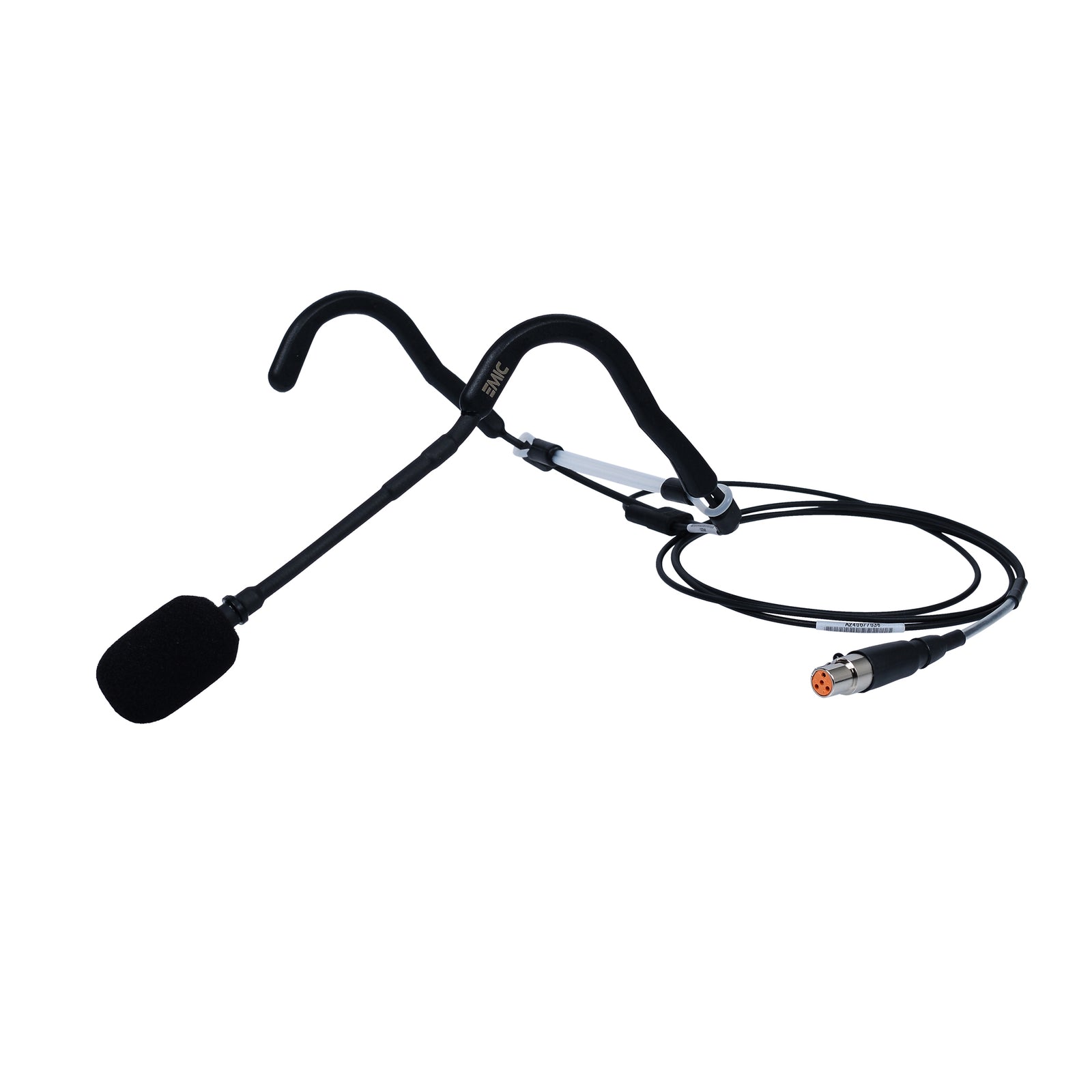
Microphone Choice: Headset microphones, such as Fitness Audio’s Aeromic, provide hands-free, reliable audio. Wireless options give instructors freedom to demonstrate exercises while keeping voices audible over background noise.
-
Speaker Placement: Proper positioning distributes sound evenly, reduces echoes, and prevents over-amplification. Directional speakers can focus audio to class areas while limiting noise spillover.
Implementing Noise Management Strategies
Noise control should be incorporated both in gym design and through retrofitting:
-
Design Considerations: Acoustic panels, floating floors, and layout planning help contain noise and prevent interference between zones. Weight areas can be isolated from quieter spaces like yoga or Pilates studios.
-
Retrofit Solutions: Existing gyms can add panels, baffles, or enclosures around noisy machines to reduce reverberation. Addressing wall and ceiling transmission may require additional insulation.
-
Ongoing Management: Monitor sound levels, adjust audio during classes, and provide guidance on headphone or earplug use. Maintaining equipment and ventilation reduces mechanical noise and ensures consistent performance.
Protecting Hearing and Enhancing Safety
High sound levels can cause long-term hearing damage for both staff and members. By controlling audio, gyms can:
-
Safeguard hearing health.
-
Reduce miscommunication and prevent injuries.
-
Create a more enjoyable and professional environment.
Staff training is also vital. Instructors should know how to use microphones effectively, maintain safe volume levels, and communicate clearly with participants to prevent accidents.
Fitness Audio provides durable, high-quality audio solutions for gyms and studios, including microphones, PA systems, and stereos. We offer expert guidance on speaker placement and microphone selection to ensure clear communication and minimise noise risks. Whether for a boutique studio or large fitness centre, our solutions help create a safer, more enjoyable workout environment.
Contact Fitness Audio today to optimise your gym’s sound and enhance member experience.